How the AI Boom Will Drive Stock Market Resilience in 2026
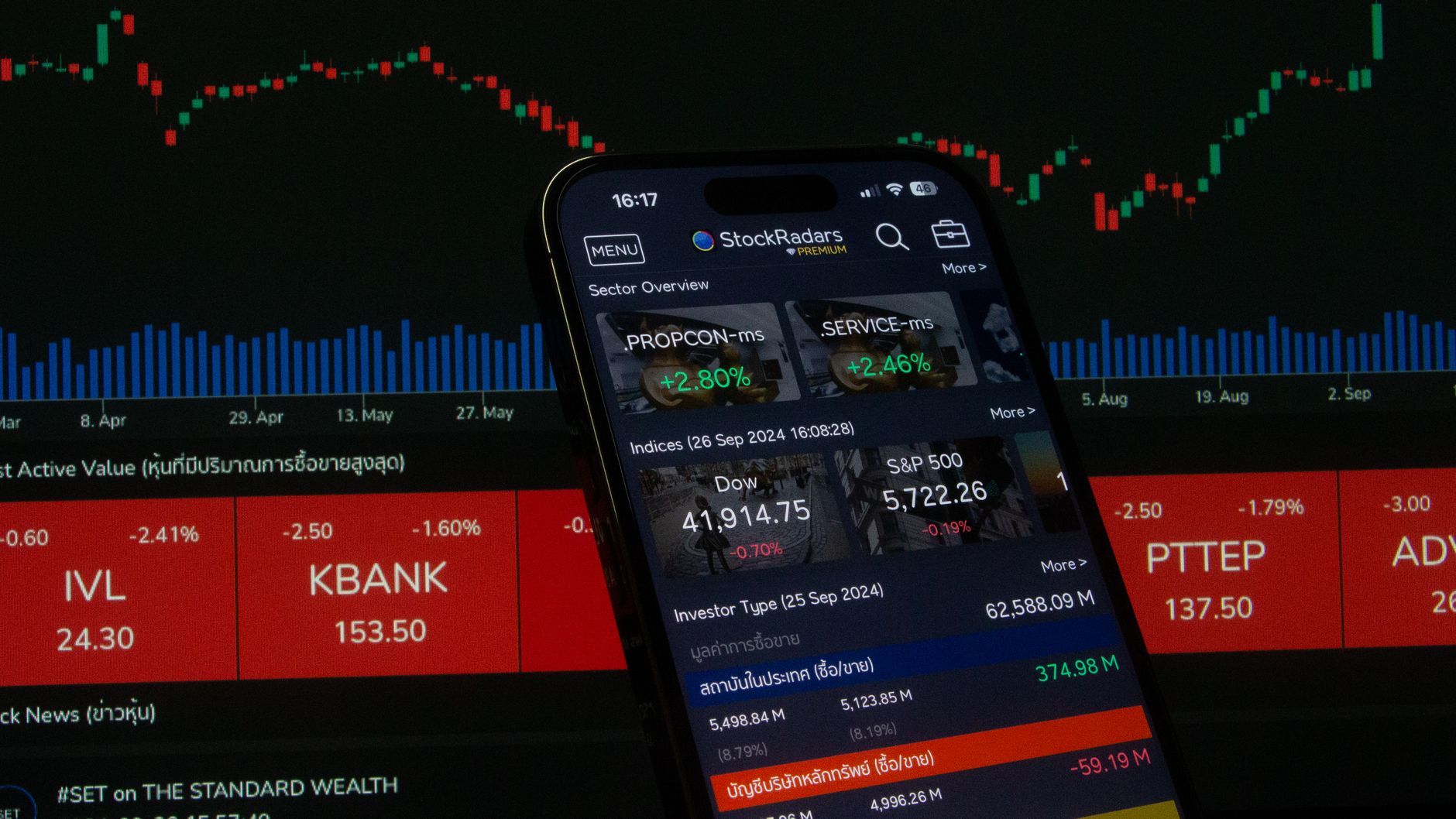
As the financial world grapples with inflation and a cautious Federal Reserve, the narrative around the stock market is shifting. JPMorgan Chase & Co.’s asset management division, led by David Kelly, is advocating for investors to remain committed to equities and other high-risk assets. This perspective is powered by the expectation of a burgeoning artificial intelligence (AI) investment boom that, according to their analysis, will bolster market expansion in the latter half of 2026. Amidst economic headwinds, the resilience of consumers and the transformative capacity of AI are set to redefine investment strategies.
Key Takeaways
- JPMorgan’s David Kelly emphasizes the potential of the AI sector to rejuvenate stock market growth despite economic uncertainty.
- Consumer resilience is highlighted as a key factor supporting sustained market expansion.
- The Federal Reserve's stance on interest rates will continue to influence investor confidence.
- Investment in technology, particularly AI, is expected to yield substantial returns in the coming months.
- Strategic allocation to high-risk assets may be crucial for navigating the evolving market landscape.
Understanding the Current Market Landscape
The current economic landscape presents a complex picture. On one hand, persistent inflation has kept the Federal Reserve on its toes, forcing policymakers to tread carefully with interest rate adjustments. On the other hand, we are witnessing significant advancements in AI technology that are beginning to permeate various sectors, reshaping businesses and consumer interactions alike. The juxtaposition of these elements creates an intriguing environment for investors.
According to Kelly, the anticipated surge in AI investments is not merely a fleeting trend but a transformative wave that could redefine productivity and profitability for companies across industries. As businesses adapt and integrate AI solutions into their operations, the potential for enhanced efficiency and cost reduction could lead to improved earnings, catalyzing a stock market rally.
Why This Matters
The implications of JPMorgan’s outlook extend beyond mere investment strategy; they reflect a fundamental shift in how economies may operate in the near future. If the AI boom materializes as predicted, it could lead to a substantial reallocation of capital. Investors who heed this advice may capitalize on the growth potential of AI-driven companies, reinforcing the notion that high-risk assets can yield significant rewards.
Furthermore, the resilience of consumers amidst inflationary pressures plays a crucial role. If consumer spending holds strong, it will provide the necessary support for businesses to thrive, thereby sustaining their stock prices. The feedback loop between consumer confidence, corporate performance, and stock market health is vital and cannot be understated.
Background and Context
Historically, technological advancements have been pivotal in driving economic growth. The dot-com bubble of the late 1990s, for instance, showcased how burgeoning technology sectors could yield massive stock market gains, even in the face of economic instability. We are now witnessing a similar paradigm shift with AI, which is poised to revolutionize various sectors, from healthcare to finance, retail, and beyond.
The current AI landscape is characterized by rapid innovation, with companies investing heavily in research and development to harness AI's capabilities. Reports indicate that global spending on AI technologies is projected to exceed $500 billion by 2026, a significant increase from previous years. This influx of investment is indicative of a broader trend where organizations are recognizing AI not just as a tool but as a driver of strategic advantage.
Expert Analysis
David Kelly’s insights reflect a broader consensus among financial analysts: AI is not just another tech trend; it is a foundational shift that could lead to sustained economic expansion. The notion of using AI to enhance business operations, improve customer engagement, and drive innovation is increasingly becoming mainstream. Companies that effectively leverage AI technology are likely to outperform their peers, making it imperative for investors to identify and support these forward-thinking organizations.
Moreover, the interplay between AI advancements and consumer behavior is profound. As AI-driven solutions enhance user experiences, they can stimulate demand and drive sales, creating a virtuous cycle that benefits both businesses and investors. For instance, AI chatbots and personalized marketing strategies can lead to better customer retention and higher conversion rates. Such dynamics reinforce the potential for growth in stock prices, as companies that adapt to these changes will likely see their valuations rise.
What This Means for Investors and the Market
For investors, the implications of JPMorgan’s analysis are multifaceted. Firstly, there is a compelling argument for reallocating portfolios to include a greater proportion of AI and technology stocks. As companies continue to innovate and integrate AI into their operations, those that are early adopters or leaders in this space may experience substantial growth.
Secondly, investors should consider the long-term trajectory of their investments. While the stock market can be volatile, the underlying trends driven by AI adoption suggest that significant opportunities exist for those willing to navigate the risks. This requires a keen understanding of which sectors are poised for disruption and which companies are at the forefront of this transformation.
Frequently Asked Questions
What role does consumer behavior play in stock market performance?
Consumer behavior is critical as it directly impacts corporate earnings. When consumers are confident and spending, businesses tend to perform better, driving stock prices higher.
How can investors identify promising AI stocks?
Investors should look for companies investing in AI technologies, demonstrating clear use cases for their applications, and showing growth potential through innovation and market leadership.
What are the risks associated with investing in AI stocks?
Investing in AI stocks can be risky due to market volatility, competition, and the uncertain regulatory environment surrounding AI technologies. Investors should conduct thorough research and consider diversification strategies.
Is now a good time to invest in high-risk assets?
According to JPMorgan, the time is opportune for investing in high-risk assets, especially in light of the expected AI boom. However, individual risk tolerance and investment goals should always be considered.
The Road Ahead
Looking forward, the intersection of AI technology and investment strategy will likely gain increasing prominence. As businesses continue to adapt to AI innovations, the stock market will respond to these shifts, creating opportunities for savvy investors. The outlook for the second half of 2026 is particularly bright, fueled by anticipated advancements in AI and a resilient consumer base.
In conclusion, as the AI revolution unfolds, investors must remain vigilant, informed, and adaptable. The potential rewards are significant, but so are the challenges. By understanding the dynamics at play and positioning themselves strategically, investors can navigate the complexities of the market and capitalize on the opportunities presented by the AI boom.