AI Accelerates China's Factory Robot Expansion into New Sectors
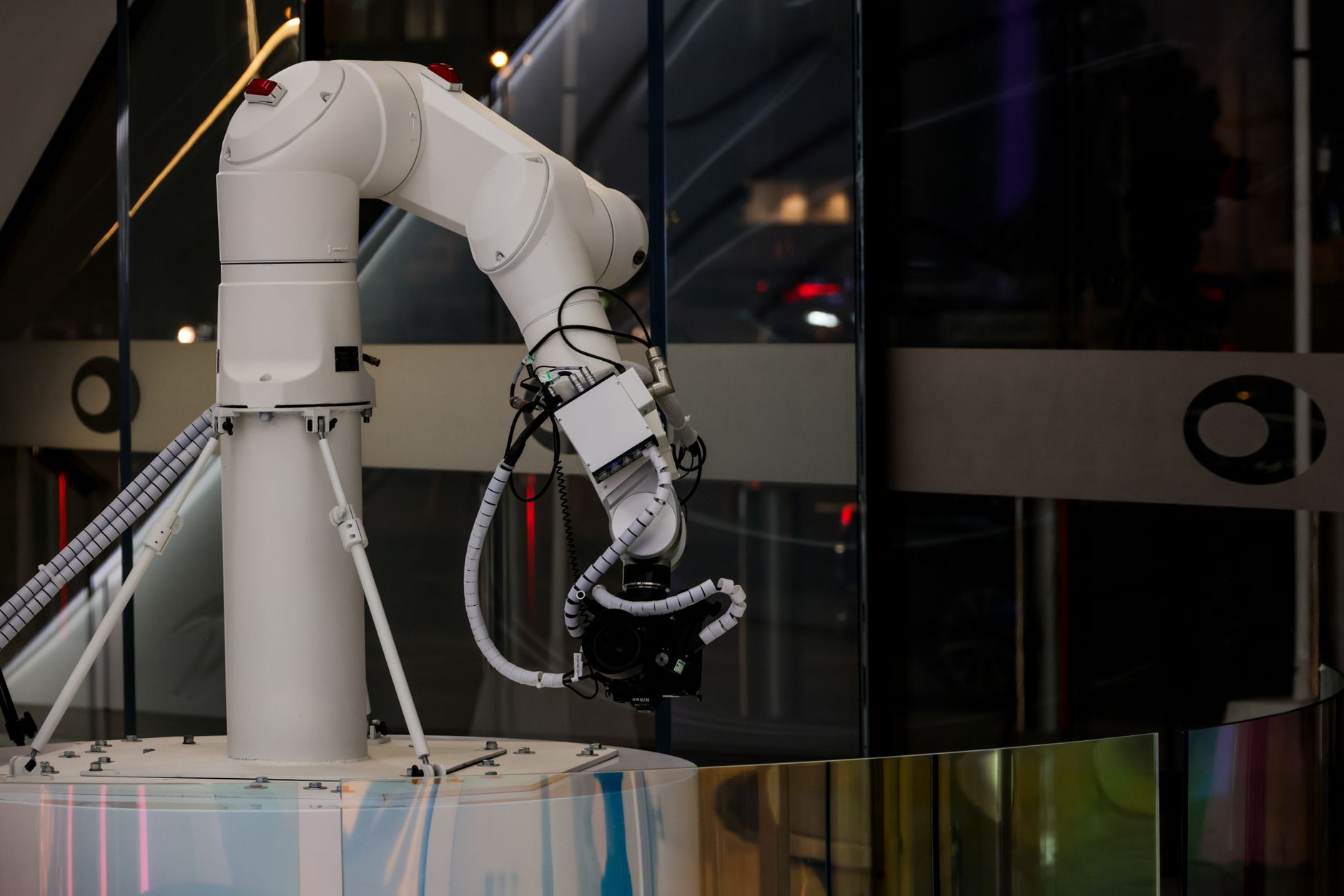
As the world grapples with the challenges of economic recovery and industrial innovation, China stands at the forefront of a technological revolution. Artificial intelligence (AI) is not just reshaping the tech landscape but is also propelling the integration of robotics into traditional manufacturing sectors, creating ripples of change that extend far beyond the factory wall. This article delves into how AI is facilitating the rapid deployment of factory robots across various industries in China, exploring the implications for the global economy, labor markets, and future technological advancements.
Key Takeaways
- AI is significantly boosting the efficiency and capabilities of factory robots in China.
- Traditional industries such as textiles, food processing, and agriculture are increasingly adopting robotic automation.
- The integration of AI in robotics is leading to smarter, more adaptable systems capable of performing complex tasks.
- China's push for automation is driven by labor shortages and a desire for higher productivity.
- The global implications of China's robotic advancements may reshape supply chains and manufacturing dynamics worldwide.
AI and the Rise of Robotics in Chinese Manufacturing
Recent advancements in artificial intelligence have catalyzed a significant transformation in China's manufacturing landscape. Traditionally dominated by low-cost labor, industries such as textiles, food processing, and agriculture are now witnessing a surge in the adoption of robotics, thanks to AI's ability to enhance operational efficiency. Manufacturers are increasingly leveraging AI to improve the performance of robots, enabling them to handle tasks that were previously deemed too complex or nuanced for machines.
Reports indicate that the integration of AI technologies is not merely a trend but rather a fundamental shift. Companies are investing heavily in AI-driven solutions that allow robots to learn from their environments, adapt to varying conditions, and execute tasks with a level of precision that was once unattainable. For instance, robots equipped with computer vision systems can now identify defects in products during the manufacturing process, reducing waste and improving quality control.
This shift towards automation is driven by several factors, including a tightening labor market in China. With the country experiencing a demographic transition characterized by an aging workforce, manufacturers are compelled to seek out technological solutions to fill gaps and maintain productivity levels. The pandemic has further exacerbated these challenges, prompting companies to accelerate their digital transformation strategies and invest in AI-powered automation.
Why This Matters
The implications of AI-driven robotics in China extend beyond the factory floor. As traditional industries embrace automation, there is a potential for significant economic disruption, reshaping labor markets and global supply chains. The proliferation of smart robots is likely to lead to a decline in demand for low-skilled workers, particularly in sectors that have relied heavily on manual labor. This raises important questions about workforce training and the future of employment in these industries.
Furthermore, China’s aggressive push towards automation could redefine its competitive advantage in global manufacturing. As Chinese companies become more efficient and productive, they may be able to offer lower prices and faster turnaround times, potentially displacing competitors in other countries. This scenario could lead to a realignment of manufacturing bases, with countries that are slow to adopt automation finding themselves at a disadvantage.
The shift towards robotic automation also raises ethical and social considerations. As job displacement occurs, there is a need for governments and businesses to address the potential consequences for workers who may find themselves without viable employment options. The challenge will be to balance technological advancement with social responsibility, ensuring that the workforce is equipped with the necessary skills to adapt to an increasingly automated economy.
Background and Context
The concept of automation in manufacturing is not new; however, the integration of AI into this equation marks a pivotal moment in industrial history. Historically, manufacturing processes were heavily reliant on human labor, especially in developing economies like China. The introduction of robotics began in the late 20th century but faced limitations in terms of flexibility and intelligence.
In recent years, advancements in machine learning, computer vision, and natural language processing have transformed the capabilities of robots. AI enables machines to process vast amounts of data, learn from experiences, and make decisions in real time. This evolution has opened new avenues for the deployment of robots, particularly in industries that require adaptability and precision.
China has recognized the importance of AI and automation as key drivers of economic growth. The government has set ambitious goals to become a global leader in AI by 2030, which includes the widespread adoption of robotics across various sectors. Initiatives such as the "Made in China 2025" plan emphasize the need to upgrade industrial capabilities and enhance the use of intelligent manufacturing technologies.
Expert Analysis
The expansion of AI-powered robotics into traditional sectors in China represents both an opportunity and a challenge. On one hand, the ability to automate complex tasks can lead to significant productivity gains and economic growth. For instance, in the food processing industry, robots can handle everything from sorting and packaging to quality inspection, enhancing overall efficiency. This not only reduces costs but also allows companies to meet increasing consumer demands for quality and consistency.
On the other hand, the rapid pace of automation raises concerns about economic inequality and job displacement. As robots take over roles traditionally held by humans, there is a risk of exacerbating existing disparities in the labor market. Low-skilled workers may struggle to find new employment opportunities, necessitating comprehensive retraining programs to equip them for the jobs of the future. This presents a challenge for policymakers who must respond to the social implications of automation while fostering an environment that encourages innovation.
Moreover, the integration of AI in robotics also has implications for safety and reliability. As robots become more autonomous, ensuring their safe interaction with human workers is paramount. This requires rigorous testing and regulation to mitigate risks associated with machine failures or errors. Companies must prioritize safety standards and invest in training for human workers to ensure a harmonious workplace where both humans and robots can coexist productively.
What This Means for Industries, Users, and Developers
The rise of AI-driven robotics in China carries important implications for various stakeholders, including industries, users, and developers. For industries, particularly those in manufacturing and logistics, embracing automation is no longer an option but a necessity to remain competitive. Companies that adopt AI-powered robotics can expect to see enhanced productivity, reduced operational costs, and improved product quality.
For users, particularly consumers, the increased efficiency brought by robot automation can lead to lower prices and higher quality products. As manufacturers streamline their operations, consumers may benefit from better goods and services, along with faster delivery times. This shift could also lead to the creation of new products and services driven by the capabilities of advanced robotics.
Developers and tech companies stand to gain from this trend as well. The demand for AI-powered solutions and automation technologies is likely to surge, creating opportunities for innovation and collaboration. Companies that specialize in AI, machine learning, and robotics will play a crucial role in shaping the future of manufacturing, providing the tools and expertise needed to implement these technologies successfully.
Frequently Asked Questions
1. How is AI changing traditional manufacturing industries in China?
AI is enabling the adoption of robotics in traditional manufacturing by enhancing the capabilities of machines, allowing them to perform complex tasks, learn from their environments, and improve efficiency. This transition is particularly evident in sectors such as textiles, food processing, and agriculture.
2. What are the implications of automation for the workforce in China?
The rise of automation may lead to job displacement, particularly for low-skilled workers. As robots take over manual tasks, there will be a need for comprehensive retraining programs to help workers transition to new roles that require different skill sets.
3. How can companies ensure the safe integration of robots in the workplace?
Companies must prioritize safety by implementing rigorous testing and regulation for autonomous systems, alongside training programs for human workers to ensure safe interaction between humans and robots.
4. What opportunities does AI-powered robotics present for developers?
Developers have the chance to create innovative AI and automation solutions, as demand for these technologies continues to grow. Companies specializing in robotics, machine learning, and AI will be integral to advancing the manufacturing sector.
The Road Ahead
The future of manufacturing in China, increasingly intertwined with AI-driven robotics, is poised for profound transformation. As industries continue to adopt automation technologies, the landscape will evolve, leading to new business models and operational strategies. Companies that embrace this change will not only enhance their competitiveness but will also shape the future of global manufacturing.
However, navigating the complexities of this transition will require a concerted effort from all stakeholders. Policymakers, businesses, and educational institutions must collaborate to address the challenges posed by automation, ensuring that the workforce is prepared for the jobs of tomorrow. The successful integration of AI in traditional industries will depend on a balanced approach that fosters innovation while safeguarding social equity and economic stability.