The Complex Role of AI in Mental Health: Navigating Opinions
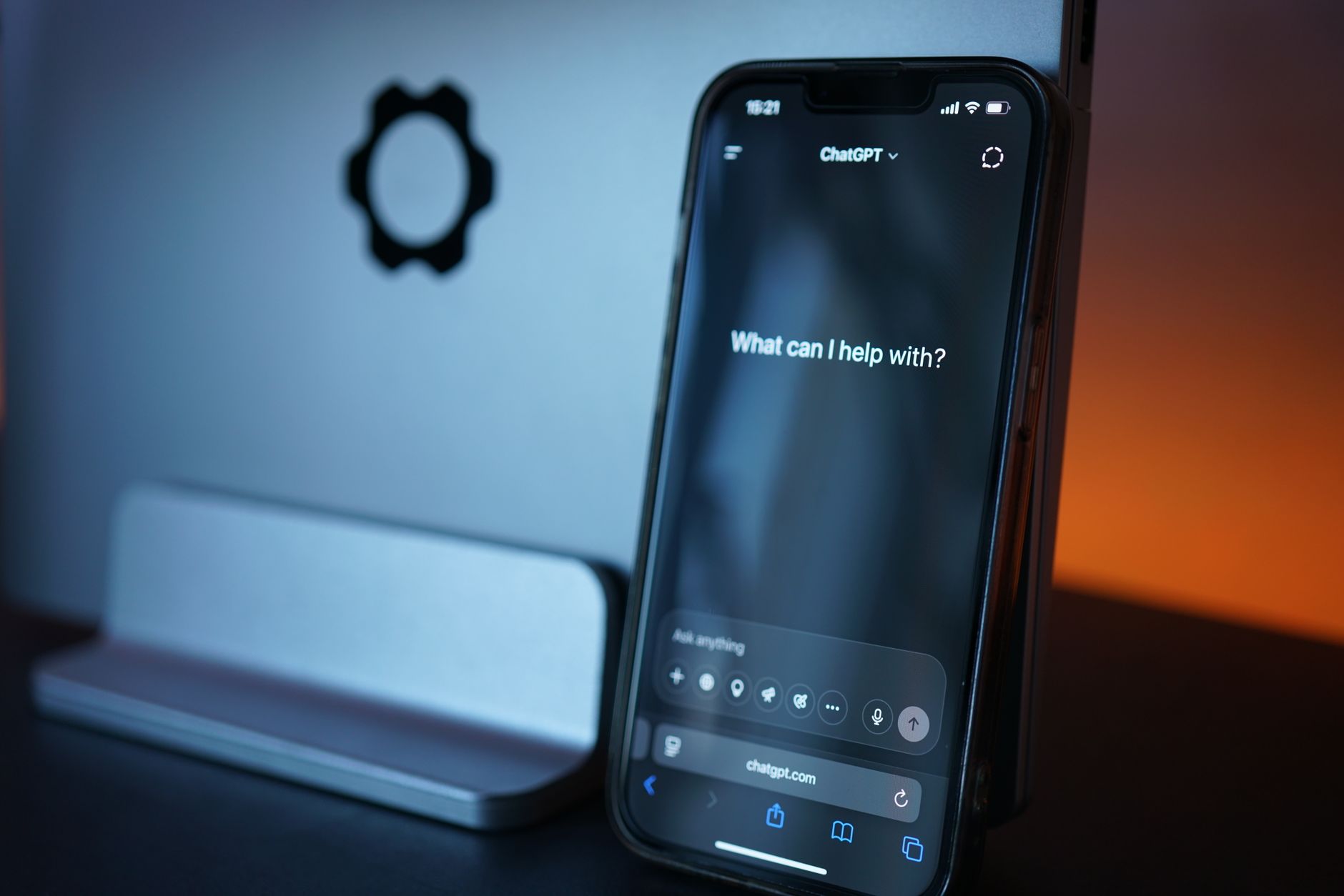
The integration of artificial intelligence (AI) in mental health care is creating a rift in public opinion, particularly among younger generations. Recent data reveals that approximately two-thirds of individuals aged 25 to 34 have turned to chatbots for support related to their wellbeing. This trend highlights a growing reliance on technology for mental health assistance but also raises critical questions about the effectiveness and ethical implications of such solutions.
Key Takeaways
- Two-thirds of individuals aged 25-34 have used chatbots for mental health support.
- The use of AI in mental health care is polarizing, with mixed opinions on efficacy.
- Concerns exist about the emotional and ethical implications of relying on AI for personal issues.
- Potential benefits include accessibility and reduced stigma around seeking help.
- Understanding the balance between human empathy and AI assistance is crucial for future developments.
Understanding the Current Landscape
The rise of AI-driven chatbots in mental health care represents a significant shift in how individuals seek support for their emotional and psychological needs. With a considerable segment of the population, particularly those in the 25 to 34 age bracket, actively engaging with these digital tools, it's clear that technology is reshaping the landscape of mental health services.
According to a recent report, two-thirds of young adults have sought assistance from chatbots when experiencing mental health challenges. This statistic is not merely a number; it indicates a profound change in attitudes toward mental health, where traditional barriers to seeking help are being dismantled. No longer is the conversation limited to therapist's offices; instead, it is increasingly taking place in the realm of AI.
This shift is both encouraging and concerning. On the one hand, AI offers immediate access to resources at all hours, providing a level of anonymity that many individuals find comforting. On the other hand, the question of whether these AI systems can genuinely replicate the human empathy and understanding essential in mental health support looms large.
Why This Matters
The implications of using AI for mental health care are broad and multifaceted. As technology continues to advance, the potential for AI to provide support in mental health cannot be overlooked. By offering 24/7 accessibility, AI chatbots can cater to individuals who might otherwise feel uncomfortable seeking help due to stigma or other barriers. This increased accessibility can lead to earlier intervention and potentially better outcomes for those struggling with mental health issues.
However, the reliance on AI tools also raises significant concerns regarding the quality of support provided. Mental health is inherently complex, often requiring a nuanced understanding of human emotions and experiences. While AI can process data and respond to queries, it lacks the emotional resonance that a human therapist can offer. The potential for miscommunication and misunderstanding in AI interactions may lead to inappropriate or ineffective guidance for users.
Background and Context
The use of technology in mental health has been on the rise for years, with teletherapy and online support groups becoming increasingly common. AI chatbots represent the latest evolution in this trend, leveraging advanced algorithms and machine learning to provide immediate responses to users. These systems have been designed to analyze user input, predict emotional states, and offer relevant resources or coping strategies.
Historically, mental health treatment has faced challenges related to accessibility, affordability, and stigma. Many individuals who might benefit from professional help do not seek it due to financial constraints or fear of judgment. AI offers a potential solution to these issues, providing a low-cost alternative that can be accessed privately. However, as we embrace these new technologies, it is essential to consider the ethical implications and the need for professional oversight in their use.
Expert Analysis
As mental health care continues to evolve in the digital age, it is crucial to analyze the implications of AI's role in this space critically. AI chatbots are particularly appealing for their ability to provide immediate support, yet the question remains: Can they replace the nuanced understanding of a human therapist?
Experts in psychology emphasize that while chatbots can offer basic coping strategies or immediate assistance, they are not a substitute for comprehensive mental health care. Human therapists are trained to navigate the complexities of emotional distress, recognizing that each individual's experience is unique. The subtleties of tone, body language, and emotional context are often lost in AI interactions, potentially leading to misunderstandings and ineffective support.
Additionally, there are concerns about data privacy and the ethical use of information collected by AI systems. Users may not fully understand how their data is being used or the implications of sharing sensitive information with a chatbot. As such, establishing guidelines and regulations around AI use in mental health care will be essential to protect users' rights and ensure ethical practices.
What This Means for Users and Developers
The implications of AI in mental health care extend beyond just the technology itself; they touch upon users' emotional experiences and developers' responsibilities. For users, the rise of AI chatbots presents an opportunity to access support in a way that feels comfortable and non-threatening. Many individuals may feel more inclined to seek help from a chatbot than a human, particularly if they are experiencing stigma or fear of judgment.
For developers, the challenge lies in creating AI systems that can genuinely support users without compromising their emotional needs. This includes investing in training AI systems to recognize and respond appropriately to emotional cues and ensuring that they direct users to professional help when necessary. Collaboration between mental health professionals and AI developers will be crucial in creating systems that are not only effective but also ethical and responsible.
Frequently Asked Questions
What are the benefits of using AI chatbots for mental health support?
AI chatbots can provide immediate access to support, offering anonymity and reducing barriers to seeking help. They can also be available 24/7, allowing users to seek assistance whenever they need it.
Can AI replace human therapists in mental health care?
While AI can offer basic coping strategies and immediate responses, it cannot replicate the nuanced understanding and emotional intelligence that human therapists possess. Human connection is vital in mental health care, and AI should be seen as a supplementary tool rather than a replacement.
What ethical concerns are associated with AI in mental health?
There are several ethical concerns, including data privacy, the potential for miscommunication, and the lack of oversight in AI interactions. Users must be informed about how their data is used and understand the limitations of AI support.
How can developers ensure the effectiveness of AI mental health tools?
Developers can collaborate with mental health professionals to create AI systems that are informed by psychological principles and best practices. Continuous monitoring and improvement based on user feedback will also be essential for effectiveness.
The Road Ahead
As we look towards the future, the role of AI in mental health care will undoubtedly continue to evolve. The increasing reliance on digital tools for emotional support reflects broader societal shifts in how we understand and address mental health. It is essential that industry stakeholders remain vigilant in balancing innovation with ethical considerations to ensure that AI serves as a beneficial resource rather than a detrimental one.
Ultimately, the key will be creating a collaborative ecosystem where AI enhances human care rather than replaces it. By integrating AI technology with traditional mental health practices, we can create a future where individuals have more accessible options for support while still benefiting from the insight and empathy of trained professionals.