Apple's Bold Leap into AI Photo Editing: A New Era of Creativity
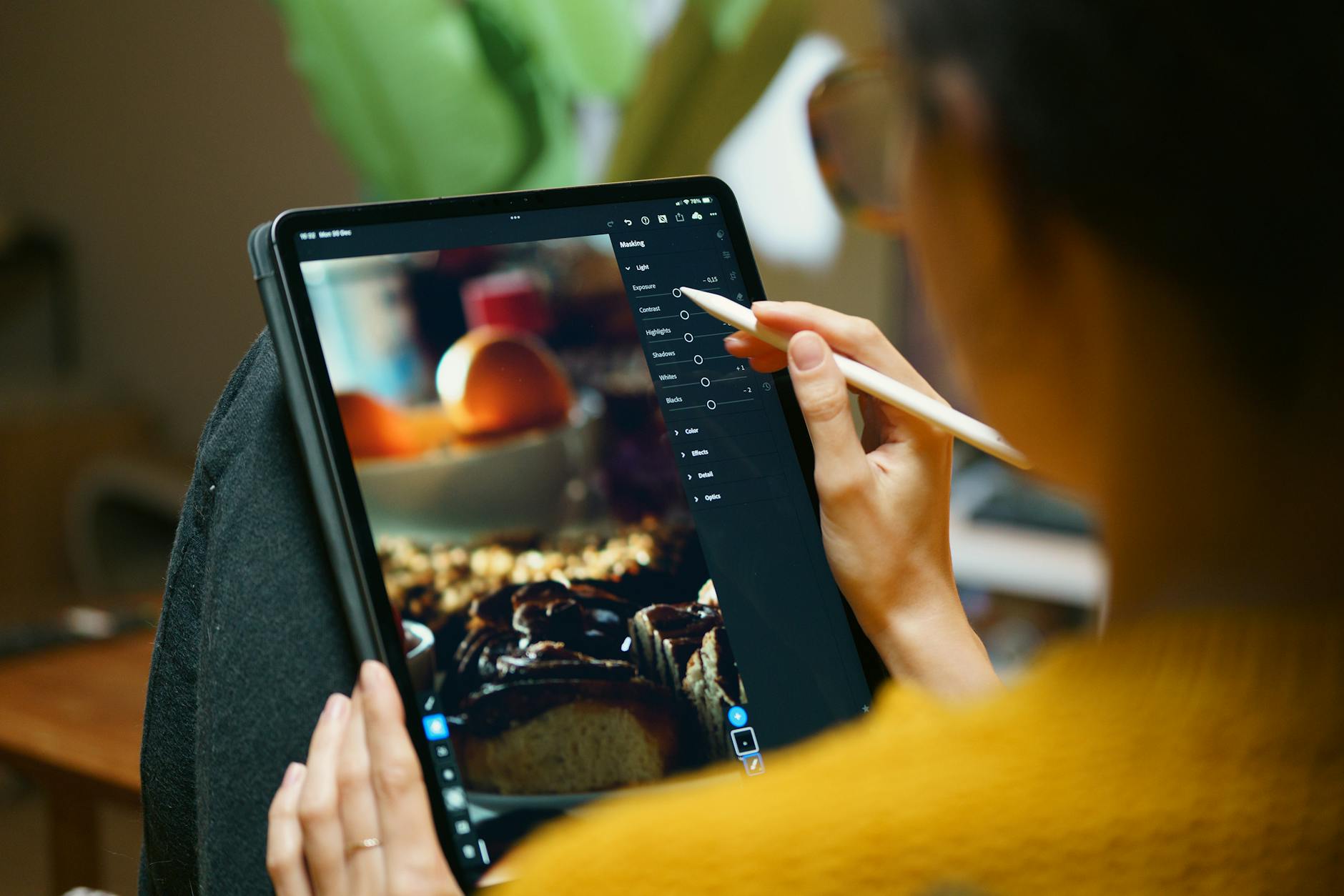
Apple has taken a bold leap into the world of AI-powered photo editing, unveiling a suite of tools that will transform how users interact with their images. Once hesitant about the implications of generative AI, the tech giant now seems ready to embrace a new reality—one where creativity and manipulation take precedence over factual representation. As Apple fans and tech enthusiasts digest this shift, the implications for photography, digital content creation, and the nature of reality itself are profound.
Key Takeaways
- Apple has introduced AI-driven photo editing tools at WWDC 2026, moving beyond its previous skepticism.
- These tools allow users to easily manipulate photographic images, raising ethical questions about authenticity.
- Generative AI will enable features like deepfakes, potentially blurring the line between reality and fiction.
- The move could fundamentally change how individuals and brands approach visual storytelling.
- Apple's pivot reflects a broader industry trend towards embracing AI capabilities in creative applications.
Apple's New AI Photo Editing Tools
At the recent WWDC 2026, Apple unveiled an array of AI-powered photo editing tools that promise to reshape user experiences in digital imaging. This strategic shift marks a significant departure from the company’s prior hesitation to integrate generative AI into its product offerings. Historically, Apple expressed concerns about the ethical implications of AI, particularly regarding how it might distort perceptions of reality.
Now, the company seems poised to rewrite the rules of engagement in photography. The newly announced tools integrate advanced machine learning capabilities, allowing users to edit images with unprecedented ease and creativity. Features may include automatic object removal, style transfer, and even the ability to generate entirely new backgrounds or elements within a photograph. This makes it possible for users to create intricate visuals without requiring advanced skills in graphic design.
This transformation will undoubtedly attract both amateur photographers and professional creatives who seek to enhance their visual storytelling capabilities. As Apple continues to develop these tools, it becomes increasingly clear that the company is embracing a future where the manipulation of images is not only accepted but celebrated.
Why This Matters
The implications of Apple’s new AI photo editing tools extend far beyond individual user experiences. This shift signifies a larger trend within the tech industry where the lines between reality and manipulated images are increasingly blurred. Through these tools, Apple is effectively suggesting that photographs need not be mere representations of reality; they can also be vehicles of creativity and imagination.
This philosophy invites a host of ethical considerations. As users gain the ability to create deepfakes and other altered images with minimal effort, the potential for misuse becomes a pressing concern. While the technology can be harnessed for positive, creative purposes—such as storytelling, marketing, and art—there is also a risk that it could be exploited to spread misinformation or create deceptive content.
Moreover, Apple’s move may influence other tech giants to accelerate their own AI initiatives in the realm of visual content creation. Companies like Google, Adobe, and Microsoft are likely to respond by enhancing their AI capabilities, leading to a more competitive landscape where consumers will have access to a wider array of advanced editing tools.
Background and Context
Apple’s entry into AI photo editing is not an isolated event; it is part of a broader trajectory in the tech industry. In recent years, advancements in artificial intelligence have revolutionized how we perceive and interact with digital content. Technologies such as deep learning and neural networks have enabled unprecedented levels of automation and sophistication in image manipulation.
Historically, Apple has been reticent about embracing technologies that could alter perceptions of reality. This stemmed from a commitment to maintaining the integrity of its products and user experiences. However, as AI technologies have matured and become more accessible, the utility and demand for such features have grown. The evolution of consumer expectations, particularly among younger generations who value creativity and personalization, has likely played a role in Apple’s decision to embrace generative AI.
Expert Analysis
From an analytical perspective, Apple’s embrace of AI in photo editing raises several crucial questions regarding the nature of creativity and authenticity. While the introduction of these tools empowers users to express themselves more freely, it also challenges the traditional paradigms of photography as a medium that captures reality. The idea that a photograph can be a manipulated representation of an imagined scene might redefine what it means to create art in the digital age.
Furthermore, the democratization of advanced editing capabilities could lead to a surge in content creation. With powerful tools in the hands of everyday users, we may witness an explosion of creativity across social media platforms and other digital spaces. This shift could alter how brands, influencers, and artists approach visual storytelling, potentially leading to a new era of marketing and communication strategies.
Nevertheless, the potential for misuse remains a significant concern. As deepfake technology becomes more accessible, the risk of creating misleading or harmful content grows. Educating users about the ethical implications of their creations will be critical in ensuring that these tools are used responsibly. The balance between fostering creativity and maintaining accountability will be a delicate one for Apple and the broader tech community.
What This Means for Users and Developers
For users, Apple’s AI-driven photo editing tools represent an exciting opportunity to enhance their creative workflows. Amateur photographers can create professional-quality images with ease, while professionals can streamline their editing processes, allowing more time for creative exploration. The immediate practicality of these tools positions Apple favorably in the increasingly competitive landscape of digital content creation.
Developers will also need to adapt to this evolving environment. As Apple rolls out these features, third-party app developers may seek to integrate their solutions with Apple’s toolkit, leading to innovative applications and workflows. This collaborative approach could foster an ecosystem where creators benefit from a diverse range of tools that enhance their capabilities.
Moreover, as the demand for AI-powered creativity grows, educational resources and platforms will need to evolve. Individuals looking to harness these new tools will seek guidance on best practices, ethical considerations, and technical skills. This presents an opportunity for educational institutions and online platforms to offer courses and certifications that empower users to navigate this new landscape effectively.
Frequently Asked Questions
What are Apple’s new AI photo editing tools?
Apple’s new AI photo editing tools, announced at WWDC 2026, use advanced machine learning to allow users to easily manipulate photos, including features like automatic object removal and style transfer.
How will these tools affect traditional photography?
The introduction of AI tools may shift the focus from capturing reality to creating imaginative visuals, fundamentally altering how photography is perceived and practiced.
What are the ethical implications of using AI in photo editing?
The ability to create deepfakes and manipulate images raises concerns about misinformation and authenticity, necessitating a careful balance between creativity and responsibility.
How can users learn to use these new tools effectively?
As these tools roll out, users can seek educational resources, online courses, and community forums to learn best practices and ethical guidelines for responsible use.
The Road Ahead
Looking forward, Apple’s pivot towards AI in photo editing could herald a new era of visual creativity. As the tools are integrated into the iOS ecosystem, users will likely explore innovative ways to utilize these capabilities, leading to a renaissance in digital content creation. The potential for collaboration between users, brands, and developers will foster a vibrant community of creativity.
However, as this landscape evolves, it will be essential to address the ethical challenges that arise. Balancing innovation with accountability will be crucial for ensuring that the power of AI is harnessed for positive outcomes. As users embrace these new tools, ongoing discussions about the implications of digital manipulation will shape the future of photography and visual storytelling.