China's Industrial Profit Decline Signals Economic Challenges Ahead
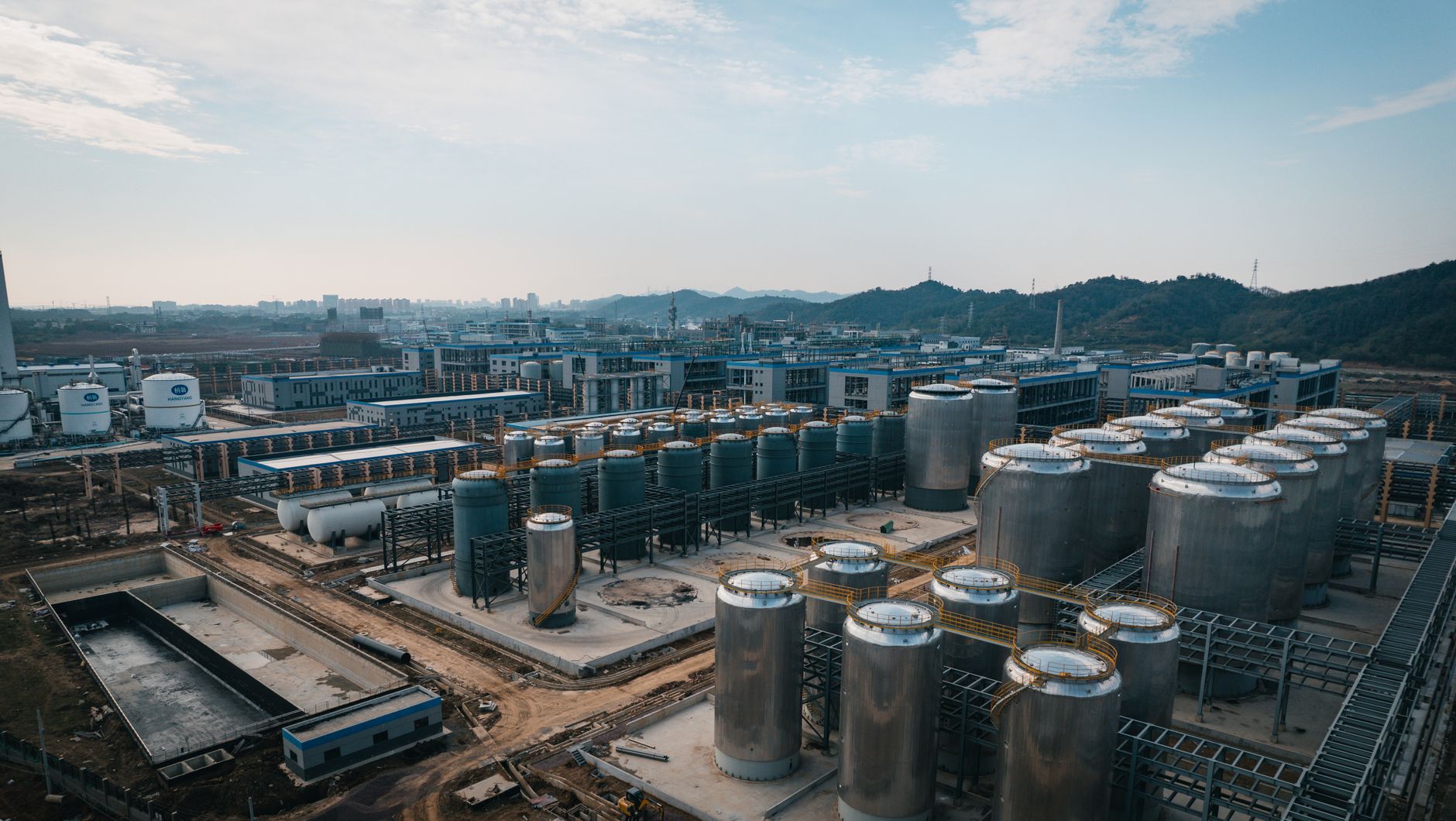
In a worrying indication of economic fragility, China's industrial profits have shown a significant slowdown, marking the first decline since November. This trend suggests that while the country may have seen boosts from exports and rising prices, these factors were insufficient to counterbalance the impacts of weakening domestic demand. As the world’s second-largest economy grapples with these challenges, the implications for both local and global markets are profound.
Key Takeaways
- China's industrial profits have declined for the first time in over six months.
- The slowdown is attributed to a combination of weakening domestic demand and insufficient export gains.
- Industrial sectors reliant on domestic consumption are particularly vulnerable.
- These economic indicators may affect global supply chains and trade dynamics.
- The situation reflects broader challenges in China’s post-pandemic recovery.
Understanding the Recent Decline in Industrial Profits
The latest figures from China's National Bureau of Statistics reveal a dip in industrial profit growth, causing alarm among economists and investors alike. This decline marks the first slowdown since November and indicates an ongoing trend where domestic demand is failing to keep pace with the aspirations of the economy. As businesses and consumers reel from the impacts of fluctuating market conditions, the repercussions are being felt across various sectors.
China's industrial profits rose by just 2.5% in May compared to the previous year, a notable drop from the 5.1% growth reported in April. This shift raises questions about the sustainability of the country's economic recovery, particularly as the world begins to adjust to a post-pandemic landscape. While exports have historically been a strong driver of growth in China, the current economic environment suggests that reliance on foreign markets alone is becoming increasingly precarious.
The interplay between domestic consumption and industrial performance is critical. As consumer confidence wanes and spending dips, industries that depend heavily on domestic demand are likely to face significant challenges. This pattern has the potential to create a ripple effect, impacting employment, production rates, and overall economic stability.
Why This Matters
The implications of declining industrial profits extend far beyond China's borders. As the country continues to be a central player in global supply chains, any signs of economic weakness can have profound effects on international markets. A slowdown in China's industrial sector could signal potential disruptions in the availability of goods and materials for countries around the world, leading to inflationary pressures and further economic uncertainty.
Moreover, this downturn may compel the Chinese government to consider implementing policy measures aimed at stimulating domestic demand. Such interventions could reshape the economic landscape, leading to increased government spending or incentives aimed at bolstering consumer confidence. In this scenario, the effectiveness of these measures will be paramount, as they will determine whether China can navigate its way back to robust economic growth or whether it will continue to struggle in the face of a shifting global environment.
Background and Context
China's economy has undergone significant transformations over the past few decades, transitioning from a largely export-driven model to one that increasingly emphasizes domestic consumption. This shift was accelerated by the COVID-19 pandemic, which forced the country to rethink its economic strategies in light of global supply chain disruptions.
Historically, China’s reliance on exports has provided a buffer against domestic economic fluctuations. However, as the global economy evolves, the importance of domestic demand has become more pronounced. The recent decline in industrial profits indicates that businesses may not be adapting quickly enough to this shift, signaling potential vulnerabilities in the economy.
Expert Analysis
Experts argue that the decline in industrial profits is a critical indicator of underlying economic issues. The manufacturing sector, which has long been a pillar of China's economic strength, is facing headwinds as demand for goods falters. The data suggests that while companies have managed to maintain profitability through price increases, these gains are not sustainable without a corresponding increase in sales volume.
Furthermore, the ongoing geopolitical tensions and trade disputes have complicated China’s economic outlook. With countries like the United States imposing tariffs and restrictions on Chinese goods, the export-driven growth model faces significant challenges. As a result, many analysts believe that China must accelerate its transition towards a more consumption-oriented economy to achieve sustainable long-term growth.
The implications of these dynamics are profound. If domestic demand continues to weaken, industries that are heavily reliant on consumer spending—such as retail and services—will likely face increased competition and pressure to innovate. This could result in a cycle of layoffs and reduced investment, further exacerbating the economic slowdown.
What This Means for Businesses and Consumers
For businesses operating in China, the decline in industrial profits serves as a wake-up call. Companies must reassess their strategies to ensure they are not overly reliant on export revenues, especially as global markets become more uncertain. Diversification into sectors that cater to domestic consumers may be essential for survival in this evolving landscape.
For consumers, the implications are equally significant. As businesses tighten their belts in response to declining profits, consumers may face higher prices and reduced choices in the marketplace. Additionally, if economic conditions do not improve, consumers may experience job insecurity, which could further dampen spending and exacerbate the economic downturn.
Frequently Asked Questions
What factors contributed to the decline in China's industrial profits?
The decline is primarily due to weakening domestic demand and insufficient export gains. While exports showed strength, they were not enough to offset the drop in local consumption, which is critical for sustained economic growth.
How does this impact global supply chains?
China plays a central role in global supply chains, so a decline in industrial profits could lead to disruptions in the availability of goods and materials, potentially causing inflation and uncertainty in other countries.
What actions might the Chinese government take in response?
The government may implement policies aimed at stimulating domestic demand, such as increasing public spending or providing incentives to consumers and businesses to encourage spending and investment.
Are there any sectors that may benefit from this decline?
Sectors that focus on innovation and technology may find opportunities for growth as companies seek to diversify and adapt to changing consumer preferences. Additionally, firms that can pivot to serve domestic consumers may also fare better in the current economic climate.
The Road Ahead
Looking forward, China’s economic trajectory will depend significantly on how policymakers and businesses respond to the current challenges. A renewed focus on boosting domestic demand could prove pivotal in stabilizing the economy, but the effectiveness of these measures will be critical. As businesses adapt to changing market conditions, consumer confidence will need to be restored to ensure sustainable economic growth.
For global markets, keeping a close eye on China’s economic indicators will be essential. Any deterioration in China’s industrial performance could signal broader implications for international trade dynamics and supply chain stability. Stakeholders must remain vigilant as the situation evolves, ready to adapt to the changing landscape of one of the world’s largest economies.