China's Industrial Profit Gains Slip, Highlighting Economic Weakness
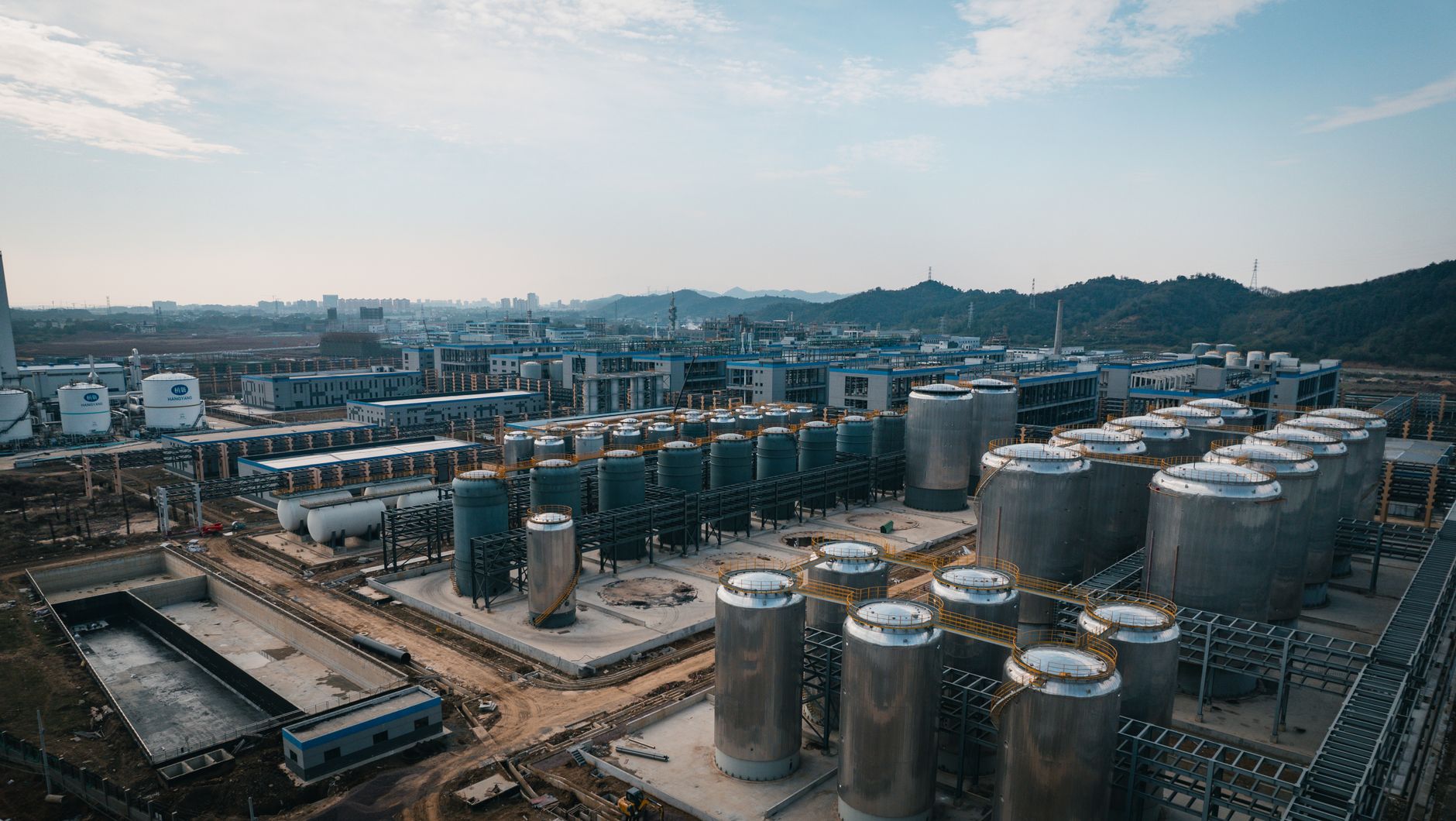
China's economy is at a pivotal juncture as industrial profits show their first signs of decline since late last year, raising concerns about the underlying health of the nation's economic recovery. This development not only affects local businesses and workers but also reverberates through global supply chains and markets. As traditional drivers of growth like exports and price increases are no longer sufficient to maintain momentum, the implications of this shift demand a closer examination.
Key Takeaways
- China's industrial profits saw a decline for the first time since November, indicating economic fragility.
- The drop suggests that strong export performance and price gains are failing to offset weak domestic demand.
- Investment in infrastructure and industries faced obstacles, contributing to the decline.
- These trends raise questions about the effectiveness of government policies aimed at stimulating growth.
- The international ramifications could affect global markets and supply chains reliant on Chinese manufacturing.
Understanding the Current Situation
The recent report indicating a decline in China’s industrial profits marks a significant moment in the context of the country's post-pandemic recovery. Since November, China had enjoyed a consistent rise in industrial profits, largely attributed to robust exports and price increases. However, the latest figures reveal that these gains are faltering, suggesting that the domestic market is not keeping pace with external demand. This discrepancy is crucial as it highlights the dual nature of China's economic landscape: while the global market may be performing well, internal dynamics are proving to be a challenging hurdle.
In detail, the industrial profit growth rate softened noticeably, with analysts pointing to tepid domestic demand as the primary culprit. The manufacturing sector, which is often viewed as a bellwether for the broader economy, is experiencing headwinds that could hinder recovery efforts. This situation raises alarms about the sustainability of growth driven by external factors alone, as the domestic market must also be robust to support a balanced economy.
Why This Matters
The implications of dipping industrial profits extend far beyond mere numbers on a report. For one, this trend signals a potential slowdown in China's economic growth, which has long been a critical engine for global expansion. A weakening industrial sector could lead to reduced investment and hiring, impacting millions of workers and further dampening consumer confidence. As the largest manufacturing hub in the world, China’s economic stability is integral to many countries that rely on its production capabilities.
Moreover, if domestic demand continues to lag, the Chinese government faces increased pressure to implement effective policy measures. Investors and analysts will be watching closely to see if Beijing can pivot its strategy to stimulate local consumption. Without a robust domestic market, the risks of over-reliance on export-driven growth remain pronounced, creating vulnerabilities in the face of global economic shifts.
Background and Context
Historically, China's economic growth has been characterized by rapid industrialization and strong export performance. The country has positioned itself as a vital player in global supply chains, with manufacturing and exports accounting for a significant portion of its GDP. In the wake of the COVID-19 pandemic, many anticipated a swift recovery spurred by pent-up demand and a reopening economy.
However, challenges have emerged, including supply chain disruptions, rising production costs, and changes in consumer behavior. The government's previous efforts to transition towards a consumption-driven economy are still in the early stages, with structural reforms taking time to implement. As a result, the industrial sector's ability to generate consistent profits is increasingly come into question, revealing the complexities of China's economic landscape.
Expert Analysis
Several factors contribute to the recent downturn in industrial profits. First, the enthusiasm for exports, although robust, is not sufficient to offset the declining domestic demand. As foreign markets face their own economic challenges, including inflationary pressures, demand for Chinese goods may decrease. Furthermore, the rising cost of raw materials and labor has significantly impacted profit margins, forcing manufacturers to either absorb costs or pass them onto consumers, which could further dampen local consumption.
Additionally, the government's approach to managing economic growth has been scrutinized. Strategies aimed at stimulating investment and consumption have not yet yielded the desired results. The focus on infrastructure projects, while beneficial in theory, may not resonate with consumers who are more concerned with immediate financial stability than long-term investments. This disconnect between government initiatives and consumer behavior represents a critical challenge that policymakers must address.
What This Means for Businesses and Consumers
For businesses operating in China, the dip in industrial profits signals a need for strategic reassessment. Companies may need to pivot away from dependency on export markets and focus on enhancing domestic sales. This could involve diversifying product lines that appeal to local consumers, investing in marketing, or adjusting pricing strategies to remain competitive.
Consumers, on the other hand, may feel the effects of reduced industrial profitability in various ways. If companies face lower profit margins, they might cut costs by reducing wages or limiting hiring, which could stifle consumer spending further. Conversely, businesses that adapt to the changing economic landscape may find new opportunities for growth, particularly by aligning products and services with evolving consumer preferences.
Frequently Asked Questions
What are the main reasons for the decline in China’s industrial profits?
The decline can be attributed to weak domestic demand, rising production costs, and the inability of export gains to compensate for the sluggish local market.
How does this dip in industrial profits affect the global economy?
As the world's largest manufacturing hub, a slowdown in China's industrial profits may lead to reduced supply and increased prices for goods globally, affecting multiple industries reliant on Chinese production.
What measures can the Chinese government take to stimulate growth?
The government can implement policies aimed at boosting domestic consumption, such as increasing consumer confidence through financial incentives, improving social safety nets, and investing in sectors that stimulate demand.
What sectors are most impacted by the slowing industrial profits?
Sectors that rely heavily on exports, such as electronics and textiles, may experience greater volatility, while those catering to domestic markets, like food and consumer goods, may show resilience depending on their adaptability.
The Road Ahead
Looking forward, the trajectory of China’s industrial profits will significantly depend on how well the government and businesses can address the underlying issues affecting domestic demand. A concerted effort to stimulate consumption could bolster economic stability, but this will require innovative strategies that resonate with consumers.
As global economic conditions continue to evolve, China must navigate these challenges with agility. The reliance on export growth cannot be overstated, but as we have seen, a balanced approach that nurtures domestic consumption will be critical to achieving sustainable growth. The coming months will be instrumental in determining whether China's economic policies can adapt to foster a more resilient industrial sector.