Europe's Creative Search for AI Stocks: Banks and Power Suppliers
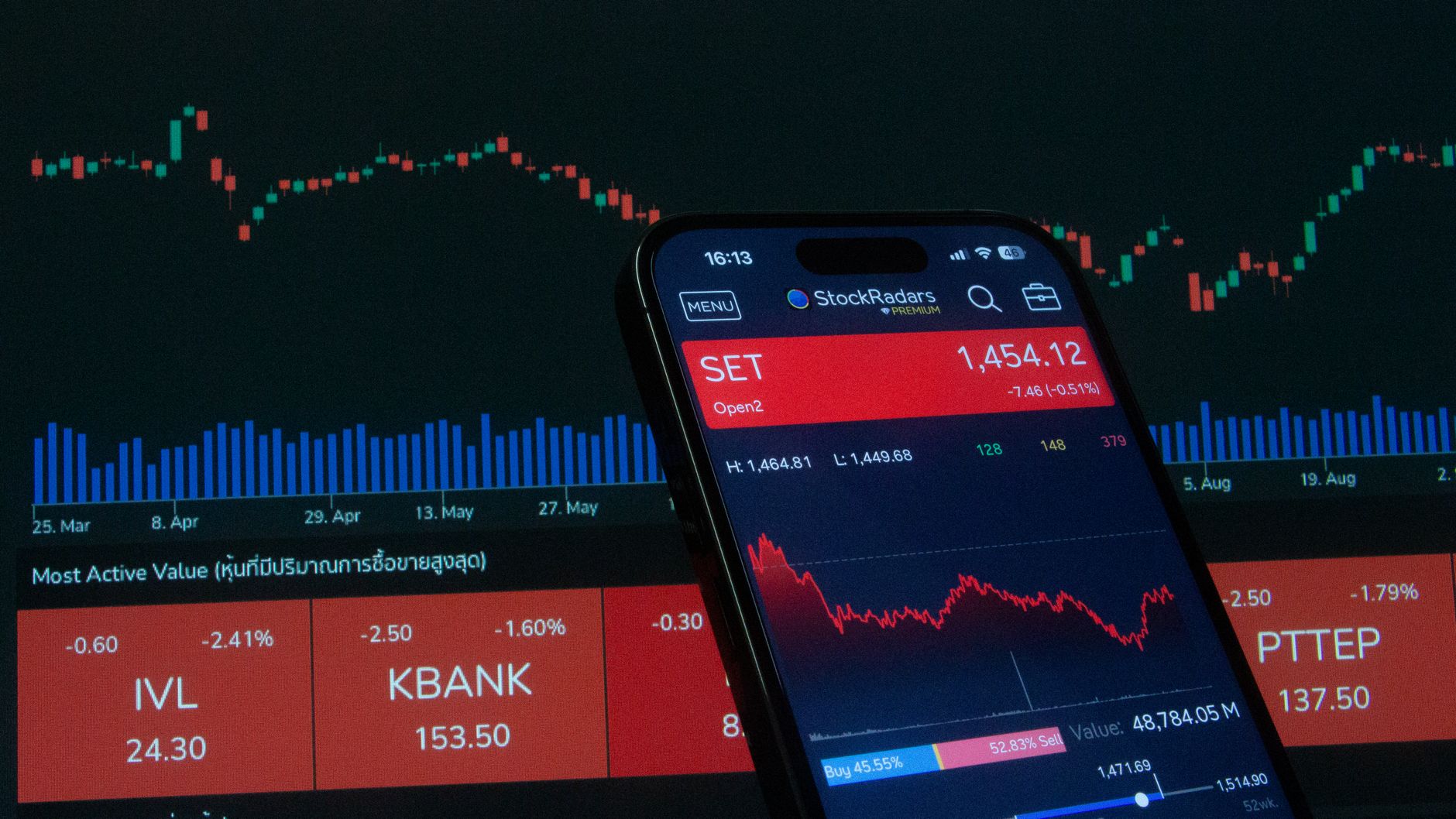
As artificial intelligence (AI) continues to transform various industries, European investors are becoming increasingly creative in their pursuit of AI-related stocks. With traditional tech stocks becoming more expensive, the search has led to an unexpected focus on sectors like energy and finance – specifically power suppliers and banks. This shift reflects a broader trend where investors are looking beyond the usual suspects in AI to find companies that can leverage or benefit from this transformative technology.
Key Takeaways
- European investors are diversifying their portfolios by targeting sectors indirectly connected to AI.
- The rising costs of traditional AI stocks prompt a search for less obvious opportunities.
- Power suppliers and banks are emerging as attractive investments due to their roles in supporting AI infrastructure.
- This trend signifies a maturation of the AI market in Europe, with investors becoming more strategic.
- The potential for AI to drive efficiency and innovation in traditional sectors is gaining recognition.
Understanding the Current Landscape
As of mid-2026, the European investment landscape is undergoing significant changes driven by the AI boom. With tech giants like NVIDIA and Alphabet commanding high valuations, investors are feeling the heat to find profitable avenues in an increasingly competitive market. The inflating prices of these traditional AI stocks have led investors to pivot their strategies, seeking sectors that may indirectly benefit from AI advancements. This transitional phase highlights a growing recognition that AI is not only a tech phenomenon but also a catalyst for change across multiple industries.
Power suppliers, for instance, are emerging as critical players in the AI ecosystem. As the demand for AI technologies increases, so does the need for robust energy sources to power data centers and computational resources essential for AI training and operations. In Europe, where energy markets are evolving rapidly due to geopolitical factors and a push towards sustainability, the intersection of energy supply and AI presents a unique investment opportunity.
Simultaneously, banks are being reevaluated through the lens of AI's transformative potential. Financial institutions are leveraging AI to enhance customer service, streamline operations, and reduce risks. As banks integrate AI into their systems, they not only improve their efficiency but also position themselves as beneficiaries of the broader AI trend, making them attractive to savvy investors.
Why This Matters
This shift in investment strategy carries profound implications for the European market and the global perception of AI. By looking beyond traditional AI stocks, investors are acknowledging that the technology's impact will ripple through various sectors, creating a more interconnected economy. This diversification of investment also reflects a maturation of the AI market itself. It underscores a growing understanding that AI will not merely be a standalone industry but will influence and enhance existing sectors.
The focus on power suppliers raises questions about energy consumption and sustainability as AI technologies proliferate. Investors must consider how the increased energy demands of AI infrastructure will affect global energy markets and policies. This dynamic could lead to innovations in energy efficiency and alternatives, further accelerating the transition to greener energy sources.
Furthermore, the pivot to banks as beneficiaries of AI signals a new era of fintech evolution. As banks increasingly adopt AI-driven solutions, they can offer more personalized services and products, potentially reshaping consumer experiences and expectations in finance. The implications of these changes extend to regulatory considerations, as the integration of AI in banking presents new challenges and opportunities for compliance.
Background and Context
The European investment landscape has long been characterized by a cautious approach to technology stocks, often lagging behind the US in terms of aggressive investments in innovation. However, the advent of AI has catalyzed a shift in this paradigm. In recent years, European companies have been making significant strides in AI research and application, supported by government initiatives and funding. The European Commission has advocated for a digital single market, aiming to foster innovation and position Europe as a global leader in AI.
This backdrop sets the stage for the current trend of seeking AI exposure through unconventional means. The rise of AI has led to increased awareness of its applications across various sectors, prompting investors to rethink their portfolios. This mindset shift is crucial, as it allows investors to capitalize on the broader economic implications of AI rather than solely focusing on tech-centric firms.
Expert Analysis
From an analytical perspective, the shift toward power suppliers and banks as AI investments reflects a strategic response to market dynamics. The traditional view of AI as confined to tech companies is evolving as the technology matures and its applications expand. This evolution prompts a reconsideration of what constitutes an AI stock. For example, energy companies that invest in renewable technologies and smart grids are becoming pivotal in supporting the AI ecosystem, aligning with global sustainability goals and creating a resilient energy infrastructure.
Similarly, banks adopting AI are not just enhancing their internal operations; they are also reshaping customer interactions and financial products. AI-driven insights and automation can lead to significant cost reductions and improved risk management. As banks embed AI in their core operations, they may realize substantial competitive advantages, potentially driving stock performance in a market that values innovation and efficiency.
Investors must also be vigilant about potential risks associated with these sectors. The energy market's volatility, driven by regulatory changes and geopolitical tensions, can affect power suppliers' performance. Additionally, banks face regulatory scrutiny regarding data privacy and ethical AI usage. Therefore, a nuanced understanding of these sectors is critical for investors looking to capitalize on the AI trend without succumbing to potential pitfalls.
What This Means for Investors
For investors, the current trend of seeking AI exposure through power suppliers and banks presents both opportunities and challenges. The diversification into less obvious sectors reflects a strategic shift towards a holistic understanding of how AI influences various industries. This approach encourages investors to think critically about the implications of AI beyond the tech sector.
Practically, investors should consider the following takeaways: 1. **Research and Diversification**: Conduct thorough research on companies in the energy and financial sectors that are making significant strides in AI integration. Look for firms that are innovating and adapting to technological changes while maintaining strong fundamentals. 2. **Sustainability Focus**: Prioritize investments in companies that align with sustainability goals, particularly in the energy sector. As AI drives energy consumption, companies that invest in renewable energy and efficiency will likely be better positioned for long-term growth. 3. **Regulatory Awareness**: Stay informed about regulatory changes impacting the banking and energy sectors. Understanding how regulations influence AI adoption and operational practices is essential for making informed investment decisions. 4. **Long-term Perspective**: Embrace a long-term investment strategy that accounts for the evolving nature of AI and its impact on traditional sectors. Short-term fluctuations may occur, but the broader trends indicate substantial growth potential across various industries.
Frequently Asked Questions
Why are investors focusing on power suppliers and banks for AI exposure?
Investors are increasingly recognizing that AI's impact extends beyond tech companies, influencing sectors like energy and finance. Power suppliers are crucial for supporting AI infrastructure, while banks leverage AI to enhance operations and customer experiences.
How does AI affect the energy sector?
AI can optimize energy production and distribution, improve predictive maintenance for equipment, and enhance energy efficiency. As AI technologies evolve, they create opportunities for power suppliers to innovate and adapt to changing market demands.
What risks should investors consider when investing in these sectors?
Investors should be aware of the volatility in energy markets influenced by geopolitical tensions, regulatory changes, and the challenges banks face with data privacy and ethical AI usage. Understanding these risks is crucial for informed decision-making.
What are the long-term implications of this investment trend?
The trend of seeking AI exposure through unconventional sectors signals a maturation of the investment landscape. It indicates a broader recognition of AI's transformative potential across industries, leading to innovation and strategic shifts in traditional sectors.
The Road Ahead
Looking ahead, the intersection of AI with traditional industries such as banking and energy will likely continue to evolve. As AI technologies become more integrated into the operational frameworks of these sectors, new investment opportunities will emerge. Companies that prioritize innovation and sustainability will be better positioned to thrive in this changing landscape.
Investors must remain agile and adaptive, continually reassessing their portfolios in light of technological advancements. The trend toward diversifying into power suppliers and banks reflects a growing understanding that the future of AI is not solely about tech firms. Instead, it encompasses a broader ecosystem that includes various sectors, driving efficiency and innovation across the economy. As this trend unfolds, both investors and companies will need to navigate the complexities of a rapidly changing market.