Market Reactions: Understanding the Predicted Fed Rate Hike by October
The financial markets are in a state of flux, as traders begin to adjust their strategies in anticipation of a possible interest rate hike by the Federal Reserve by October 2026. With market sentiment reacting swiftly to economic indicators, the implications of such a move are profound, not just for investors but for everyday consumers as well. This article delves deep into the potential consequences of these anticipated changes and offers insights into how different sectors may react.
Key Takeaways
- Traders are increasingly expecting the Federal Reserve to raise interest rates by October 2026.
- The anticipated hike stems from rising inflation and a robust employment market.
- Market sectors such as technology and consumer discretionary may experience volatility.
- Experts suggest that the impact of rate hikes will ripple through various layers of the economy.
- Investors are advised to reassess their portfolios in light of these evolving monetary policies.
Market Overview: What Happened
Recent reports from Bloomberg Television have highlighted a growing consensus among traders that the Federal Reserve is likely to increase interest rates by October 2026. This anticipation has led to fluctuations in stock prices, influencing trading strategies as investors scramble to align with the projected economic environment. Notably, discussions featuring key financial figures, including DoubleLine Capital's Ken Shinoda and former Federal Reserve Vice Chair Alan Blinder, have underscored the prevailing sentiment that inflationary pressures are compelling the Fed to act.
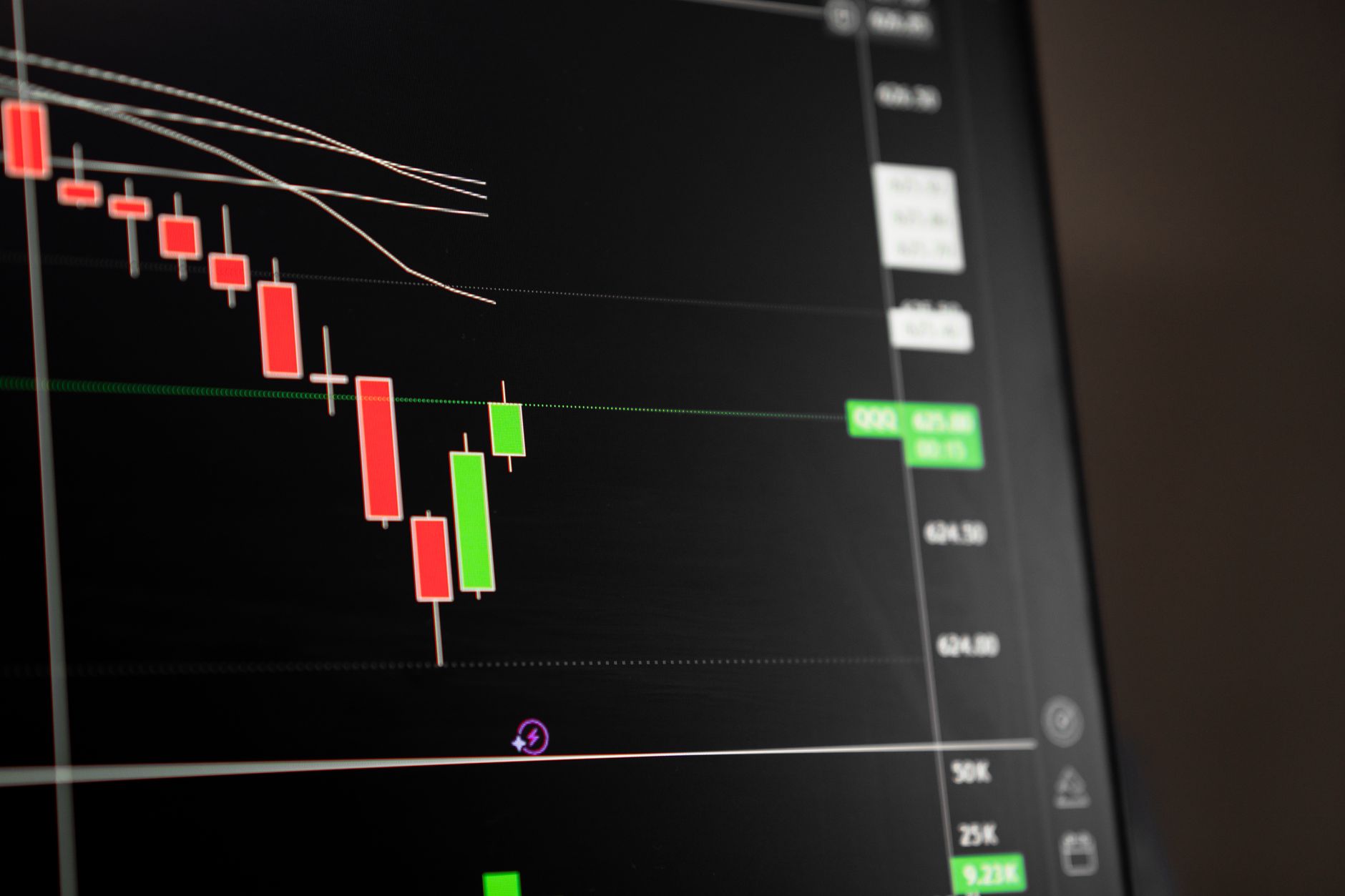
The stock market responded to these insights with an immediate downturn, reflecting heightened uncertainty among investors. The Conference Board’s Chief Economist Dana Peterson pointed to strong job growth and sustained consumer spending as critical factors contributing to the Fed's deliberations on rate hikes. This situation has triggered a re-evaluation of market dynamics, particularly in sectors sensitive to interest rate changes, leading many to question the resilience of the current economic recovery.
Why This Matters
The implications of a Federal Reserve interest rate increase extend far beyond Wall Street. For consumer-facing businesses, a rise in rates often translates to higher borrowing costs, which can curtail expansion and lead to reduced consumer spending. This creates a ripple effect that can impact everything from housing markets to retail sales.
Furthermore, as interest rates rise, the appeal of fixed-income investments grows, potentially diverting capital from equities to bonds. This shift can lead to increased volatility in the stock market as traders reassess their risk profiles and adjust their portfolios accordingly. The outcome of this scenario is particularly critical in the context of a post-pandemic economic recovery, where many sectors are still grappling with supply chain disruptions and labor shortages.
Background and Context
The Federal Reserve's mandate involves managing inflation and maximizing employment, two objectives that can sometimes conflict. Historically, the Fed has raised interest rates when inflation exceeds its target levels, often leading to increased borrowing costs and a cooling of economic activity. The last major rate hike cycle occurred in 2018, when the Fed increased rates multiple times, only to reverse course in 2019 amid signs of economic slowing.
Since then, the economic landscape has transformed significantly due to the COVID-19 pandemic. The Fed's aggressive monetary policy, including near-zero interest rates and quantitative easing, helped stabilize the economy but also contributed to inflationary pressures. As the economy has shown signs of recovery, with unemployment rates dropping and consumer confidence rebounding, the necessity for the Fed to reassess its monetary policy has grown.
Expert Analysis
As we approach the anticipated rate hike, several factors warrant close scrutiny. First, the interplay between inflation and employment data will be crucial. Inflation, driven by supply-chain bottlenecks and rising commodity prices, has consistently surpassed the Fed's 2% target. Experts argue that the Fed's decision-making process will depend heavily on whether inflation shows signs of moderation or continues to accelerate.
Additionally, the Fed's communication strategy plays a vital role in shaping market expectations. Any hint of a rate hike tends to provoke immediate market reactions, as seen in recent trading sessions. Understanding the nuances of the Fed's language and the potential for future guidance can provide investors with critical insights into market behavior.
Another significant aspect to consider is the global economic landscape. As central banks worldwide grapple with similar inflationary pressures, the Fed's actions may have far-reaching implications for international markets. Currency fluctuations, cross-border trade dynamics, and capital flows will be influenced by the Fed's rate decisions, thereby amplifying the importance of understanding these interconnections.
What This Means for Investors
For investors, the anticipation of a rate hike necessitates a strategic reassessment of portfolios. Growth stocks, particularly in the technology sector, may face headwinds as higher interest rates can reduce the present value of future earnings. Conversely, financial institutions, which typically benefit from rising rates via improved margins on loans, may present attractive investment opportunities.
Moreover, sectors such as real estate may experience volatility as potential homebuyers reevaluate their purchasing power in light of rising mortgage rates. The housing market, which has been a significant engine of economic growth, could cool if borrowing costs become prohibitive for prospective buyers.
Investors are advised to consider diversifying their portfolios to mitigate risks associated with potential market volatility. This could involve reallocating assets towards sectors that historically perform well during periods of rising interest rates, such as utilities or consumer staples, which tend to be less sensitive to economic cycles.
Frequently Asked Questions
1. What factors influence the Federal Reserve's decision to raise interest rates?
The Federal Reserve considers various economic indicators, including inflation rates, employment figures, and overall economic growth. If inflation consistently exceeds the target level, the Fed may opt to raise rates to stabilize prices.
2. How do interest rate hikes affect stock market performance?
Interest rate hikes can lead to increased borrowing costs for companies and consumers, often resulting in reduced spending and investment. This can create downward pressure on stock prices, particularly for growth-oriented sectors.
3. What should investors do in anticipation of a rate hike?
Investors are encouraged to reassess their portfolios, considering reallocating assets towards sectors that tend to perform well in a rising rate environment, such as financials, and reducing exposure to high-growth stocks that may suffer from increased borrowing costs.
4. How does the global economy impact the Fed’s decisions?
The Fed's decisions can be influenced by global economic conditions, as international markets react to U.S. rate changes. Factors such as currency fluctuations and trade dynamics can affect the U.S. economy and may prompt the Fed to adjust its policies accordingly.
The Road Ahead
Looking ahead, the landscape for investors and the broader economy will likely shift as the Federal Reserve moves towards raising interest rates. The timing and magnitude of these rate hikes will be pivotal in shaping market sentiment and economic conditions. Investors must remain vigilant and adaptive, continually reassessing their strategies in response to evolving economic signals.
Ultimately, understanding the underlying factors driving the Fed's decisions and their potential impact on various sectors will be crucial for navigating this transitional period. As the economic recovery progresses, the interplay between inflation, employment, and monetary policy will dictate the trajectory of financial markets, making it essential to stay informed and prepared for the challenges ahead.