Exploring Google’s Gemini Spark: A Game-Changer in AI Assistance
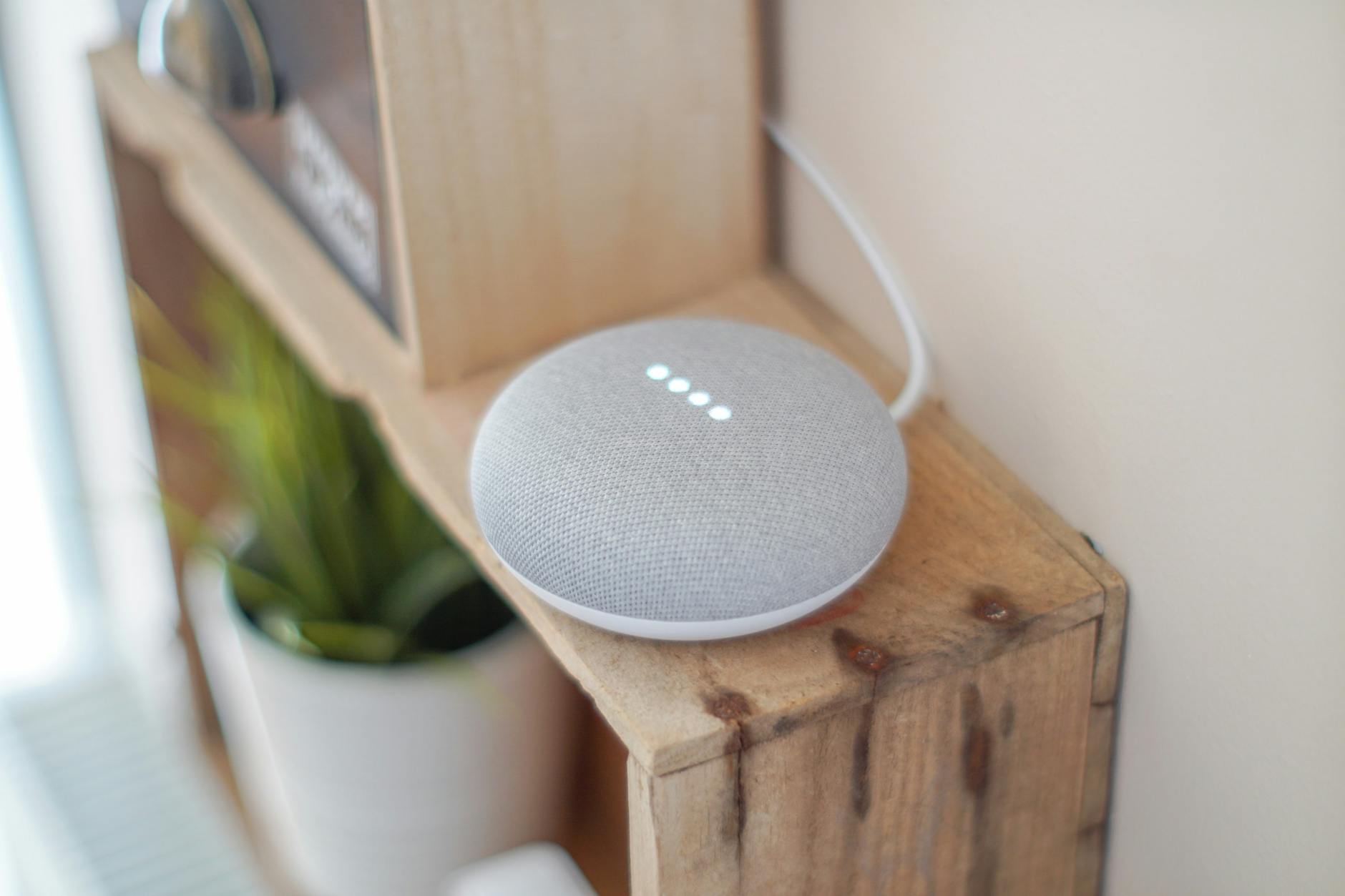
The launch of Google's Gemini Spark marks a significant milestone in the realm of personal AI assistants. By automating mundane tasks like email summaries and local event planning, it promises to enhance productivity in our daily lives. Yet, the rationale behind Google introducing Gemini Spark as a separate entity raises questions about its strategic direction and positioning in the crowded AI landscape.
Key Takeaways
- Gemini Spark automates various daily tasks, making it a useful tool for busy individuals.
- The assistant's features include inbox summaries and local event planning, showcasing its versatility.
- Despite its utility, the decision to launch Gemini Spark separately from existing Google services is puzzling.
- The introduction of Gemini Spark represents Google's ongoing commitment to integrating AI into everyday life.
- The effectiveness of Gemini Spark raises questions about the future of personal AI assistants and competition in the industry.
What Happened?
Google recently announced the launch of Gemini Spark, a 24/7 AI assistant designed to streamline everyday tasks for users. This new assistant is capable of providing inbox summaries, planning local events, and more, all through a user-friendly interface. The introduction of Gemini Spark follows a broader trend of AI integration in personal and professional settings, where the demand for efficient task management continues to grow.
During a hands-on trial, users reported that Gemini Spark indeed delivered on its promises, showcasing its ability to articulate tasks and provide timely reminders. The assistant’s design emphasizes accessibility and ease of use, making it appealing to a wide range of potential users, from busy professionals to students managing academic responsibilities. However, the decision to create Gemini Spark as a standalone product rather than integrating it into existing services like Google Assistant has elicited speculation about its long-term strategic goals.
Why This Matters
The introduction of Gemini Spark is emblematic of a larger shift within the tech industry, where companies are increasingly leveraging AI to enhance user experience and productivity. As the workforce evolves and individuals face an ever-increasing number of tasks and responsibilities, AI assistants like Gemini Spark offer a potential solution that can help manage the chaos.
Moreover, the move underscores Google’s commitment to maintaining a competitive edge in the AI space against rivals like Microsoft and Apple. By offering a product that is specifically tailored for task automation, Google is not only catering to existing users but also attracting new ones who may be seeking a streamlined approach to managing their day-to-day activities. This strategic positioning could be crucial as the demand for AI solutions continues to rise in both consumer and enterprise markets.
Background and Context
The emergence of AI assistants has transformed the way people interact with technology. From Apple's Siri to Amazon's Alexa, these tools have made significant inroads into our daily routines. However, the market has recently seen a shift towards more specialized AI solutions that can automate specific tasks effectively. Google’s introduction of Gemini Spark aligns with this trend, providing a dedicated assistant for everyday task management.
Historically, Google has been at the forefront of AI innovation, initially with Google Assistant. The company's efforts to enhance AI’s capabilities have been driven by the need for seamless integration into users' lives, allowing them to control smart devices, access information, and manage schedules effectively. Gemini Spark builds upon these advancements by focusing specifically on task automation, which could signal a new direction for Google’s AI strategy.
Expert Analysis
Gemini Spark’s introduction comes at a time when AI is no longer a novelty but a necessity for many users. The assistant's ability to handle tasks like summarizing email threads and organizing local events demonstrates its practical utility. However, the decision to launch it as a separate product raises questions about its differentiation from other Google offerings, particularly Google Assistant, which already encompasses many of these features.
One potential explanation for this strategy could be Google's intention to create a more focused tool that appeals specifically to users seeking help with task automation. By isolating this feature set within Gemini Spark, Google may be aiming to carve out a niche in the rapidly evolving landscape of AI solutions. This could help the company further refine the assistant's capabilities without the constraints of merging it with existing platforms.
Another angle to consider is user experience. By providing a separate interface, Google may be looking to create a more streamlined and dedicated experience for users whose primary need is task automation rather than broader AI functionalities. This approach allows for tailored enhancements and updates that can directly address the specific needs and feedback of users relying on Gemini Spark for their daily task management.
What This Means for Users
For users, Gemini Spark represents a new tool that can potentially simplify their lives. The assistant’s design emphasizes functionality and ease of access, appealing to individuals who may feel overwhelmed by their daily responsibilities. By automating repetitive tasks, users can reclaim valuable time, allowing them to focus on more meaningful activities.
However, users should also consider the implications of relying on a separate product for these functionalities. As with any AI tool, the effectiveness of Gemini Spark will largely depend on how well it integrates into the user's existing digital ecosystem. Users with multiple Google services may find it beneficial to have a dedicated assistant for task automation, while those who prefer a more unified approach might question the necessity of yet another app.
Frequently Asked Questions
What tasks can Gemini Spark assist with?
Gemini Spark can help automate various tasks, including summarizing emails, planning local events, creating reminders, and managing schedules, making it a versatile tool for users.
How does Gemini Spark differ from Google Assistant?
While Google Assistant provides a broader range of functionalities, Gemini Spark is specifically focused on automating everyday tasks, offering a more streamlined experience for users seeking assistance with routine activities.
Is Gemini Spark free to use?
As of now, Google has not specified any fees associated with using Gemini Spark. Users should keep an eye on official announcements regarding pricing or subscription models.
Can I integrate Gemini Spark with other Google services?
Gemini Spark is designed to work seamlessly within the Google ecosystem, allowing users to integrate it with other Google services, enhancing its overall functionality and user experience.
The Road Ahead
Looking forward, the potential success of Gemini Spark will hinge on its ability to evolve in response to user feedback and the competitive landscape. As more individuals and businesses adopt AI solutions, the demand for effective task automation will grow. Google will need to continuously innovate and enhance Gemini Spark's features to remain relevant and useful to its users.
In addition, the broader implications of Gemini Spark’s introduction could influence the trajectory of other tech companies as they seek to carve out their own niches in the AI space. Google’s strategic positioning with this product could set a precedent for how AI assistants are developed and marketed in the future, emphasizing the importance of specialization in a crowded market. The success of Gemini Spark might inspire other companies to create similar focused solutions, leading to a more diverse landscape of AI assistants designed to cater to specific user needs.