Hong Kong's Ambitious Plans for IPO Access and Investment Quotas
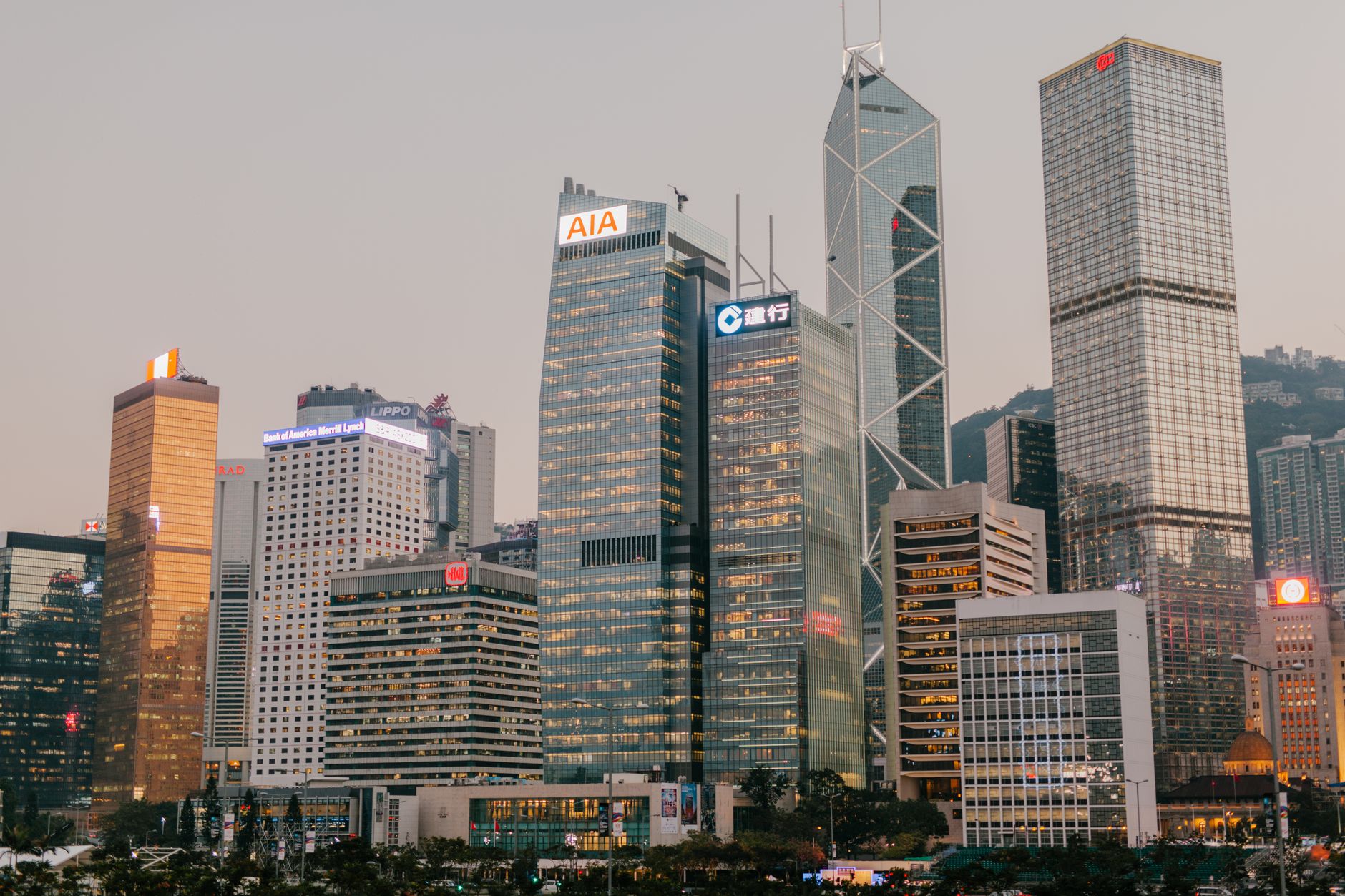
Hong Kong is on the brink of a significant financial evolution, aiming to transform its investment landscape by enhancing access for Chinese investors to local initial public offerings (IPOs). As the city grapples with economic recovery and the lingering effects of regulatory crackdowns on offshore capital flows, these impending changes could reshape the dynamics of cross-border investments and reinvigorate Hong Kong's status as a financial hub.
Key Takeaways
- Hong Kong is negotiating with mainland China to expand investment quotas and facilitate IPO access for Chinese buyers.
- The move comes after a crackdown on illicit capital flows, emphasizing regulatory compliance.
- Enhanced access to IPOs could attract significant mainland investment back to Hong Kong.
- Financial Secretary Paul Chan underscores the importance of stabilizing the economy through these reforms.
- This initiative reflects broader trends of increasing integration between Hong Kong and mainland China's financial markets.
Recent Developments in Hong Kong's Financial Sector
In a strategic move aimed at revitalizing the Hong Kong financial market, the local government is in discussions with Chinese authorities to broaden cross-border investment avenues. According to Financial Secretary Paul Chan, the goal is to not only expand investment quotas but also allow mainland investors greater access to local IPOs. This initiative arises against the backdrop of China's recent regulatory clampdown on offshore capital movements, which has restricted capital flight and impacted investor confidence.
The decision to pursue these changes is significant considering Hong Kong's unique position as a bridge between mainland China and global financial markets. By facilitating easier access for Chinese investors, Hong Kong seeks to reaffirm its status as a premier financial center in Asia, particularly as economic pressures mount and competition from other financial hubs intensifies.
Why This Matters
The implications of Hong Kong's initiative are profound, extending beyond its local economy to affect regional and global financial markets. By enhancing access for mainland investors, Hong Kong could see a substantial influx of capital that has been previously deterred by regulatory uncertainties and restrictions. This shift is critical for Hong Kong, especially in light of the lingering effects of the COVID-19 pandemic and socio-political unrest that have adversely affected its economy.
Moreover, this move could signal a shift in China's approach to managing its financial markets. If successful, it may encourage more open capital flows and foster greater integration between the two markets, which has been a long-term goal for both Hong Kong and Beijing. The ramifications could redefine investment strategies and economic collaborations across the region.
Background and Context
Historically, Hong Kong has been viewed as a gateway for international investors looking to tap into the burgeoning Chinese market. Over the years, numerous mainland companies have opted for IPOs in Hong Kong to gain access to global capital. However, the Chinese government has implemented strict regulations to curb illicit capital outflows, leading to a complex regulatory environment for investors.
In recent years, these regulations have intensified, with a focus on achieving financial stability and preventing capital flight. This backdrop has created a pressing need for Hong Kong to innovate and adapt its financial framework to attract investments while complying with regulatory requirements. The proposed access for Chinese investors to local IPOs is a step towards addressing these challenges and revitalizing the market.
Expert Analysis
From an expert perspective, the move to enhance IPO access for Chinese investors in Hong Kong could serve multiple purposes. Firstly, it presents an opportunity to reverse the outflow of capital that has occurred due to tightened regulations in mainland China. By creating a more inviting environment for mainland investors, Hong Kong can position itself as a more attractive investment destination.
Secondly, this initiative could lead to an influx of funds into Hong Kong's IPO market, benefiting local companies that are seeking to go public. Increased participation from mainland investors could potentially drive up valuations and market liquidity, providing a much-needed boost to the local economy. As more Chinese firms express interest in accessing international capital, the ability for mainland investors to participate in IPOs becomes crucial.
Furthermore, the regulatory landscape will play a significant role in the success of these initiatives. The Hong Kong government must ensure that any changes made to facilitate this access comply with both local and mainland regulations. There will be a balancing act between encouraging investment and maintaining strict oversight to prevent any illicit capital outflows.
What This Means for Investors and Businesses
For investors, this development could open up new avenues for diversification and growth. Greater access to Hong Kong's IPO market means that mainland investors can explore a wider array of investment opportunities, potentially leading to higher returns. This democratization of investment access could also lead to increased competition in the market, benefitting businesses seeking to raise capital.
For businesses, especially those planning to go public in Hong Kong, the ability to tap into mainland capital could significantly enhance their fundraising efforts. Companies may benefit from higher valuations driven by increased demand from Chinese investors, providing them with the necessary capital to expand operations or innovate further.
Moreover, the expansion of IPO access could lead to a more resilient financial ecosystem in Hong Kong, fostering greater collaboration between local and mainland businesses. This could potentially create a more robust market environment, where companies can thrive with the support of a broader investor base.
Frequently Asked Questions
1. What are the new investment quotas for Chinese investors in Hong Kong?
While specific numbers are still under discussion, the Hong Kong government aims to increase the existing quotas that limit how much capital mainland investors can bring to the local market.
2. How will the regulatory environment change to facilitate these initiatives?
The Hong Kong government is in talks with mainland authorities to ensure that any changes comply with both local and national regulations, emphasizing a balance between attracting investment and preventing capital outflows.
3. What impact will this have on Hong Kong's economy?
This initiative could potentially lead to increased capital inflows, benefiting local companies and stimulating economic growth amid recovery efforts from recent challenges.
4. How does this affect international investors?
International investors may find increased competition as more mainland capital enters the market, potentially impacting valuations and investment strategies.
The Road Ahead
Looking forward, Hong Kong's push to enhance IPO access and increase investment quotas for mainland investors could mark a turning point in its financial landscape. As negotiations progress, it will be critical for the local government to communicate clearly with stakeholders to build trust and encourage participation. Maintaining regulatory compliance while fostering growth will be essential to ensure the long-term success of these initiatives.
Ultimately, if successful, this strategy could bolster Hong Kong's status as an international financial hub, creating a more interconnected market that benefits both local and mainland investors. The potential for increased collaboration and investment could lay the groundwork for a more vibrant and resilient economic future.