Investors Eye Fresh Liquidity After SpaceX's Historic IPO
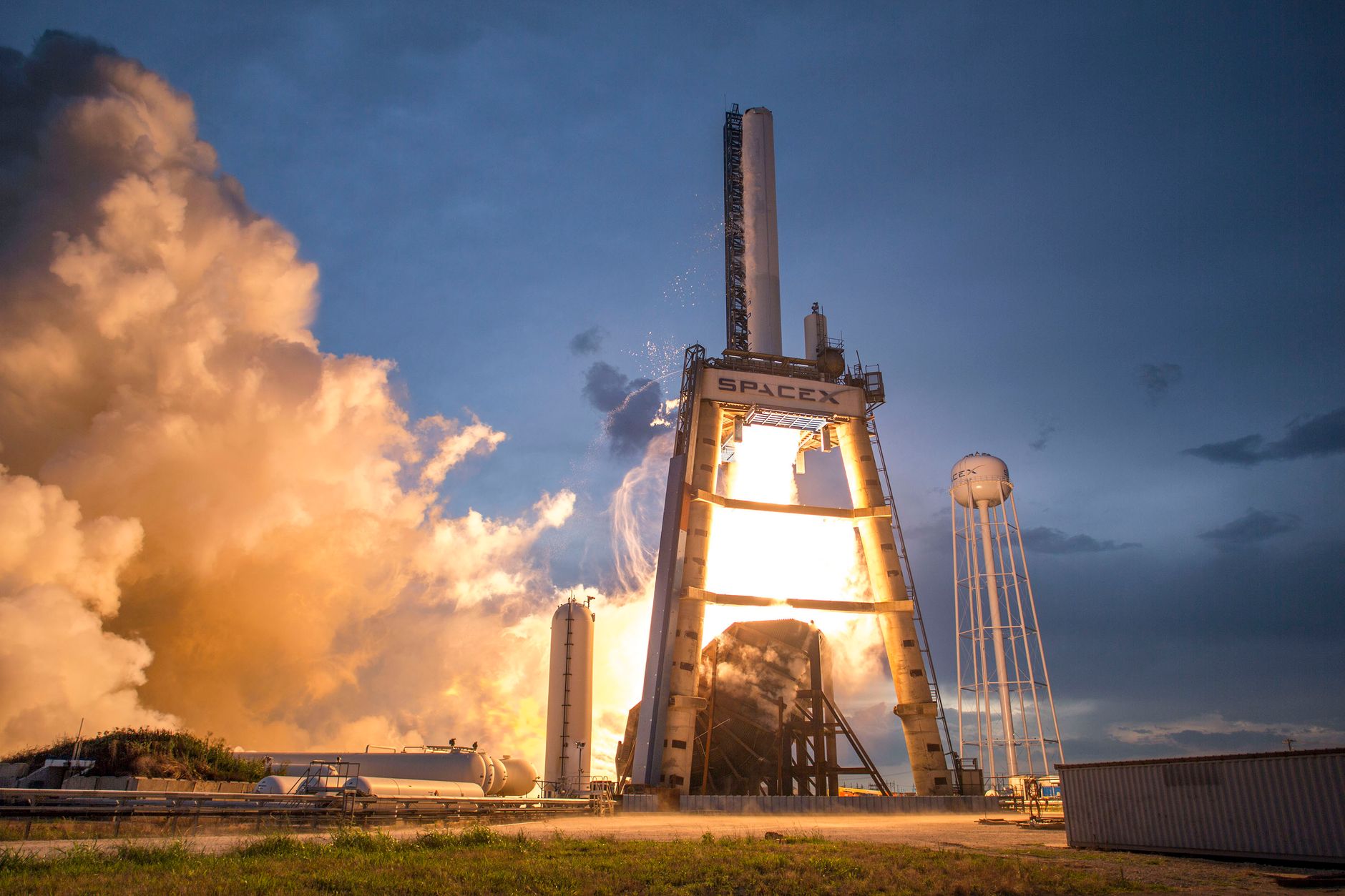
In a pivotal moment for both the tech and space industries, SpaceX has made its long-anticipated public debut. This event not only marks a significant milestone for the company but also sets the stage for a broader wave of liquidity in the private markets, particularly for multibillion-dollar artificial intelligence (AI) companies poised to go public. The implications of this IPO extend far beyond SpaceX itself, promising to reshape the investment landscape.
Key Takeaways
- SpaceX's IPO is seen as a critical catalyst for liquidity inflow into private markets.
- Investors anticipate a "distribution event" that could rejuvenate cash availability.
- Experts predict a wave of public offerings from AI companies in the near future.
- Matt Witheiler of Wellington Management highlights the potential for a cash return to the private tech ecosystem.
- This IPO could redefine investor strategies and valuations in the tech sector.
What Happened?
On June 18, 2026, SpaceX conducted its initial public offering (IPO), a move that has been highly anticipated since the company’s inception in 2002. This IPO marks a historic milestone not only for the company founded by Elon Musk but also for the burgeoning space industry, which has seen increased interest and investment over recent years. The offering has raised significant capital, suggesting a robust demand for shares in a company that has consistently pushed the boundaries of technology and innovation.
As the public eagerly embraced the opportunity to invest in SpaceX, financial analysts and industry experts began to assess the broader implications of this event. A key theme emerging from discussions surrounding the IPO is the potential for what Matt Witheiler, Head of Late-Stage Growth at Wellington Management, describes as a "distribution event." This term refers to the idea that SpaceX’s successful debut could unlock a flow of liquidity into the private markets, which have been starved for fresh capital in recent months.
Why This Matters
The significance of SpaceX's IPO extends beyond the company's immediate financial gains. Investors are closely watching the public offering as a potential harbinger of a new era in venture capital and tech investment. The liquidity generated from this event is expected to facilitate a wave of new investments, particularly in the technology sector, where many startups have been waiting in the wings to go public.
In a time when private markets have largely been characterized by a scarcity of cash, the influx of capital following SpaceX's IPO could invigorate the funding landscape. This is especially crucial for AI companies, many of which are at a critical juncture, ready to transition from private funding rounds to public listings. The anticipation surrounding these upcoming IPOs is palpable among investors eager to capitalize on the next phase of tech innovation.
Background and Context
SpaceX was founded in the early 2000s to revolutionize space travel and reduce the costs associated with launching payloads into orbit. Over the years, the company has achieved numerous milestones, including the development of the Falcon 1, Falcon 9, and Falcon Heavy rockets, as well as the Dragon spacecraft. With multiple successful missions under its belt and contracts with NASA, SpaceX has established itself as a leader in the aerospace sector.
The broader tech landscape has also been evolving, with a marked increase in the number of AI companies raising capital. As AI technologies continue to advance, there is a growing pool of firms ready to enter public markets. This potential wave of IPOs is reminiscent of the dot-com bubble, where excessive enthusiasm for internet-based companies led to a rapid influx of public offerings. However, unlike the late 1990s, the current AI market is supported by tangible advancements and real-world applications, making it a more stable investment environment.
Expert Analysis
Investors are not simply reacting to SpaceX's IPO as a standalone event; rather, they view it as part of a larger narrative unfolding in the tech industry. According to Witheiler, the successful launch of SpaceX on public markets signals a turning point where private equity investors can expect a return on their investments. This sentiment reflects a shift in how investors perceive risk and opportunity in the tech sector.
The notion that SpaceX's IPO will trigger a series of public offerings among AI firms suggests a realignment of investor strategy. In the past, many high-growth tech companies opted to remain private longer, capitalizing on private funding rounds to sustain their growth. However, the SpaceX IPO is likely to inspire these firms to seek public capital sooner, leveraging investor enthusiasm to raise funds for further innovation and expansion.
Furthermore, the timing of SpaceX's IPO is critical. The convergence of its debut with a growing appetite for AI investments presents a unique opportunity for companies in this space. With significant advancements in machine learning, automation, and data analytics, AI companies are well-positioned to attract investor interest. As these firms prepare their own public offerings, they can look to SpaceX's success as a blueprint for navigating the complexities of the IPO process.
What This Means for Investors and the Tech Landscape
For investors, the implications of SpaceX's IPO are multifaceted. First, there is a renewed optimism about the tech sector's viability and potential for growth. Investors are likely to reassess their portfolios and consider reallocating funds towards emerging AI companies that are on the verge of going public. This shift could lead to increased valuations for these firms as they gain traction in the market.
Moreover, the expected surge in liquidity could also mean a more competitive landscape for private equity. Investment firms may find themselves in a race to secure stakes in promising startups before they transition to public markets. This heightened competition could drive up valuations and influence the terms of investment deals.
Frequently Asked Questions
What is the significance of SpaceX's IPO?
SpaceX's IPO is significant because it represents a major liquidity event that could rejuvenate private markets, particularly for tech companies, including those in the AI sector.
How will this IPO affect upcoming AI companies?
The success of SpaceX's IPO is expected to inspire other AI companies to pursue their public offerings sooner, leveraging the positive sentiment and capital influx created by this event.
What does a "distribution event" mean?
A "distribution event" refers to a situation where a successful public offering leads to a broader flow of capital into private markets, enabling investors to realize returns on their investments.
What should investors look for in the coming months?
Investors should keep an eye on upcoming IPOs in the AI sector, as companies may begin to go public at an accelerated pace, influenced by the liquidity generated by SpaceX's successful debut.
The Road Ahead
The future looks promising for investors and tech companies alike, as the SpaceX IPO has the potential to set off a chain reaction of public offerings. As more AI firms prepare to enter the market, the investment landscape is likely to become increasingly dynamic, with opportunities for substantial returns on investment.
Ultimately, the implications of SpaceX's public debut will extend far beyond immediate financial outcomes. It represents a critical juncture in the tech industry, underscoring the importance of innovation and investment in shaping the future of technology. As we move forward, it will be essential for investors to remain vigilant and adaptable, ready to seize the opportunities that arise in this evolving market.