Kiwibit's AI-Powered Bird Feeder: A New Way to Connect with Nature
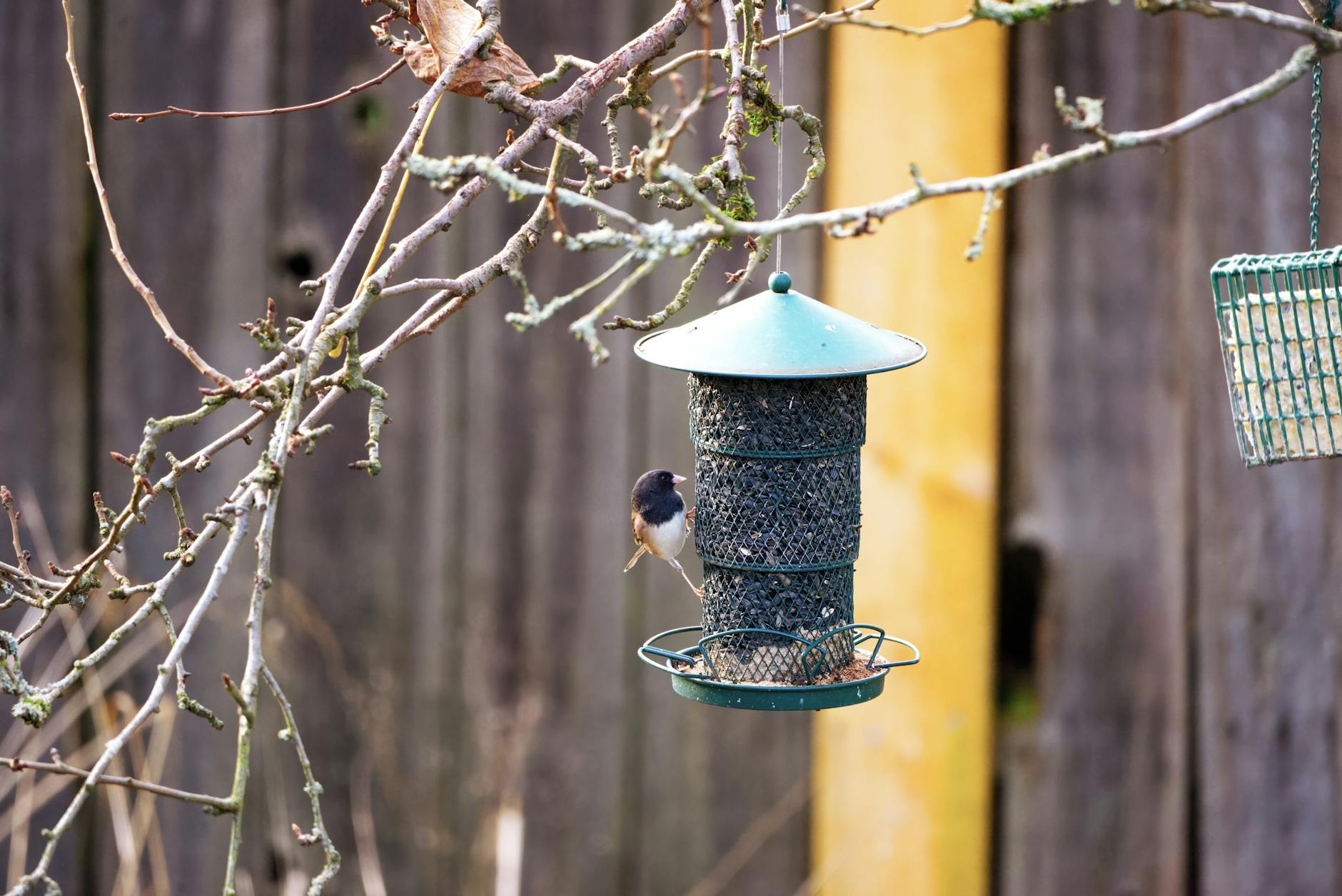
In an age where technology intersects with nearly every aspect of our lives, Kiwibit’s AI-powered bird feeder emerges as a delightful innovation for nature lovers and tech enthusiasts alike. By transforming the simple act of bird feeding into an interactive experience, this smart feeder captures the essence of wildlife observation while integrating the functionalities of modern technology.
Key Takeaways
- Kiwibit’s AI-powered bird feeder allows users to identify bird species through an accompanying app.
- The feeder enhances user engagement with nature, akin to a gamified experience similar to Pokémon.
- Smart features include real-time notifications, feeding patterns analysis, and species tracking.
- The product exemplifies a growing trend where technology facilitates environmental awareness and wildlife conservation.
- Potential market implications could lead to more innovative products in the smart home and wildlife observation sectors.
Exploring Kiwibit’s AI-Powered Bird Feeder
Kiwibit’s AI-powered bird feeder serves as a fusion of technology and nature. Designed to attract various bird species, the feeder utilizes artificial intelligence to identify the birds visiting it. Unlike traditional feeders, which merely dispense food, this smart feeder offers an interactive companion for bird watchers. Users can download a dedicated app that harnesses image recognition to catalog the species that frequent their backyards. This capability not only makes the birdwatching experience more engaging but also educational.
The feeder is equipped with a camera that captures images of the birds as they approach. These images are then processed using AI algorithms to identify the species, offering users real-time notifications and statistics about their feathered visitors. With this technology, birdwatching transcends passive observation, inviting users to participate in a form of citizen science. By tracking the birds, users can contribute valuable data on local bird populations, enriching both their understanding and the broader ecological picture.
Why This Matters
The integration of AI in Kiwibit’s bird feeder highlights a significant trend: the melding of technology with outdoor experiences to foster environmental consciousness. As urbanization continues to encroach on natural habitats, tools like Kiwibit’s feeder encourage individuals to engage with their immediate ecosystems. This engagement is not just recreational; it can play a vital role in conservation efforts by raising awareness about local species and their habitats.
This product also represents a shift in consumer expectations regarding home technology. Modern consumers are increasingly seeking products that offer more than mere convenience; they desire experiences that enrich their lives and connect them with their environment. By gamifying birdwatching and making it accessible via a smartphone app, Kiwibit positions itself at the forefront of this trend, potentially capturing a significant market segment that values sustainability and technological innovation.
Background and Context
The concept of smart feeders is not new, but Kiwibit’s implementation distinguishes itself through its emphasis on AI and user interaction. Historically, bird feeders have been static structures that serve a single purpose: to provide food for birds. The evolution of technology has paved the way for more interactive designs that cater to a growing audience interested in wildlife conservation and education.
Birdwatching has long been a popular pastime, but traditional methods often lack the engagement of modern technology. With the rise of mobile applications and AI, enthusiasts can now enhance their experience significantly. Kiwibit captures this potential, allowing users to document and learn about various bird species while enjoying the outdoors. This shift not only benefits users but also strengthens community efforts toward conservation and ecological education.
Expert Analysis
From a technological standpoint, Kiwibit’s AI-powered bird feeder represents an impressive application of machine learning and image recognition. The algorithms that facilitate bird identification must process vast datasets of avian images to accurately discern species. This complexity underscores the advancements in AI and computer vision, which have made such consumer applications feasible.
Moreover, the feeder’s ability to provide real-time data on bird visits raises interesting questions about privacy and data usage. As users share their birdwatching experiences through the app, they contribute to a larger repository of data that could be invaluable for researchers studying bird populations and migration patterns. However, concerns about data ownership and user consent remain paramount. Kiwibit must ensure that users are fully informed about how their data will be used, particularly if it contributes to larger scientific studies.
What This Means for Nature Enthusiasts and Developers
The emergence of Kiwibit’s smart feeder opens several avenues for both users and developers. For nature enthusiasts, the feeder transforms a solitary activity into a communal one. Users can share their birdwatching results, compare sightings, and even participate in challenges or competitions facilitated by the app. This communal engagement can foster a deeper appreciation for local nature and promote conservation efforts.
For developers, Kiwibit’s model presents a case study in how to create products that merge technology with environmental awareness. As the demand for smart home devices grows, there is significant potential for innovation in wildlife observation and outdoor experiences. Developers can explore additional features, such as integration with social media platforms, augmented reality experiences, or partnerships with conservation organizations. The key will be ensuring that these features enhance user engagement without detracting from the primary experience of enjoying and learning about nature.
Frequently Asked Questions
How does the Kiwibit bird feeder identify bird species?
The feeder uses a built-in camera and AI algorithms that analyze images of birds to identify their species. The data is processed in real-time, providing users with notifications and information about the birds visiting their feeder.
Can I share my birdwatching results with others?
Yes! The Kiwibit app allows users to share their birdwatching experiences with friends and other bird enthusiasts. This feature fosters a community of nature lovers who can compare sightings and engage with each other.
Is my data secure when using the Kiwibit app?
Kiwibit takes user data privacy seriously. Users should review the app's privacy policy to understand how their data is used and shared, particularly if it contributes to scientific studies.
What makes Kiwibit different from traditional bird feeders?
Kiwibit’s bird feeder goes beyond simply providing food; it incorporates AI technology to identify bird species, offers real-time notifications, and creates a gamified experience that enhances user engagement with nature.
The Road Ahead
The future of Kiwibit and similar products will likely depend on the evolving intersection of technology and nature. As more consumers seek ways to connect with the environment amid increasing urbanization and digital distractions, products that blend these realms will gain traction. Kiwibit is not just a product; it’s a movement towards integrating technology with ecological awareness, paving the way for a new generation of environmentally conscious consumers.
As the demand for smart home devices continues to rise, we can expect to see more innovations targeting wildlife observation and conservation. Kiwibit stands at the forefront of this trend, challenging both consumers and developers to create solutions that enhance our understanding of nature while fostering a deeper connection with it. The implications for wildlife conservation and public awareness are profound, as technology opens new avenues for appreciation and stewardship of our natural world.