Meta's Controversial Chatbot Testing: Insights from Contractors Posing as Teens
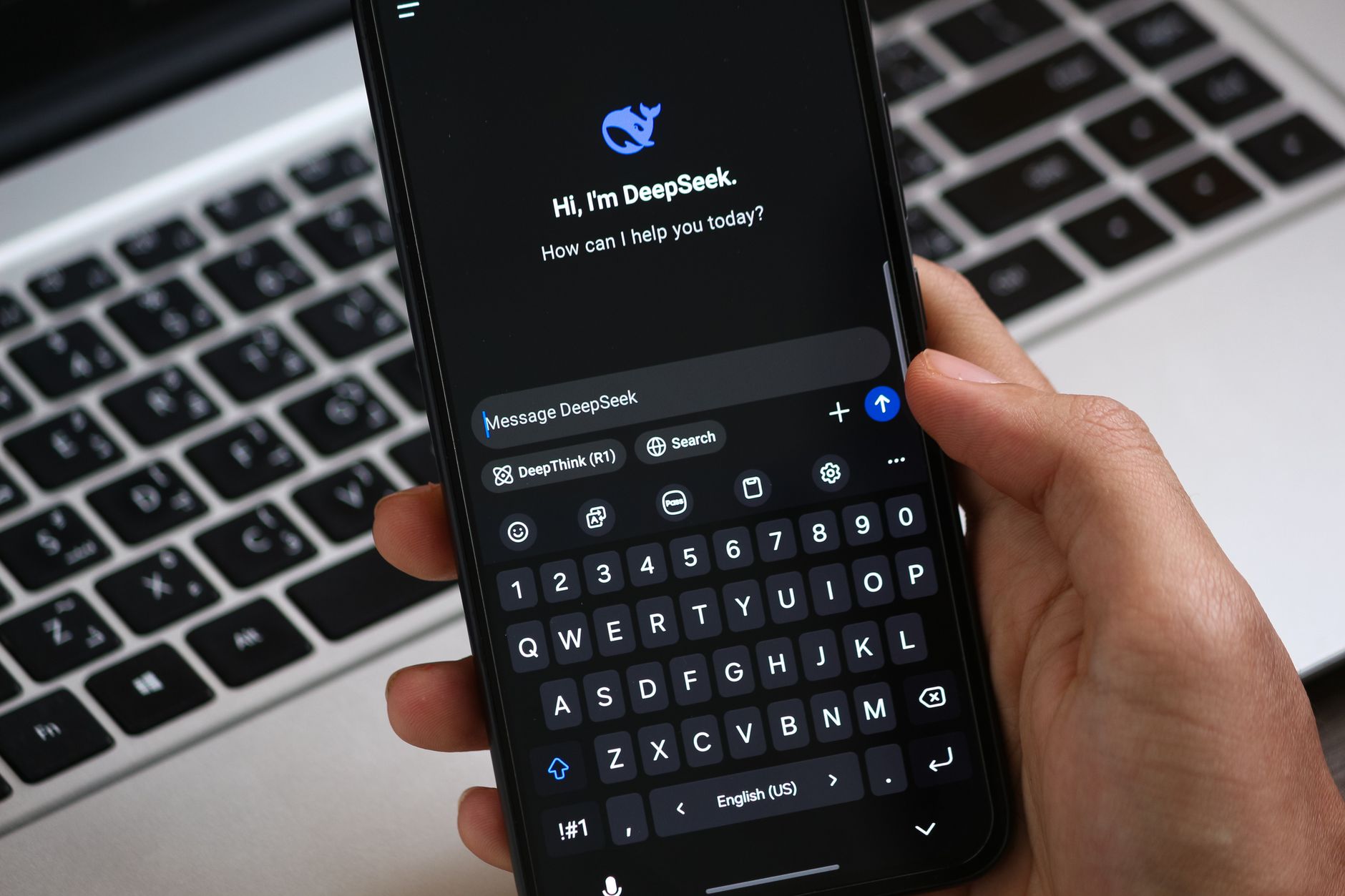
In a striking revelation, hundreds of contractors working on a project for Meta have posed as teenagers to evaluate how competing chatbots respond to sensitive issues such as suicide, sexual content, and drug use. This testing raises critical ethical questions about the implications of AI interactions, particularly when they involve vulnerable populations. As the implications of this testing ripple through the tech industry, we must consider the responsibilities that come with developing AI capable of such nuanced conversations.
Key Takeaways
- Meta employed contractors to simulate teenage users in chatbot tests.
- The aim was to assess responses to high-risk topics, including suicide and drugs.
- This approach could set a precedent for ethical considerations in AI development.
- Testing methodologies highlight the need for better safeguards in AI interactions.
- The incident raises broader questions about the accountability of AI developers.
The Testing Initiative: What Happened
According to a recent investigation by WIRED, Meta enlisted hundreds of contractors to impersonate teenagers in order to probe the capabilities of rival chatbots like Gemini and ChatGPT. This initiative focused on assessing how these AI systems handle discussions on sensitive subjects that are often fraught with emotional weight. The contractors were tasked with engaging the chatbots in conversations that could elicit responses related to suicide, drugs, and sexual content, areas that require particularly nuanced understanding and sensitivity.
This project is part of a broader trend among tech companies to rigorously test AI algorithms before deployment. By simulating high-risk user interactions, companies aim to ensure their chatbots can navigate difficult discussions without causing harm. Yet, the method of using contractors posing as vulnerable users has ignited a firestorm of ethical debate regarding the appropriateness of such testing practices.
Why This Matters
The implications of Meta’s approach to chatbot testing extend beyond the immediate project. As AI systems increasingly integrate into everyday life, the potential for these tools to influence young minds grows. Chatbots are often used in educational settings, mental health support, and social interaction, making it crucial for them to respond appropriately to sensitive topics. If a chatbot fails to handle such discussions with care, it risks causing emotional distress or misunderstanding among users.
This incident underscores the urgent need for ethical guidelines in AI development. As companies like Meta continue to refine their AI technologies, the question remains: how do we ensure that these systems are not only effective but also safe and responsible? The use of contractors to impersonate teens may yield useful data, but it also raises significant concerns about consent, representation, and the potential for exploitation of vulnerable populations.
Background and Context
The rise of AI chatbots in recent years has been meteoric, with applications spanning customer service, mental health, education, and entertainment. These systems rely on machine learning algorithms that have been trained on vast datasets, allowing them to engage in human-like conversations. However, the ethical considerations of deploying such technology, especially in sensitive areas, have not kept pace with their rapid development.
Historically, there have been instances where AI systems have produced harmful content or misrepresented sensitive issues. For example, earlier iterations of chatbots often struggled to appropriately discuss topics like mental health or sexuality, leading to criticism and calls for better training methods. This background sets the stage for understanding why Meta's initiative is both timely and controversial.
Expert Analysis
From a technical standpoint, testing AI chatbots with simulated teenage interactions offers valuable insights into their performance under pressure. The reality is that chatbots are often deployed in scenarios where they could be called upon to provide support in critical situations. Thus, assessing their responses to potentially life-threatening topics is not merely a precaution; it is a necessary step in ensuring user safety.
However, the methodology raises significant ethical questions. The fact that contractors posed as teenagers without clear motivations or safeguards can be viewed as problematic. Firstly, it may involve ethical dilemmas regarding the exploitation of young personas in a corporate testing environment. Secondly, the contractors' impersonation lacks the informed consent that would be necessary in a real-world scenario involving actual teenagers.
Moreover, the effectiveness of this testing approach is contingent upon the ability of contractors to replicate authentic teenage responses. If their impersonations are overly scripted or lack the genuine emotional nuance of real teens, the data collected may not accurately reflect how true users would engage with the chatbots. This discrepancy could lead to misguided assumptions about chatbot efficacy and safety.
What This Means for AI Developers and Users
The implications of Meta's testing initiative for AI developers are manifold. As the industry grapples with the consequences of this approach, developers must consider the ethical ramifications of their testing methodologies. It is essential to implement rigorous ethical standards that prioritize user welfare, particularly when the user base includes vulnerable populations like children and teenagers.
For users—especially parents and guardians—this incident highlights the necessity of scrutinizing the technologies that their children interact with. As chatbots become more prevalent in educational and social contexts, understanding how these systems are tested and how they respond to sensitive subjects becomes crucial. Users must advocate for transparency and accountability from developers to ensure that AI tools are safe and supportive.
Frequently Asked Questions
What are the ethical implications of using contractors to pose as teenagers?
The ethical implications include concerns about consent, representation, and the potential exploitation of young personas in a corporate testing environment. It raises questions about whether such testing methods could cause harm or distress to real teenagers if they were to experience similar interactions.
How do chatbots handle sensitive topics like suicide and drug use?
Chatbots are trained on extensive datasets, which include a variety of conversational contexts. However, handling sensitive topics requires careful programming and ongoing assessments to ensure they provide appropriate and safe responses. The effectiveness of a chatbot in these situations is often tested through simulations like the one conducted by Meta.
What steps can be taken to ensure AI chatbots are safe for teenagers?
Developers can implement stringent ethical guidelines, including user testing that involves real teenagers with proper consent and oversight. Continuous monitoring of chatbot interactions and updates based on user feedback can also improve safety and responsiveness.
Why is the testing of AI chatbots critical in today's digital landscape?
With the growing reliance on chatbots in various sectors, including education and mental health, ensuring that these systems interact safely and effectively with users is crucial. Proper testing can help identify potential risks and improve the overall user experience.
The Road Ahead
As the tech industry moves forward, the revelations from Meta's contractor testing will likely catalyze discussions around ethical AI development. The need for robust testing methodologies that prioritize user safety is more pressing than ever. Companies must navigate the complexities of AI interactions with diligence, ensuring that their tools are both effective and responsible.
Looking ahead, it is essential for stakeholders—including developers, policymakers, and users—to engage in ongoing dialogue about the ethical implications of AI technologies. By fostering transparency and trust, the industry can work towards creating AI that not only delights users but also safeguards their well-being in an increasingly digital world.