Leveraging Codex: Nextdoor's Engineering Breakthroughs with AI
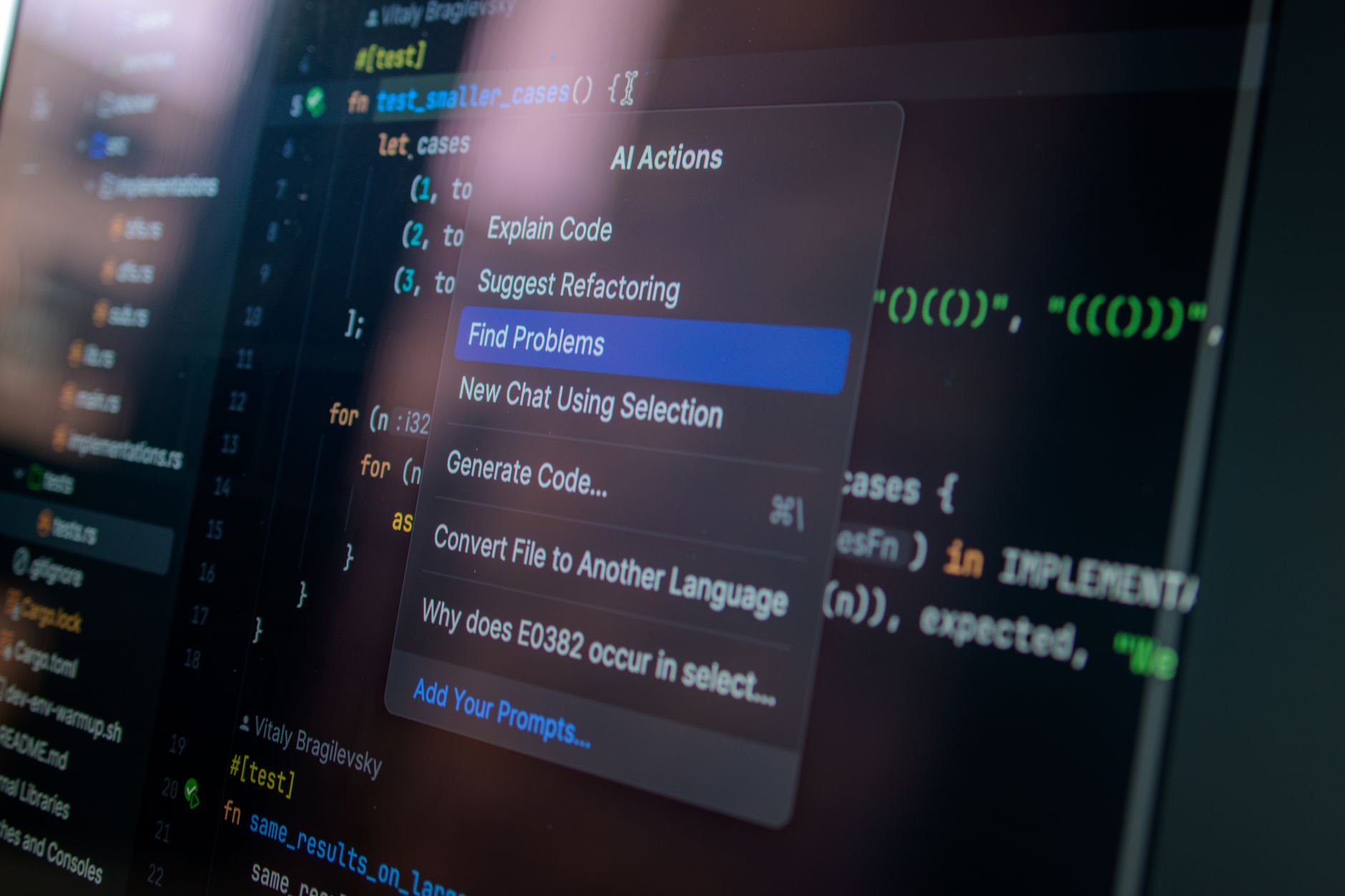
In a landscape where technology drives innovation, the integration of artificial intelligence into software development can be the distinguishing factor between success and stagnation. Nextdoor, the neighborhood social networking service, is leading the way by harnessing OpenAI's Codex to address complex engineering challenges. This partnership not only augments their development capabilities but fundamentally reshapes their approach to product outcomes.
Key Takeaways
- Nextdoor engineers utilize OpenAI's Codex to streamline their development processes and troubleshoot issues.
- By employing GPT-5.5, the team can focus on delivering value rather than getting bogged down by technical hurdles.
- Codex aids in building cross-platform applications, enhancing user experience and accessibility.
- The integration of AI tools allows Nextdoor to foster innovation and agility in a competitive market.
- Overall, the collaboration signifies a shift towards AI-enhanced engineering processes in the tech industry.
The Innovation at Nextdoor
Nextdoor has emerged as a vital platform for communities, enabling neighbors to connect, share information, and support one another. As the platform continues to grow, so does the complexity of the engineering challenges its team faces. In their pursuit to enhance user experience, Nextdoor engineers have turned to OpenAI’s Codex, a sophisticated AI tool that leverages the capabilities of GPT-5.5.
Codex not only provides developers with a powerful coding assistant but also helps them address hard-to-reproduce issues that can often slow down development cycles. This is particularly crucial in an environment where customer expectations are high, and product updates must be frequent and reliable. By employing Codex, Nextdoor engineers can investigate and resolve problems more efficiently, leading to faster iteration on features and improvements.
Why This Matters
The implications of integrating AI tools like Codex into the engineering workflow at Nextdoor extend far beyond mere efficiency gains. As software development becomes increasingly complex, the ability to troubleshoot and innovate without overwhelming technical barriers can define the trajectory of a company. In this context, Codex serves not only as a tool but as a catalyst for transformation.
For the tech industry at large, Nextdoor’s approach sets a precedent for how AI can be integrated into everyday engineering practices. As companies strive to remain competitive, the adoption of AI technologies will likely become increasingly common, prompting a reevaluation of traditional development methodologies. This evolution may lead to a more agile and responsive tech landscape, where innovative solutions can be developed at a pace that aligns with market demands.
Background and Context
The development of AI tools like Codex is rooted in the broader advancements in machine learning and natural language processing (NLP). Codex, which is built on the same architecture as GPT-3 and later iterations, has been trained on a diverse range of programming languages and frameworks. This extensive training allows it to understand and generate code based on plain language descriptions, making it an invaluable asset for developers.
Nextdoor’s decision to implement Codex comes at a time when many tech companies are exploring AI capabilities. The competitive landscape has shifted dramatically as organizations recognize the need for rapid innovation to meet user needs. The ability to leverage AI not only improves development processes but also enhances overall product quality, setting a higher standard in the industry.
Expert Analysis
From an engineering perspective, the adoption of Codex at Nextdoor represents a pivotal move towards enhancing productivity and fostering creativity among developers. By automating routine coding tasks and providing intelligent suggestions, Codex allows engineers to focus on higher-level problem-solving and creative aspects of development.
Moreover, the AI’s capacity to assist in debugging and troubleshooting is particularly noteworthy. Nextdoor engineers can utilize Codex to analyze code behavior, identify anomalies, and propose solutions, significantly reducing the time spent on these tasks. This not only accelerates the development cycle but also fosters a culture of innovation where engineers can experiment with new ideas without the fear of getting mired in technical debt.
In a competitive environment where user experience is paramount, the ability to quickly iterate on features is crucial. Codex empowers Nextdoor to enhance its platform rapidly, ensuring it remains responsive to user feedback and market trends. This agility is essential in retaining user engagement and satisfaction, particularly in a platform that thrives on community interaction.
What This Means for Developers
The integration of AI tools like Codex will likely reshape the role of software developers in the coming years. As routine coding tasks become increasingly automated, developers may find themselves transitioning into more strategic roles that emphasize creativity, problem-solving, and collaboration. This shift could lead to a more dynamic and fulfilling work environment, where engineers are tasked with conceptualizing and implementing innovative features rather than simply writing code.
Furthermore, as AI continues to evolve, developers will need to adapt their skill sets to effectively leverage these tools. Understanding how to communicate with AI systems and integrate their suggestions into workflows will become an essential skill for the next generation of engineers. As seen at Nextdoor, embracing this technology can lead to significant improvements in productivity and innovation, setting a precedent for others in the industry to follow.
Frequently Asked Questions
How does Codex improve the software development process?
Codex enhances the software development process by automating repetitive coding tasks, assisting with debugging, and providing intelligent suggestions for code generation, allowing developers to focus on more complex and creative aspects of their work.
Can Codex be used across different programming languages?
Yes, Codex is trained on a variety of programming languages, making it versatile for developers working within different environments and projects, enhancing its usability across platforms.
What challenges might arise when implementing AI tools like Codex?
Challenges may include ensuring the accuracy of AI-generated code, addressing potential biases in AI outputs, and training developers to effectively integrate AI tools into their workflows.
How will AI impact the future of software engineering?
AI is expected to significantly change the landscape of software engineering by automating routine tasks, allowing for faster iteration cycles, and enabling developers to focus on innovation and user experience.
The Road Ahead
As AI technologies continue to advance, the road ahead for companies like Nextdoor is filled with exciting possibilities. The integration of Codex is just the beginning of a broader trend towards AI-enhanced engineering. As teams become more adept at leveraging these tools, we can expect a surge in innovation that prioritizes user experience and community engagement.
Looking to the future, Nextdoor’s approach could inspire other tech companies to adopt similar strategies, leading to a wave of AI-driven development practices across the industry. As the boundaries of what is possible in software engineering expand, the focus will increasingly shift towards harnessing the creative potential of developers, empowered by AI tools that streamline their workflows and elevate their contributions.