Opal's New AI-Powered Audio Gadget: A Game Changer for Consumer Tech
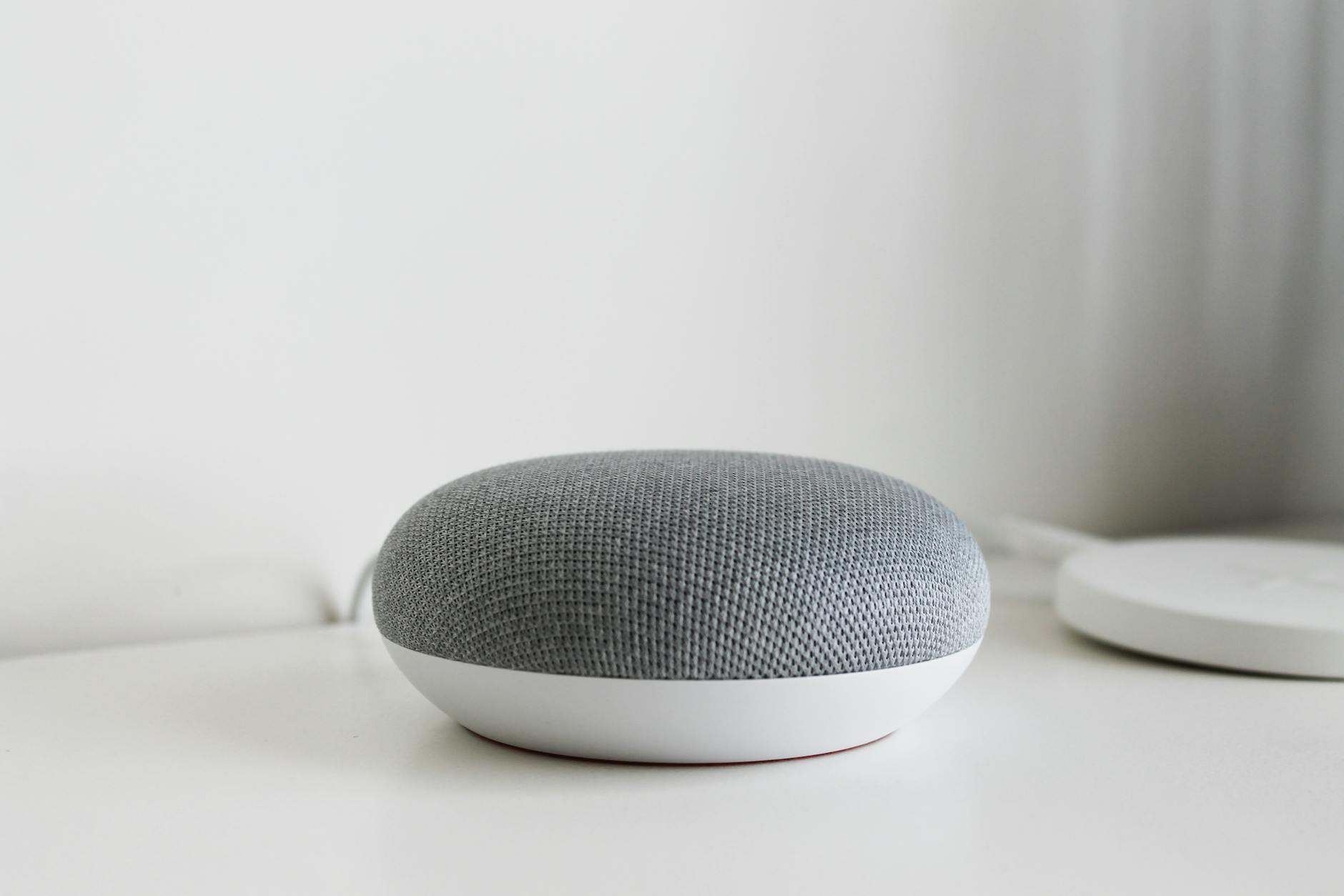
In a bold shift from its established identity as a webcam manufacturer, Opal is channeling substantial investments from OpenAI and Samsung into a new venture: an AI-powered audio gadget. This pivot signals the company's ambition to redefine its role in the rapidly evolving consumer electronics landscape.
Key Takeaways
- Opal, known for high-quality webcams, is diversifying into audio gadgets with AI integration.
- The company is backed by significant investments from OpenAI and Samsung.
- This new product aims to enhance user experiences through advanced audio processing capabilities.
- Opal's move reflects broader trends in the tech industry toward AI-driven consumer electronics.
- Potential applications of the audio gadget could reshape entertainment, communication, and content creation.
Opal's Strategic Shift
Opal has made waves in the tech world with its high-end webcams, which have garnered a loyal following among content creators and professionals alike. However, with the recent influx of capital from OpenAI and Samsung, the company is embarking on a significant pivot. The forthcoming AI-powered audio gadget is set to be the first in a line of new products that leverage the power of artificial intelligence to enhance user experiences.
The audio gadget is expected to incorporate cutting-edge technology that processes sound in real-time, offering features such as noise cancellation, voice enhancement, and contextual audio adjustments. This level of sophistication not only aligns with modern consumer demands for high-quality audio but also positions Opal to capitalize on the growing trend of AI integration in everyday technology.
Why This Matters
The implications of Opal's pivot extend far beyond the company's immediate financial prospects. This move represents a significant trend in the consumer electronics industry, where traditional hardware manufacturers are increasingly looking to artificial intelligence to differentiate their products. As AI continues to permeate various sectors, its integration into consumer electronics can lead to more intuitive, responsive, and user-centered devices.
Furthermore, the partnership with OpenAI, a leader in the field of artificial intelligence, places Opal in a unique position to leverage advanced machine learning algorithms. This collaboration could lead to innovations that not only enhance audio quality but also redefine how users interact with audio technology. For example, the gadget could learn a user’s preferences over time, adapting its features to provide a personalized audio experience.
Background and Context
Founded with a focus on high-quality webcams, Opal quickly gained traction in a market dominated by lower-quality, mass-produced alternatives. The company’s success can be attributed to its commitment to quality and user-centric design principles. However, the tech landscape is evolving, and the demand for versatile products that integrate AI capabilities is on the rise. This shift reflects broader consumer expectations for smarter, more responsive technology.
The growing integration of AI into consumer electronics is not without precedent. Companies such as Amazon and Google have successfully incorporated AI into their respective audio devices, the Echo and Google Home, which utilize voice recognition and smart home integration. Opal's entry into this space signifies its intention to compete with established players while harnessing its expertise in hardware design.
Expert Analysis
The development of an AI-powered audio gadget by Opal is a strategic move that highlights several key trends in the consumer electronics industry. Firstly, the growing importance of audio quality in digital communication and entertainment cannot be overstated. As more people work remotely and consume media online, the demand for superior audio experiences is at an all-time high. By leveraging AI, Opal can differentiate its product from competitors by offering features that go beyond basic sound reproduction.
One of the most significant advantages of integrating AI into audio technology is the potential for real-time sound processing. This capability allows devices to adapt to various environments, enhancing audio quality based on factors such as background noise and user preferences. For instance, users could experience automatic noise cancellation in a bustling café or optimized sound when watching movies at home, thus enriching their overall experience.
Moreover, the partnership with OpenAI suggests that Opal is not merely looking to replicate existing technologies but rather to innovate. OpenAI's expertise in machine learning could enable Opal to implement features like context-aware audio adjustments that enhance user interaction. Imagine a gadget that not only recognizes your voice but understands the context of your conversation, adjusting audio settings accordingly to make communication clearer and more effective.
What This Means for Consumers
The launch of Opal's AI-powered audio gadget could have significant implications for consumers. As the product enters the market, users can expect a higher level of audio fidelity and a more interactive experience. For content creators, the gadget could provide tools for clearer sound during live streaming or recording, thereby enhancing the quality of their output.
Additionally, the integration of AI means that the gadget could evolve over time. Users might find that their device becomes more attuned to their preferences, learning to filter out background noise that they commonly experience or adjusting sound profiles based on the type of content being consumed. This level of personalization represents a shift toward more intelligent and responsive consumer electronics, making technology more aligned with individual user needs.
Frequently Asked Questions
What features can we expect from Opal's audio gadget?
While specific features have not been fully disclosed, the gadget is expected to include advanced audio processing capabilities such as noise cancellation, voice enhancement, and contextual adjustments based on user preferences.
How will AI improve the audio experience?
AI can enhance audio experiences by enabling real-time sound processing, allowing the device to adapt to different environments and user needs. For example, it could automatically adjust settings for better clarity in noisy settings.
Who are Opal's main competitors in the audio gadget market?
Opal will compete with established brands like Apple, Amazon, and Google, all of which have integrated AI into their audio products, offering smart features and high-quality sound.
What is the significance of OpenAI's investment in Opal?
OpenAI's investment signifies a strong belief in Opal's potential to innovate within the consumer electronics space, leveraging advanced AI technologies to create unique and valuable products.
The Road Ahead
As Opal prepares to launch its AI-powered audio gadget, the company stands at a critical juncture. The successful introduction of this product could not only solidify Opal's position in the consumer electronics market but also set a precedent for future developments within the industry. If the gadget is well-received, it may pave the way for a broader range of AI-integrated devices that cater to various aspects of daily life, from personal entertainment to professional communication.
Looking ahead, the consumer electronics market is poised for significant transformation driven by advances in AI. Companies that can harness this technology effectively will likely lead the charge in innovation, creating products that resonate with consumers' evolving needs. Opal's foray into this arena is a compelling example of how traditional hardware manufacturers can adapt and thrive in an increasingly competitive landscape.