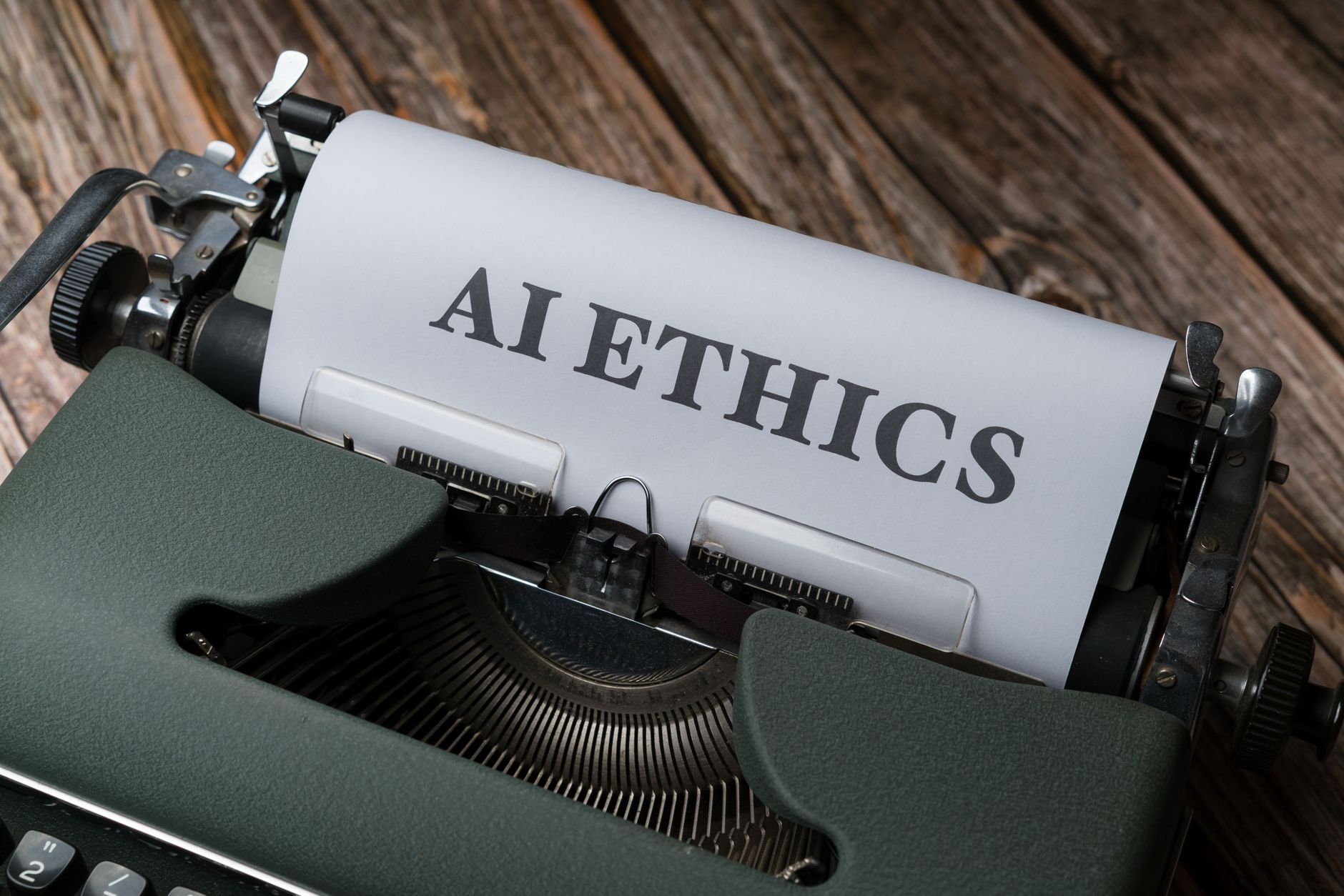
Exploring the Role of Philosophy in AI Development at Google DeepMind

As artificial intelligence (AI) continues to reshape our world, the need for ethical guidance in its development and deployment has never been more apparent. Enter Iason Gabriel, a political philosopher whose role at Google DeepMind illuminates the critical intersection of ethics and technology. With commercial and geopolitical pressures mounting, the question arises: can ethicists like Gabriel make a significant difference in the trajectory of AI?
Key Takeaways
- Iason Gabriel’s unique role at Google DeepMind underscores the importance of ethical considerations in AI development.
- The rise of AI technologies brings both opportunities and risks, necessitating careful philosophical inquiry.
- Commercial and geopolitical pressures can complicate ethical frameworks, making the work of ethicists more crucial.
- Collaboration between technologists and ethicists is essential for responsible AI innovation.
- Understanding the philosophical underpinnings of AI can help guide its future development and mitigate potential harms.
Understanding the Role of Philosophy in AI
Iason Gabriel, who joined Google DeepMind in 2017, is not your typical tech employee. As a political philosopher, he brings a unique perspective to the complex challenges posed by AI technologies. His entrance into the world of AI might not have been a conventional career choice, but it reflects a growing recognition that ethical considerations must be woven into the fabric of technological advancement.
At DeepMind, Gabriel grapples with profound questions: What does it mean for an AI to act ethically? How can we ensure that AI systems align with human values? These questions are not merely academic; they have real-world implications as AI systems become increasingly integrated into everyday life.
Gabriel's work involves anticipating potential future scenarios and thinking critically about the societal impacts of AI. As AI systems evolve, the moral dilemmas they present also become more complex, prompting the need for philosophical inquiry to guide their development.
Why This Matters
The rapid advancement of AI technologies has been accompanied by heightened scrutiny regarding their ethical implications. With AI systems being deployed in various sectors, including healthcare, finance, and law enforcement, the stakes are incredibly high. A misstep in the design or application of these technologies could lead to significant societal harm, from privacy violations to perpetuation of biases.
In this context, the work of ethicists like Gabriel is critical. They provide a framework for understanding the implications of AI technologies and advocate for approaches that prioritize human welfare. As the industry faces mounting pressure from both commercial interests and regulatory bodies, the integration of ethical considerations into AI development is not just beneficial; it is essential for fostering public trust and ensuring sustainable innovation.
Background and Context
The philosophical underpinnings of AI are not a new phenomenon. As far back as the mid-20th century, thinkers like Norbert Wiener and Alan Turing began to explore the ethical dimensions of machines that could think and learn. Today, the landscape has evolved significantly, yet many of the core questions remain unresolved.
In recent years, the emergence of advanced AI systems such as neural networks and reinforcement learning algorithms has intensified discussions around AI ethics. These technologies, while promising, raise concerns about accountability, transparency, and the potential for harmful outcomes. As companies like Google DeepMind push the boundaries of what AI can achieve, the philosophical inquiries initiated decades ago are more relevant than ever.
Expert Analysis
Gabriel's role at DeepMind serves as a case study in the need for philosophical inquiry in technological advancement. His work involves not just addressing immediate ethical concerns but also anticipating future scenarios that could arise from the deployment of AI technologies. This proactive approach is crucial in an era where AI is being integrated into critical decision-making processes.
One of the significant challenges that Gabriel and his colleagues face is the tension between ethical ideals and commercial realities. Companies are often driven by profit motives, which can clash with ethical considerations. Gabriel’s insights highlight the importance of fostering a culture within tech companies that values ethical reflection alongside profit generation.
This cultural shift requires collaboration between technologists and ethicists. Gabriel's interdisciplinary approach reflects a growing recognition that the challenges posed by AI cannot be solved in isolation. Ethicists must work alongside engineers to design systems that are not only efficient but also ethical, ensuring that the technologies developed benefit society as a whole.
What This Means for Society
For society at large, the work of ethicists like Gabriel is pivotal in shaping the future of AI. As AI continues to permeate various sectors, understanding its ethical implications can help mitigate potential harms. Ethical frameworks can guide the development of AI systems that respect human rights, promote fairness, and enhance social good.
Moreover, the collaboration between ethicists and technologists can foster innovation that aligns with societal values. This approach can lead to the creation of AI systems that are not only technologically advanced but also socially responsible. As AI technologies evolve, prioritizing ethical considerations will be essential for building systems that society can trust.
Frequently Asked Questions
What is the role of a philosopher in AI development?
A philosopher in AI development, like Iason Gabriel, helps address ethical considerations and societal implications of AI technologies. Their work involves anticipating potential consequences and advocating for responsible practices in AI design.
Why are ethical considerations important in AI?
Ethical considerations are crucial in AI to prevent harmful outcomes, ensure fairness, and promote trust in AI systems. As AI technologies are integrated into everyday life, addressing moral dilemmas becomes essential for safeguarding human welfare.
How can technologists and ethicists collaborate effectively?
Effective collaboration between technologists and ethicists involves open communication and a shared commitment to ethical principles. By working together, they can develop AI systems that are both innovative and aligned with societal values.
What are some real-world implications of AI ethics?
Real-world implications of AI ethics include addressing biases in algorithms, protecting privacy, and ensuring accountability in automated decision-making. Ethical frameworks can guide the development of AI technologies that respect human rights and promote social good.
The Road Ahead
As we look to the future of AI, the importance of integrating ethical considerations into technology development cannot be overstated. Iason Gabriel’s role at Google DeepMind exemplifies a necessary shift towards a more conscientious approach to AI. With AI technologies continuing to evolve, the collaboration between ethicists and technologists will be vital in navigating the complexities of this rapidly changing landscape.
The road ahead will undoubtedly present challenges, but it also offers opportunities for innovation that aligns with human values. By prioritizing ethics in AI development, we can work towards a future where technology serves to enhance, rather than undermine, our collective well-being.