Rocket Lab's $8 Billion Bet to Compete with SpaceX's Starlink
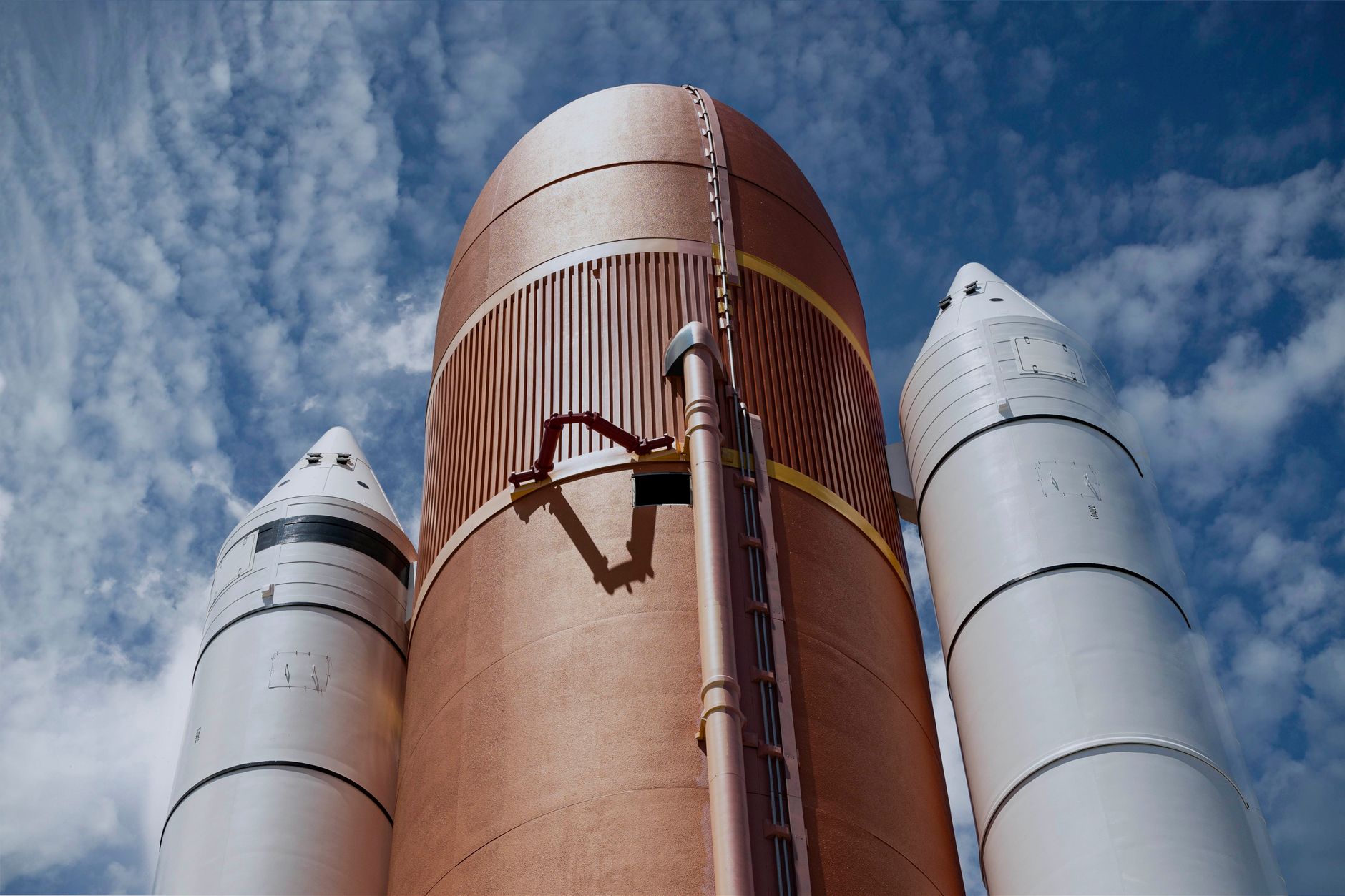
The orbital economy is experiencing a seismic shift as Rocket Lab, a key player in the space launch industry, makes headlines with its bold $8 billion acquisition of Iridium. This move positions Rocket Lab not only as a major competitor to SpaceX's Starlink but also underscores the intensifying competition in the satellite communications sector. With this acquisition, Rocket Lab aims to carve out a significant share of the lucrative market currently dominated by Elon Musk's SpaceX.
Key Takeaways
- Rocket Lab has announced its acquisition of Iridium for $8 billion, marking a significant step in challenging SpaceX's Starlink.
- This deal is a strategic move to enhance Rocket Lab's capabilities in satellite communications.
- South Korean firms, including Samsung and SK Hynix, are investing heavily in chips and data centers, with a budget exceeding $880 billion.
- Anthropic has received US approval to restore access to its Mythos 5 AI model after addressing concerns regarding its safety.
- The acquisition of Iridium positions Rocket Lab at the forefront of the evolving landscape of the orbital economy.
Rocket Lab's Acquisition of Iridium: What Happened?
In a strategic pivot aimed at redefining its position in the competitive landscape of satellite communications, Rocket Lab has announced its acquisition of Iridium Communications Inc. for a staggering $8 billion. This acquisition is not merely a financial transaction; it is a pivotal move that could reshape the dynamics between leading companies in the space industry. Iridium, known for its global satellite communications network, provides comprehensive coverage across the globe, offering vital communication services to various sectors, including maritime, aviation, and government operations.
Rocket Lab's CEO articulated the ambition behind this acquisition during an exclusive interview, emphasizing that this is the company's most significant investment to date. With Iridium under its wing, Rocket Lab aims to enhance its service offerings and significantly increase its market share in the satellite communications domain. The deal positions Rocket Lab to leverage Iridium's existing infrastructure and customer base, potentially allowing the company to offer a more robust service mix that can directly compete with SpaceX's well-established Starlink network.
Why This Matters
The acquisition of Iridium signals a critical juncture in the ongoing battle for dominance in the satellite communications sector. Currently, SpaceX's Starlink leads the market with its extensive constellation of satellites providing broadband internet services to users worldwide. With Rocket Lab's acquisition, the narrative shifts significantly. The move represents not only a challenge to SpaceX's supremacy but also highlights the increasing importance of satellite communications in an era where global connectivity is paramount.
Furthermore, the competition among satellite operators is likely to spur innovation, improve service offerings, and lead to lower prices for consumers. Companies in the sector will be compelled to enhance their technological capabilities and expand their service offerings to remain competitive. This could lead to breakthroughs in satellite technology, increased investment in infrastructure, and ultimately a more connected world.
Background and Context
The satellite communications market has undergone dramatic changes over the past decade, spurred by technological advancements and increasing demand for global connectivity. The entry of private companies into the space sector has disrupted traditional models, enabling a competitive landscape characterized by rapid innovation and high-stakes investments. SpaceX's launch of Starlink, which aims to provide high-speed internet globally via a network of low Earth orbit satellites, has set a new standard in the industry.
Rocket Lab, founded in 2006, has primarily focused on launching small satellites into orbit, gaining a reputation for its reliable Electron rocket. However, the company has recognized the potential of the satellite communication market and the need to diversify its revenue streams. The acquisition of Iridium represents a strategic leap towards fulfilling that vision, positioning Rocket Lab as a formidable contender in an increasingly crowded marketplace.
Expert Analysis
The acquisition of Iridium by Rocket Lab could be seen as a culmination of the shifting paradigms within the satellite communications landscape. The strategic move demonstrates Rocket Lab's recognition of the critical role that satellite communications play in enabling connectivity across various sectors, including telecommunications, defense, and emergency services. By integrating Iridium's capabilities, Rocket Lab could potentially offer high-latency solutions that complement the low-latency services provided by Starlink.
This integration could also create opportunities for hybrid services that leverage the strengths of both platforms, providing customers with enhanced options tailored to their specific needs. As Rocket Lab enhances its capabilities through this acquisition, it could redefine customer expectations and service levels in the satellite communications market.
Furthermore, this acquisition underscores the broader trend of consolidation in the space sector. As companies seek to scale their operations and enhance their competitive positioning, mergers and acquisitions are likely to become more common. This trend could lead to a more concentrated industry where only a few major players dominate the market, resulting in both opportunities and challenges for smaller firms.
What This Means for Satellite Communications Industry
For industry stakeholders, the implications of Rocket Lab's acquisition of Iridium are profound. First and foremost, the deal is likely to intensify competition among satellite communications providers. With Rocket Lab entering the fray, SpaceX will face increased pressure to innovate and expand its offerings. This competitive dynamic can lead to better services and pricing for consumers, as companies strive to differentiate themselves in an increasingly crowded marketplace.
Additionally, the acquisition could pave the way for new partnerships and collaborations in the satellite ecosystem. As Rocket Lab seeks to leverage Iridium's existing partnerships and customer relationships, we may see new synergies emerge that can enhance service delivery. This could also encourage other companies to explore similar strategic alliances to bolster their market presence.
Frequently Asked Questions
What are the key benefits of Rocket Lab's acquisition of Iridium?
The acquisition allows Rocket Lab to enhance its satellite communications capabilities, leverage Iridium's existing infrastructure, and potentially challenge SpaceX's dominance in the market.
How will this acquisition impact competition in the satellite communications sector?
The deal is likely to intensify competition, leading to improved service offerings and pricing for consumers as companies strive to differentiate themselves.
What opportunities does this acquisition create for Rocket Lab?
It positions Rocket Lab to offer a broader range of satellite communication services, potentially leading to new partnership opportunities and revenue streams.
What does this mean for the future of satellite communications?
The acquisition could spur further innovation and consolidation in the industry, resulting in a more competitive landscape with enhanced services and capabilities.
The Road Ahead
Looking forward, Rocket Lab's acquisition of Iridium could mark the dawn of a new era in the satellite communications industry. As the company integrates Iridium's capabilities and customer base, it will need to navigate the complexities of merging operations without disrupting existing services. Successful execution of this integration will be critical to realizing the full potential of the acquisition.
Additionally, the competitive landscape is poised for transformation as other companies respond to Rocket Lab's bold move. Expect increased investment in research and development, strategic partnerships, and possibly more mergers and acquisitions as firms in the space sector seek to bolster their market positioning. The coming years will be pivotal as companies vie for dominance in this dynamic and rapidly evolving industry.