The Future of Sound: Smart Headphones That Filter Noise
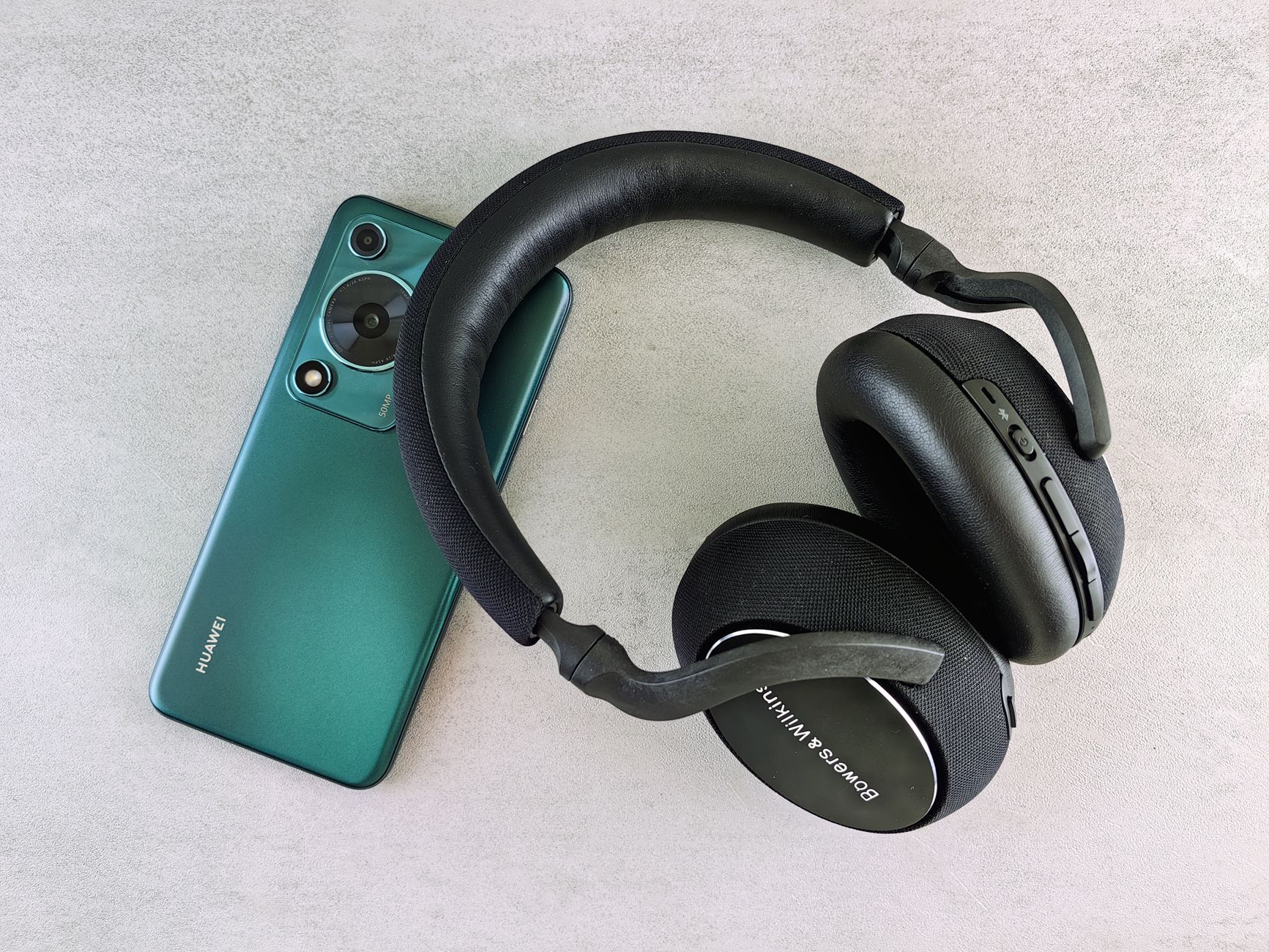
Imagine a world where the sounds you cherish are amplified while the ones you despise are completely muted. This is not a far-off dream; it’s a rapidly approaching reality with the advent of advanced headphone technologies that aim to filter out annoying noises while allowing us to enjoy the music, conversations, or nature sounds we love. As scientists innovate in this space, the implications stretch far beyond mere auditory pleasure—they touch on mental well-being, communication, and our relationship with the environment.
Key Takeaways
- New headphone technology aims to filter unwanted noise while enhancing desirable sounds.
- This innovation could significantly impact mental health by reducing noise pollution in urban areas.
- Applications extend beyond personal use, potentially benefiting industries like healthcare and education.
- The technology hinges on advancements in AI and sound engineering.
- Future iterations may integrate seamlessly into our daily lives, transforming how we experience sound.
The Innovative Leap in Headphone Technology
Recent developments in headphone technology are capturing the imagination of researchers and consumers alike. Scientists are working on headphones that can not only block out the sounds that irritate us but also amplify the sounds that bring us joy. In an age where noise pollution is increasingly prevalent, this innovation promises to revolutionize our auditory experiences. Imagine walking in a bustling city while only hearing the chirp of birds or the laughter of loved ones, while the cacophony of traffic and construction fades into oblivion.
This technological leap is made possible by advancements in artificial intelligence and sound engineering. By using sophisticated algorithms and real-time processing, these headphones can distinguish between different sound frequencies. This means that while they cancel out unpleasant noises—like the sound of a busy street or an annoying conversation—they can enhance other sounds, creating a tailored auditory experience that aligns with individual preferences.
Why This Matters
The implications of this technology extend beyond personal enjoyment; they encompass significant societal and health-related issues. Noise pollution has been linked to various health problems, including stress, anxiety, and even cardiovascular diseases. According to the World Health Organization, noise pollution is responsible for about 1 million disability-adjusted life years lost annually in Europe alone. By reducing exposure to harmful noise, these headphones could play a crucial role in enhancing public health.
Additionally, as urbanization continues to rise, so does the need for effective noise management solutions. More than half of the world's population now lives in urban areas, and as cities grow, so too does the noise. This technology could provide a much-needed respite for city dwellers, allowing them to reclaim their peace of mind. Furthermore, the ability to selectively enhance certain sounds could improve interpersonal communication in noisy environments, thereby fostering better social interactions and relationships.
Background and Context
Historically, the quest for better noise management has seen various innovations, from traditional noise-canceling headphones to soundproofing materials for buildings. The first noise-canceling headphones were developed in the 1950s and primarily used by pilots to reduce engine noise. Over the decades, advancements in acoustics and digital signal processing have propelled this technology into the consumer market, making it a staple for travelers and music lovers alike.
As we enter the era of smart technology, the integration of AI into audio devices marks a significant turning point. Recent developments in machine learning and adaptive algorithms allow devices to learn user preferences and adapt to acoustic environments. This evolution paves the way for headphones that not only cancel noise but also enhance desirable sounds through sophisticated sound-mixing techniques. The convergence of AI and audio technology invites exciting possibilities for future innovations.
Expert Analysis
The implications of these new headphones extend from personal enjoyment to broader societal benefits. The ability to filter noise could serve as a mental health booster, creating a more serene auditory landscape in our everyday lives. This is particularly relevant in workplaces, where a noisy environment can hinder productivity and focus. Implementing such technology could lead to more effective workspaces, fostering creativity and efficiency among employees.
Moreover, the potential applications of this technology in healthcare settings are noteworthy. For patients recovering in hospitals, reducing noise can significantly enhance their experience and overall recovery. Enhanced sound environments could also be beneficial for those with hearing impairments, allowing them to engage more fully in conversations by amplifying voices while filtering out background noise.
However, the technology is not without challenges. Issues related to privacy and sound quality are paramount. The concern over how sound data is processed and the potential for misuse are vital discussions that must be addressed as this technology matures. Ensuring users' comfort and security will be essential for widespread adoption.
What This Means for Users
For consumers, this technology represents a new frontier in personal audio experience. Users can expect a more tailored auditory experience, where they can choose to immerse themselves in their favorite playlists while simultaneously enjoying the sounds of nature or the company of friends without external disturbances. This could change how we interact with our environments, allowing for a more fulfilling and enjoyable lifestyle.
Moreover, the availability of such technology could democratize access to auditory comfort. As these headphones become more mainstream, they may be priced to accommodate a broader range of consumers, making them accessible to those who may currently struggle with noise-related stress or anxiety. This could lead to a significant shift in how we perceive and manage noise, both personally and within our communities.
Frequently Asked Questions
1. What technology is used in these new headphones?
The new headphones utilize advanced algorithms and AI to differentiate between pleasant and unpleasant sounds, allowing users to filter out unwanted noise while enhancing the audio they love.
2. How will this technology impact mental health?
By significantly reducing exposure to noise pollution, these headphones can help alleviate stress and anxiety, leading to improved mental well-being in urban environments.
3. Can these headphones be used in professional settings?
Yes, the headphones are designed to improve focus and productivity in noisy workplaces by filtering distractions and enhancing communication.
4. Are there privacy concerns with this technology?
As with any technology that processes audio data, there are potential privacy concerns. It is essential for developers to ensure that users' data is handled securely and transparently.
The Road Ahead
Looking forward, the future of sound management through headphones holds exciting possibilities. As AI continues to advance, we can expect these devices to become more intuitive and responsive to our needs. Future iterations may incorporate features such as real-time sound analysis, allowing users to adjust their audio environment dynamically based on their surroundings.
Furthermore, as this technology gains traction, we may see partnerships with various industries, from entertainment to healthcare, driving innovation and application. The potential for smart headphones to enhance our daily lives is vast, and as they become more integrated into our lifestyles, the way we experience sound will fundamentally change.