Why South Korea’s AI Stock Mania Signals a Cautionary Tale
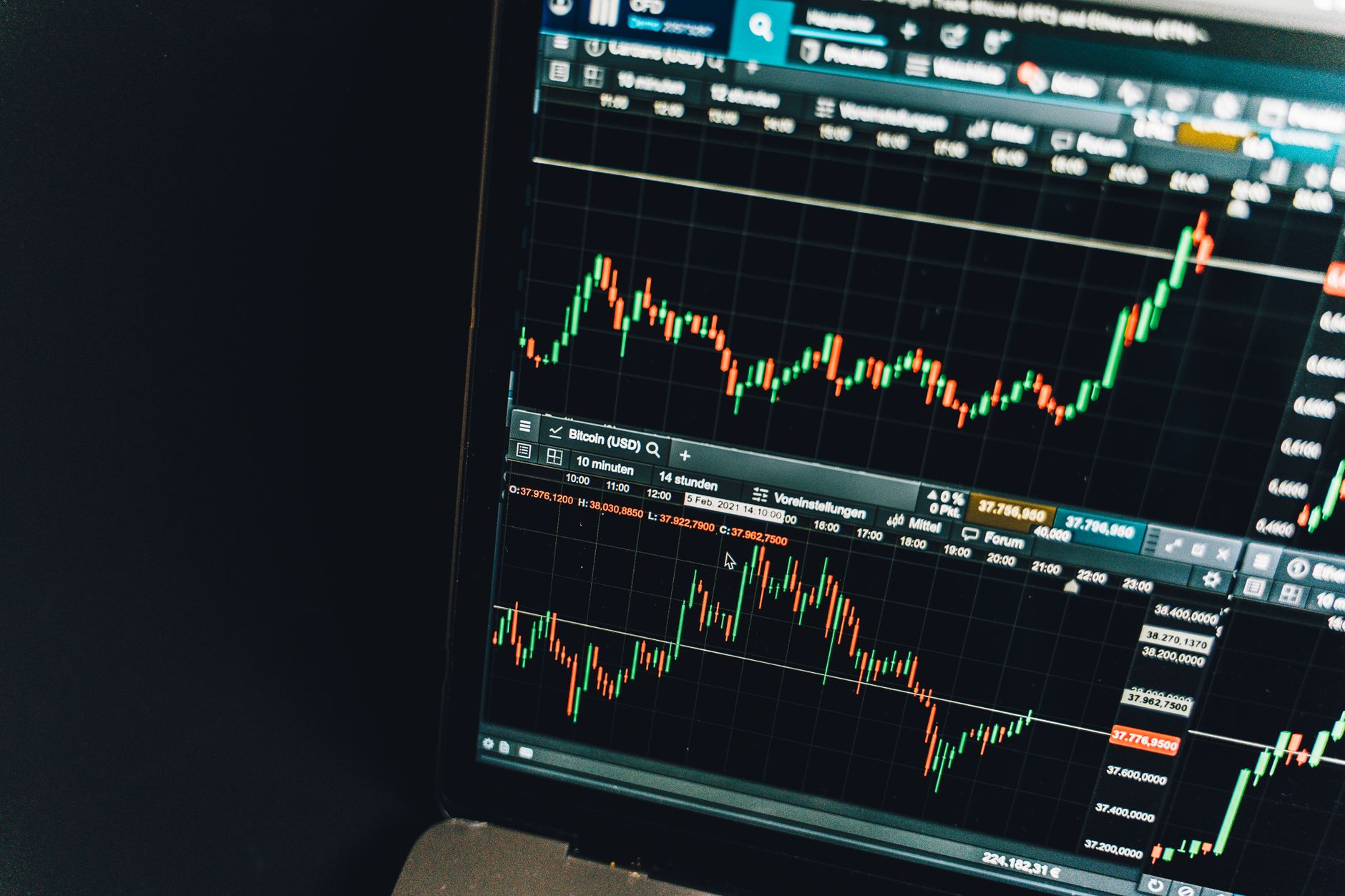
The South Korean stock market is currently experiencing a remarkable boom, with its value soaring by approximately 200% year-on-year. This meteoric rise is primarily attributed to the burgeoning interest in artificial intelligence (AI) technologies, particularly in the semiconductor sector. However, beneath this impressive growth lies a precarious balance, heavily reliant on a handful of companies and marred by extreme volatility. As investors flock to capitalize on the AI wave, the situation raises important questions about sustainability and the potential for a market correction.
Key Takeaways
- South Korea's stock market has surged nearly 200% year-on-year, driven by AI-related investments.
- The rally is largely concentrated in two companies, creating significant market risk.
- Extreme volatility has characterized the AI stock boom, suggesting potential instability.
- This situation serves as a warning to global investors about the dangers of speculative bubbles.
- Understanding the implications of this stock mania is crucial for future investment strategies.
Overview of Current Market Conditions
The South Korean stock market has become a focal point for investors, particularly those interested in AI technologies. Over the past year, shares in companies related to AI chips and semiconductors have skyrocketed, driven by the increasing demand for AI capabilities across industries. The excitement surrounding AI advancements has fueled a frenzy of investments in these sectors, leading to an astonishing market performance. However, this growth raises concerns about the sustainability of such a rapid increase.
Two major companies, which dominate the landscape, have primarily driven this AI stock rally. Their combined influence has led to a significant concentration of risk within the market. With the majority of investments funneled into these firms, the potential for a downturn becomes increasingly apparent, particularly if either company faces setbacks in production or technological advancements.
Why This Matters
The current state of South Korea's stock market is a microcosm of broader trends occurring globally in the tech sector. The AI boom is not confined to South Korea; it is a worldwide phenomenon that has led to increased investments in tech stocks, particularly those linked to AI and machine learning. The implications of South Korea's situation extend beyond its borders, offering cautionary lessons for investors everywhere.
Understanding the dynamics of this market surge can provide valuable insights into the behavior of tech stocks during periods of speculation. As companies rush to harness AI technology, investors may be tempted to overlook fundamental analyses, leading to inflated valuations. This phenomenon can create bubbles similar to the dot-com era in the late 1990s, where many companies saw their stock prices soar without solid business foundations.
Background and Context
The rise of AI has transformed industries ranging from healthcare to finance, and South Korea has positioned itself as a key player in this revolution. The country’s focus on technology and innovation, supported by government initiatives and substantial investments in research and development, has created fertile ground for AI advancements. In the semiconductor sector, companies have been pivotal in supplying the necessary hardware to support AI technologies, directly influencing their stock performance.
Historically, South Korea has been home to global leaders in semiconductor manufacturing. However, the shift towards AI has sparked renewed interest in these companies, as they adapt to meet the demands of a rapidly evolving technological landscape. This transformation has been accompanied by volatile stock movements, reflecting the speculative nature of the current market climate.
Expert Analysis
The current market situation in South Korea offers a compelling case study for analysts and investors alike. The staggering increase in stock prices invites scrutiny, particularly regarding the underlying fundamentals of the companies involved. The heavy reliance on a small number of firms raises concerns about systemic risk, as their fortunes are closely tied to the broader sentiment surrounding AI technologies.
Market analysts suggest that the rally may be driven more by speculation than by actual performance metrics. The excitement surrounding AI has led to a surge in retail investor participation, further inflating stock prices. Without clear indicators of profitability or sustainable growth, the market may be heading towards a correction, similar to previous tech bubbles. Investors must navigate this landscape with caution, balancing potential rewards against the risks of sudden downturns.
What This Means for Investors
For investors, the current situation in South Korea presents both opportunities and challenges. While the AI sector shows promise for future growth, the volatility and concentration of risk necessitate a more discerning approach to investment strategies. Diversification is crucial; investing solely in the two dominant companies may expose investors to significant losses if market conditions shift.
The lesson for investors is clear: conduct thorough research and avoid being swept up in the hype surrounding AI advancements. Fundamental analysis should not be neglected, even in a market driven by innovation. Investors should consider the long-term viability of companies, their technological capabilities, and their positions within the broader industry context.
Frequently Asked Questions
What factors are driving the AI stock boom in South Korea?
The AI stock boom in South Korea is primarily driven by increased demand for AI technologies across various sectors, leading to heightened investor interest in semiconductor companies that provide the necessary hardware.
Are the current stock prices sustainable?
Given the extreme volatility and heavy reliance on a few companies, many analysts suggest that current stock prices may not be sustainable in the long term. A correction could occur if market sentiment shifts.
What should investors consider before investing in AI stocks?
Investors should conduct thorough research, focusing on company fundamentals, market conditions, and the overall landscape of the AI sector. Diversification and a long-term perspective can mitigate risks associated with volatility.
How does the South Korean AI stock situation compare to previous tech bubbles?
Similar to previous tech bubbles, such as the dot-com boom, the current AI stock situation in South Korea reflects speculative behavior driven by excitement rather than solid fundamentals, raising concerns about a potential market correction.
The Road Ahead
Looking forward, the South Korean stock market’s reliance on a few key players poses an interesting dilemma for investors and policymakers alike. As the AI sector continues to evolve, there is an opportunity for a more balanced investment landscape to emerge. Companies that demonstrate sustainable growth and innovation will likely be favored in the long term, while those that cannot adapt may face significant challenges.
In conclusion, while the AI stock mania in South Korea offers enticing opportunities, it also serves as a critical warning about the dangers of market speculation. Investors must remain vigilant and informed to navigate the complexities of this rapidly changing environment successfully. Engaging with fundamental analyses and diversifying portfolios will be essential strategies for safeguarding investments as the AI revolution unfolds.