S&P 500 Rebounds: Analyzing Market Reactions and Future Trends
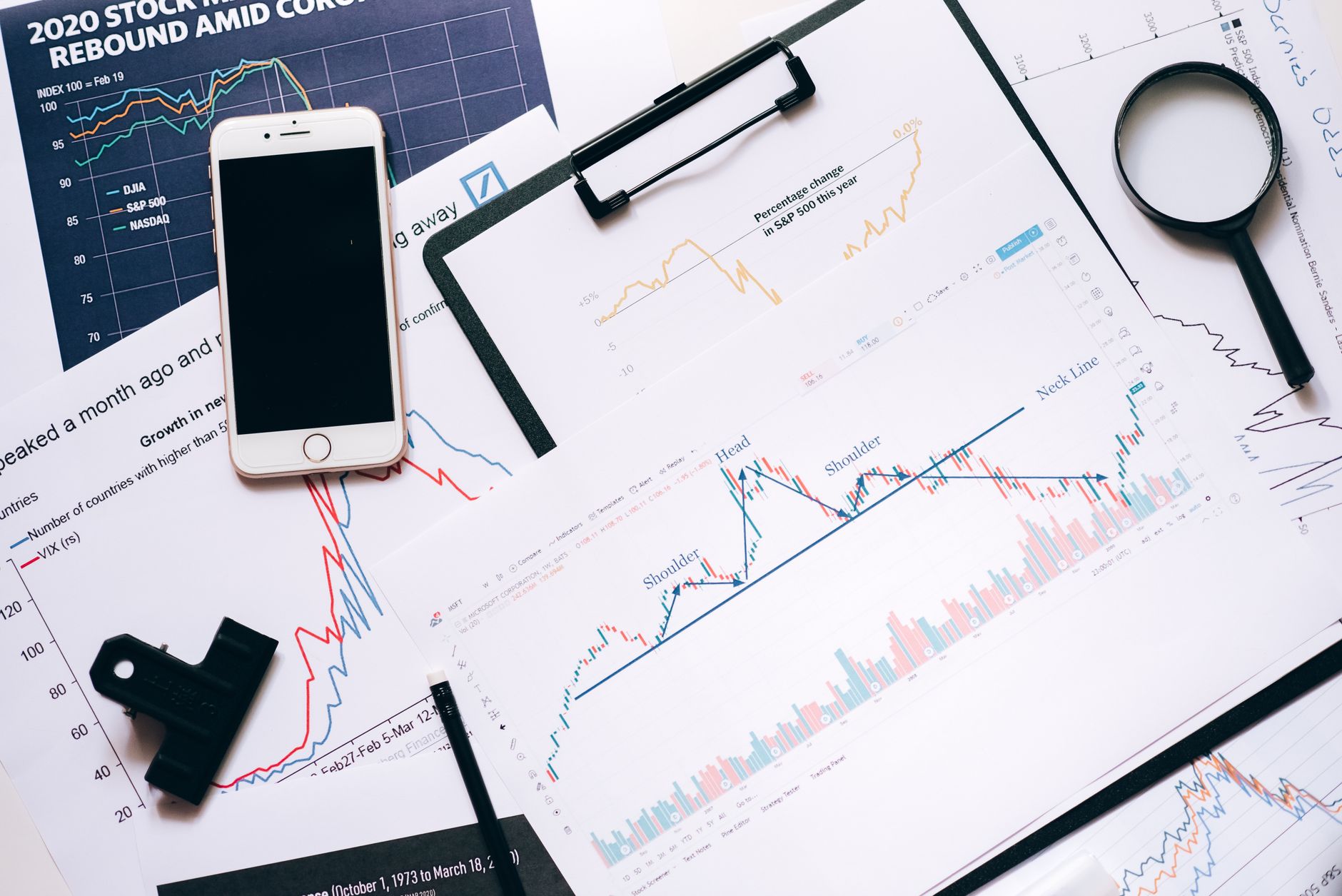
The recent fluctuations in the S&P 500 have investors on high alert, reflecting broader economic anxieties and sector-specific tensions. After four days of declines that left many questioning the resilience of the market, the S&P 500 saw a welcome rebound. This article dissects the contributing factors to this turnaround, examines the implications for various stakeholders, and projects what this means for the future.
Key Takeaways
- The S&P 500 halted a four-day decline, signaling a potential stabilization in the market.
- Economic indicators such as inflation rates and interest rates remain central to market performance.
- The involvement of industry leaders and experts on financial news platforms provides insights into market sentiment.
- Sector-specific trends are shaping investor decisions, particularly in technology, entertainment, and finance.
- Looking ahead, investors must navigate potential volatility as economic factors evolve.
Recent Market Movements
On June 26, 2026, the S&P 500 ended its four-day streak of losses, closing at a level that indicated a slight recovery from the preceding wave of sell-offs. This rebound came amid a backdrop of fluctuating economic indicators and rising uncertainty regarding monetary policy shifts. The previous four days had seen the index drop due to concerns over rising inflation, increasing interest rates, and geopolitical tensions that were beginning to weigh heavily on investor sentiment.
The trading day featured discussions with notable figures from various industries, including Tom Rothman, Chairman & CEO of Sony Pictures Entertainment, and Campbell Brown, Co-Founder & CEO of Forum AI. These discussions highlighted how different sectors are responding to current economic conditions. Rothman’s insights into the entertainment industry, for instance, underscored the challenges faced by that sector in a market increasingly driven by digital consumption and fluctuating consumer spending.
Overall, the market's uptick was bolstered by a combination of factors, including a slight easing of inflation fears following recent government reports, which suggested that inflation rates might be stabilizing. This contributed to a temporary sense of relief among traders and investors, who were searching for signs of a more predictable economic environment.
Why This Matters
Understanding the implications of the S&P 500's recent movements is crucial for various stakeholders, including retail investors, institutional investors, and policymakers. For retail investors, the halting of the downward trend signals a potential buying opportunity, but caution is warranted. The factors driving the market's fluctuations are complex, and a single optimistic day does not negate the underlying concerns that prompted previous sell-offs.
For institutional investors and fund managers, the insights provided by industry leaders on platforms like Bloomberg Technology are invaluable. These discussions help to shape investment strategies and anticipate market trends. The presence of experts like Afsaneh Beschloss, Founder & CEO of RockCreek, adds a layer of analysis that can influence fund allocations and performance assessments.
Finally, for policymakers, the market's response serves as a barometer for public sentiment and economic health. A stable or recovering stock market can lead to increased consumer confidence, which in turn can stimulate spending and investment. Conversely, persistent volatility can lead to caution among consumers and businesses alike, potentially stalling economic growth.
Background and Context
Over the years, the S&P 500 has been a critical indicator of the U.S. economy's health, reflecting the performance of 500 of the largest publicly traded companies. Its fluctuations are often driven by a myriad of factors, including earnings reports, economic data releases, and geopolitical events. The recent drop prior to the rebound was exacerbated by a confluence of factors, including persistent inflation, rising interest rates, and fears of an impending recession.
Historically, periods of instability in the S&P 500 have often coincided with shifts in Federal Reserve policy, particularly regarding interest rates. As the Fed continues to navigate a post-pandemic economy, its decisions will have lasting impacts on market performance. The central bank's approach to managing inflation has included rate hikes, which can dampen borrowing and spending, contributing to a more jittery market.
Expert Analysis
Analyzing the recent movements of the S&P 500 requires a nuanced understanding of market psychology and the current economic landscape. The rebound, while positive, raises questions about its sustainability. Analysts point to several key indicators that could either propel the market upward or lead to renewed volatility.
One crucial factor is the ongoing inflation narrative. While recent data suggested a potential easing of inflation rates, many analysts caution against complacency. Inflation remains a complex issue influenced by global supply chain disruptions, labor market dynamics, and energy prices. Should inflation rates begin to rise again, the Fed may be prompted to raise interest rates further, which could negatively impact market performance.
Additionally, sector-specific dynamics are essential to consider. The technology sector, for instance, has been experiencing significant shifts as companies adapt to changing consumer behaviors and regulatory environments. The commentary from industry experts like Campbell Brown highlights how innovation and adaptation are keys to survival in this rapidly evolving landscape. As companies pivot towards AI and digital solutions, their performance can significantly impact the overall index.
What This Means for Investors
For investors, the recent rebound in the S&P 500 offers both opportunities and challenges. Short-term traders may see this as a chance to capitalize on momentum, particularly if they believe the market can maintain upward momentum. However, long-term investors must carefully assess their portfolios in light of ongoing economic uncertainty.
Investors should also consider diversifying their portfolios to mitigate risks associated with sector-specific downturns. Industries like technology and entertainment may offer innovative growth opportunities, but they also carry inherent risks related to market volatility and changing consumer preferences. As such, a balanced approach that includes defensive stocks alongside growth-oriented investments may be prudent.
Frequently Asked Questions
What caused the S&P 500 to rebound after four days of decline?
The recent rebound was attributed to easing inflation fears and positive economic indicators that provided a temporary sense of stability. Discussions with industry experts also contributed to a more optimistic outlook among investors.
How do interest rates impact the S&P 500?
Interest rates affect borrowing costs for consumers and businesses. When rates rise, it can dampen spending and investment, leading to lower corporate earnings, which can negatively impact the S&P 500.
Why is sector-specific analysis important for investors?
Different sectors respond uniquely to economic conditions. Understanding these dynamics helps investors make informed decisions about where to allocate resources and how to mitigate risks associated with market fluctuations.
What should investors be cautious about moving forward?
Investors should be wary of potential volatility due to ongoing inflation concerns and shifts in Federal Reserve policy. It's essential to consider the broader economic context and maintain a diversified portfolio.
The Road Ahead
Looking ahead, the trajectory of the S&P 500 will likely hinge on a combination of economic indicators and geopolitical developments. As the Federal Reserve continues to manage interest rates in response to inflation, investors must remain agile, prepared to adapt their strategies as new data emerges.
The ongoing discussions among industry experts about the future of sectors like technology and entertainment will provide valuable insights into market dynamics. As companies innovate and adapt to changing consumer preferences, their performance will significantly influence overall market health. Investors who stay informed and flexible will be best positioned to navigate the challenges and opportunities that lie ahead.