Supermicro's Taiwan Offices Raided: Implications of Chip Smuggling Probe
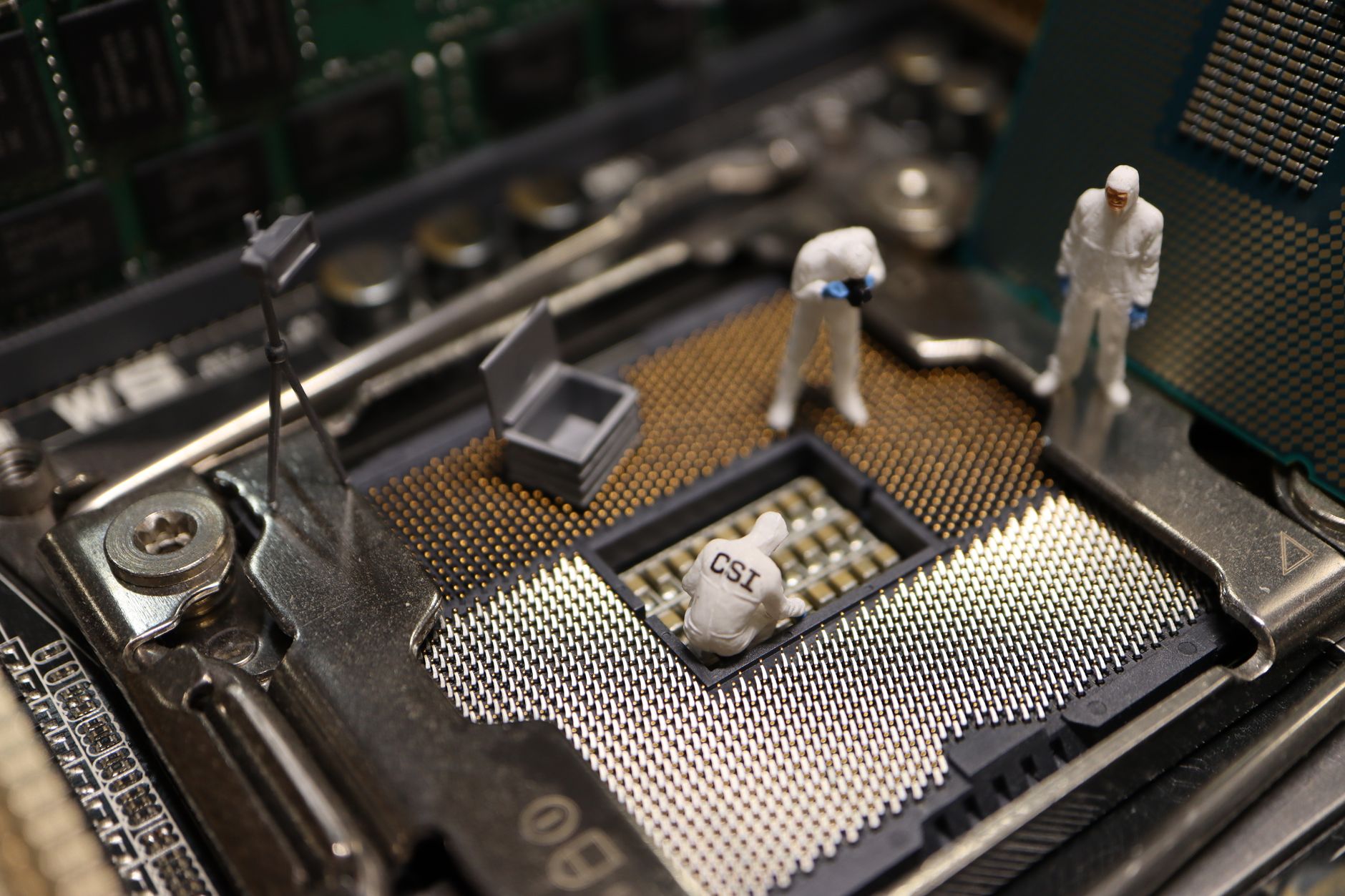
The recent raid on Supermicro's offices in Taiwan has sent ripples through the semiconductor and server manufacturing sectors. With shares dropping nearly 8% following the news of a chip smuggling investigation, the implications of this incident extend far beyond the company itself. In an industry already grappling with supply chain challenges, regulatory pressures, and geopolitical tensions, understanding the deeper ramifications of this investigation is crucial for stakeholders.
Key Takeaways
- Supermicro's Taiwan offices were raided as part of a chip smuggling probe.
- The investigation has led to an 8% drop in the company's stock price.
- This incident highlights ongoing issues surrounding supply chain integrity in the semiconductor industry.
- Potential implications for regulatory scrutiny and compliance for tech companies.
- Broader impacts on investor confidence in the tech sector amidst geopolitical tensions.
What Happened?
Supermicro, a prominent player in the server manufacturing arena, found itself under scrutiny when Taiwanese authorities raided its offices as part of a crackdown on alleged chip smuggling activities. This action comes amidst growing concerns about the integrity of semiconductor supply chains, particularly given the heightened geopolitical tensions surrounding technology exports and national security.
The raid was reportedly triggered by suspicions that the company may have engaged in illicit activities related to the procurement and distribution of semiconductor chips. The investigation highlights ongoing vulnerabilities within the tech supply chain, where companies are often under pressure to meet increasing demands while navigating complex regulations.
As a direct consequence of the raid, Supermicro's shares plummeted approximately 8% in value. This stock market reaction underscores investor anxiety about the potential fallout from regulatory issues and the impact on the company’s operations and reputation.
Why This Matters
The implications of the raid extend far beyond Supermicro itself. The semiconductor industry has long been a focal point of national security discussions, especially in the context of U.S.-China relations. Companies operating in this space are increasingly finding themselves entangled in a web of regulations aimed at ensuring compliance with export controls and preventing the proliferation of technology to entities deemed a threat.
Moreover, the investigation raises questions about the overall integrity of the semiconductor supply chain. As companies like Supermicro innovate and push the boundaries of technology, the risks associated with sourcing and distributing chips become more pronounced. The disruption caused by such investigations can lead to significant delays in production and delivery timelines, compounding challenges that many companies are already facing in a post-pandemic world.
Background and Context
The semiconductor industry has experienced unprecedented growth over the past decade, driven by the proliferation of digital technologies. However, this growth has also attracted scrutiny from regulatory bodies worldwide. The complexities of international trade, especially concerning high-tech components, have led to an environment where compliance is paramount.
Supermicro has been a significant player in this space, known for its high-performance server solutions and commitment to innovation. However, the company's reputation now hangs in the balance as it faces allegations that could tarnish its standing in the industry. This incident is a stark reminder of the delicate balance companies must maintain between operational demands and compliance with increasingly stringent regulations.
Expert Analysis
The raid on Supermicro's offices can be viewed as a wake-up call for the entire tech industry. Experts suggest that this incident reflects a growing trend of regulatory crackdowns aimed at ensuring that companies adhere to export controls and other compliance standards. The semiconductor industry is particularly vulnerable, as it operates at the intersection of technology and national security.
In an increasingly complex geopolitical landscape, companies cannot afford to overlook compliance. The pressure to deliver products quickly can lead to shortcuts that may ultimately jeopardize a company's reputation. Supermicro's situation may serve as a cautionary tale for other firms in the tech sector, highlighting the risks associated with non-compliance.
Furthermore, the investigation could lead to a broader discussion about the need for enhanced regulatory frameworks that address the unique challenges posed by the semiconductor supply chain. Experts advocate for proactive measures that can help companies navigate compliance while still driving innovation.
What This Means for the Semiconductor Industry
The ramifications of the Supermicro investigation are likely to reverberate throughout the semiconductor industry. For investors, the incident raises concerns about the potential for increased regulatory scrutiny across the board. Companies may need to reevaluate their compliance strategies and invest in robust systems to ensure adherence to regulations.
Moreover, the incident could lead to a ripple effect, where other companies in the sector may become more cautious in their operations. Increased diligence regarding compliance may result in longer lead times for product development and delivery, creating challenges for companies striving to meet market demands in a fast-paced environment.
For consumers and businesses relying on semiconductor products, the investigation may lead to higher costs as companies factor in the expenses associated with compliance and potential disruptions in supply chains. The delicate balance of supply and demand in the semiconductor market will be further tested as companies navigate the fallout from these developments.
Frequently Asked Questions
What exactly is Supermicro being investigated for?
Supermicro is under investigation for alleged chip smuggling activities, which involve suspicions of illicit procurement and distribution of semiconductor chips.
How has the market reacted to the news of the investigation?
Following the announcement of the raid, Supermicro's shares fell approximately 8%, reflecting investor concerns about the implications of the investigation on the company's operations and reputation.
What are the broader implications for the semiconductor industry?
The investigation could lead to increased regulatory scrutiny across the semiconductor sector, prompting companies to enhance their compliance strategies and potentially resulting in longer lead times for product delivery.
Could this incident affect supply chain integrity?
Yes, the ongoing investigation may disrupt supply chains as companies reassess their operations and compliance measures, leading to potential delays and increased costs for consumers and businesses.
The Road Ahead
As the investigation unfolds, Supermicro and the semiconductor industry at large must navigate a complex landscape marked by regulatory pressures and geopolitical tensions. The outcomes of this probe could set precedents for how tech companies handle compliance issues moving forward. Companies will likely be compelled to invest in compliance infrastructure, potentially reshaping operational strategies to prioritize adherence to regulations.
Looking ahead, stakeholders must remain vigilant about the evolving landscape of the semiconductor industry. The fallout from the Supermicro investigation may serve as a catalyst for broader discussions about compliance, supply chain integrity, and the future of technology in a world where national security concerns are increasingly intertwined with business operations. As companies adapt to these challenges, the focus on sustainable and compliant practices will become paramount for long-term success.