Thriving in the Hybrid A.I.-Human Workforce: Strategies for Success

As artificial intelligence (AI) continues its rapid evolution, the landscape of the workforce is undergoing a seismic shift. The question on everyone's mind is no longer whether AI will take over jobs, but rather how humans and machines will work together in a hybrid workforce. A panel of experts recently convened to discuss how job seekers can thrive in this new reality, offering insights that are not only timely but also essential for anyone looking to navigate the future of work.
Key Takeaways
- Experts emphasize adaptability, continuous learning, and emotional intelligence as key skills for success in a hybrid work environment.
- The integration of AI technologies into workplaces is redefining roles, requiring workers to embrace new tools and processes.
- Human skills, particularly those that machines cannot replicate, will become increasingly valuable in the job market.
- Networking and collaboration are crucial for job seekers to create opportunities in an evolving landscape.
- Companies are looking for candidates who can complement AI systems, making creativity and problem-solving essential skills.
Understanding the Hybrid A.I.-Human Workforce
The integration of AI into various sectors is not just a passing trend; it is a fundamental shift that is reshaping job roles and expectations. As AI technologies become more sophisticated, they are increasingly capable of handling tasks that were once solely the domain of human workers. This includes everything from data analysis and customer service to complex decision-making processes. The implications for job seekers are significant. In this evolving landscape, understanding how to leverage both human skills and AI capabilities will be essential for career advancement.
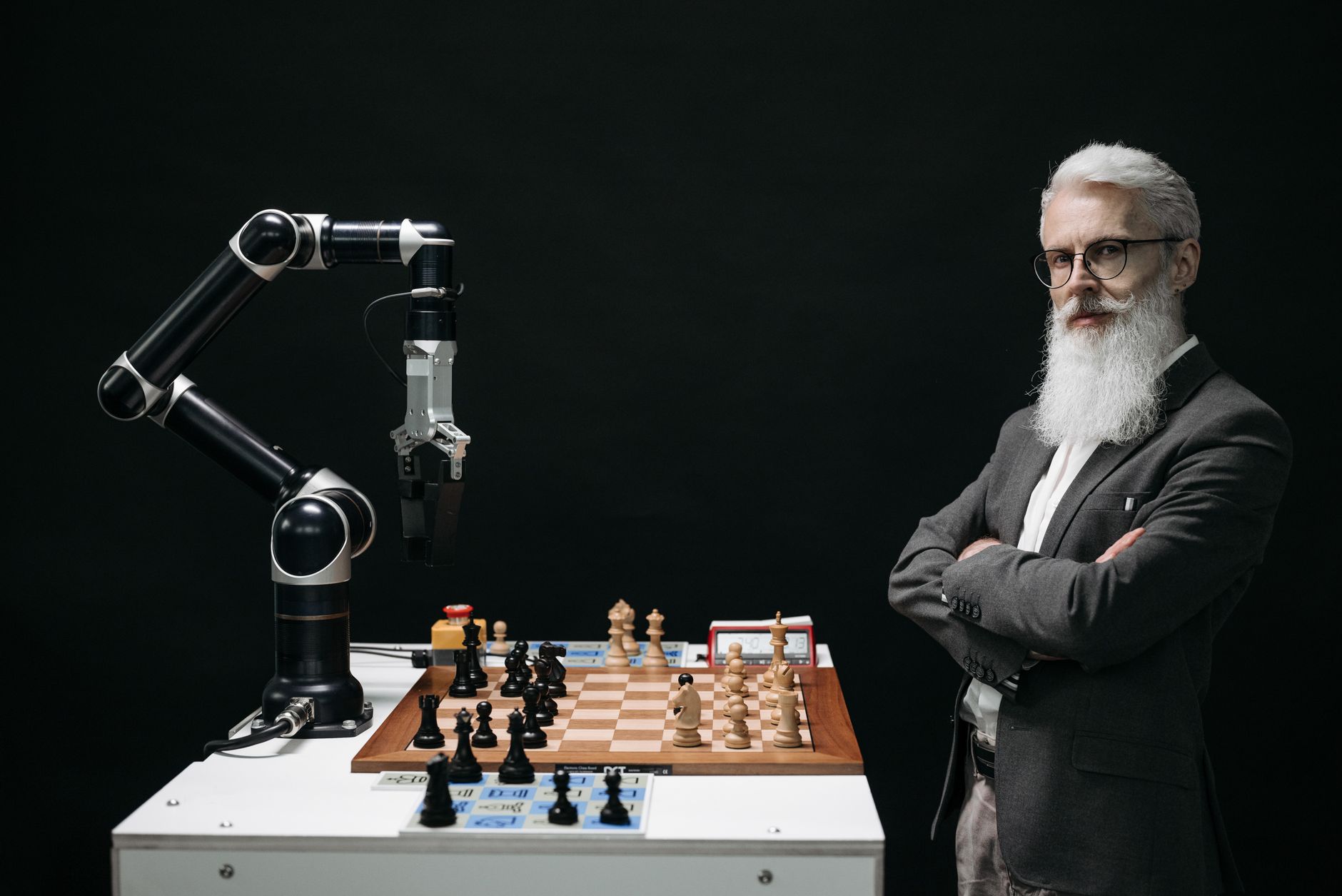
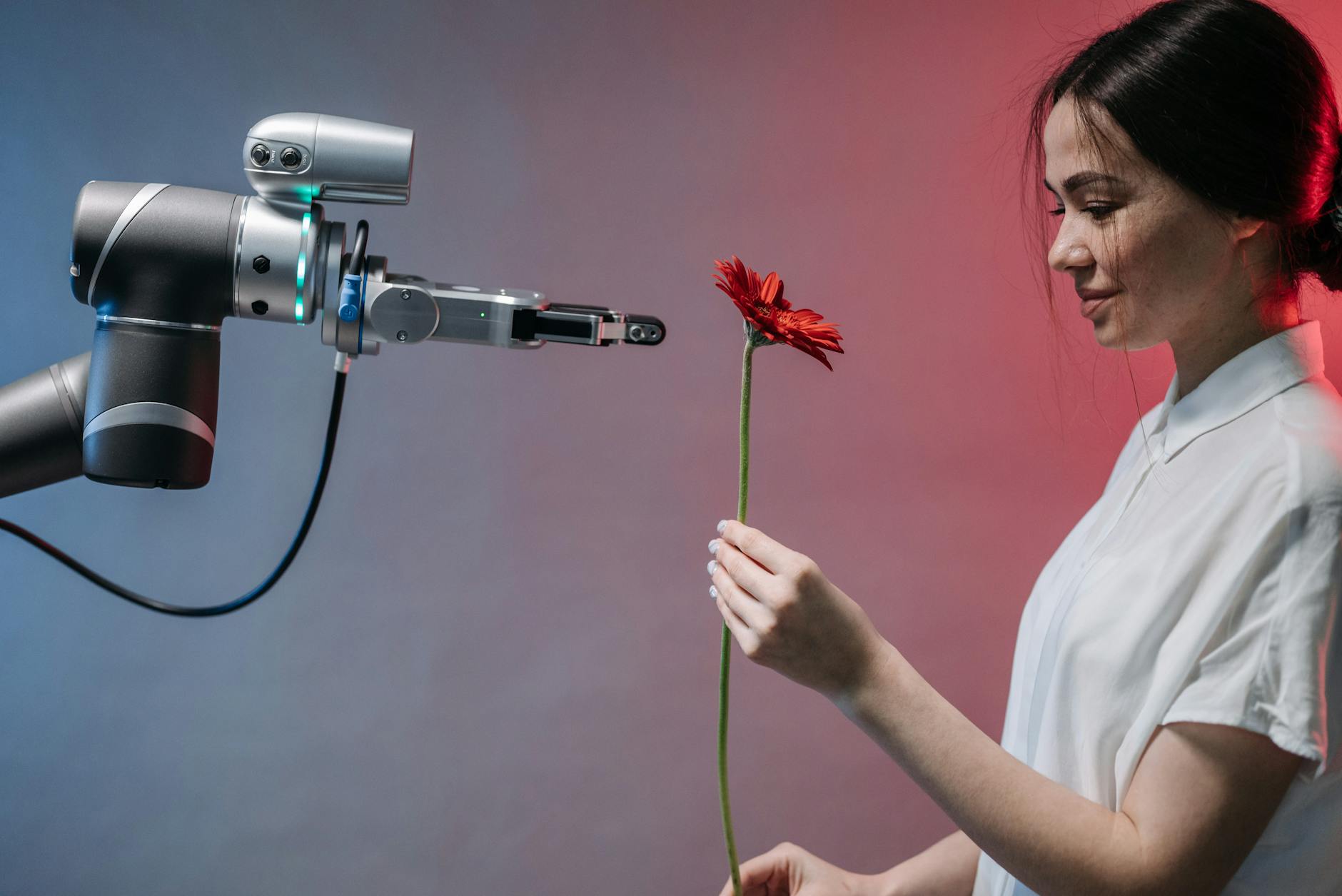
During a recent panel discussion, experts from various fields provided insights into how job seekers can prepare for this new working environment. The general consensus was that while AI will indeed replace certain jobs, it will also create new opportunities for those willing to adapt. The panelists highlighted that the future of work is not about competing with machines but rather about collaborating with them to enhance productivity and innovation.
Why This Matters
The implications of a hybrid workforce extend beyond individual job seekers; they resonate throughout entire industries and economies. As AI continues to automate routine tasks, businesses will increasingly seek employees who can perform complex problem-solving, creative thinking, and interpersonal communication—skills that AI cannot easily replicate. This shift emphasizes the importance of human-centric capabilities in the job market.
Moreover, the integration of AI into workplaces can lead to improved efficiency and productivity. Companies that effectively harness AI tools can gain a competitive edge, leading to growth and job creation in sectors that are able to innovate and adapt. Understanding this dynamic is crucial for job seekers who must position themselves as valuable assets in a landscape where their roles are being redefined.
Background and Context
The conversation around AI in the workforce is not new, but it has gained urgency as technological advancements accelerate. Historically, each wave of technological change—from the Industrial Revolution to the digital age—has brought about fears of job displacement. Yet, history also shows that new technologies create new roles and opportunities. For example, the rise of computers led to the emergence of IT jobs, data analysis roles, and tech support positions that did not exist before.
As AI capabilities expand, so too does the range of jobs that require a blend of human intuition and machine efficiency. For instance, roles in healthcare, education, and customer service are being transformed by AI technologies that assist with data management, diagnosis, and personalization of services. Recognizing these changes is crucial for job seekers who must not only understand the current landscape but also anticipate future needs.
Expert Analysis
Experts agree that the ability to adapt and learn continuously will be a defining factor for success in the hybrid workforce. This involves embracing lifelong learning, which may include formal education, online courses, and on-the-job training. For many, this means shifting from a traditional understanding of career development—where one might stay in a single field or role for years—to a more dynamic approach where skills and knowledge must be constantly updated.
Emotional intelligence is another critical skill that the panelists emphasized. In an era where AI can analyze data faster than humans, the ability to connect with others on an emotional level becomes a key differentiator. This includes skills such as empathy, active listening, and conflict resolution, which are increasingly valued in workplaces where collaboration is paramount.
Moreover, creativity and problem-solving are essential in a hybrid environment. Job seekers should focus on developing their creative thinking abilities, as these skills will enable them to approach challenges in innovative ways. The integration of AI in tasks means that workers must not only execute their responsibilities but also contribute to the strategic direction of their teams and organizations.
What This Means for Job Seekers
For job seekers, the shift towards a hybrid workforce presents both challenges and opportunities. Understanding the skills that will be in demand is crucial. Those looking to enter the job market or switch careers should prioritize developing skills that complement AI technologies rather than compete with them. This includes honing technical skills related to AI and data analysis, as well as soft skills that enhance collaboration and creativity.
Networking plays a vital role in navigating this new landscape. Job seekers should actively engage in professional communities, attend industry conferences, and participate in online forums where they can connect with others in their field. Building a strong professional network can open doors to job opportunities that may not be advertised publicly.
Frequently Asked Questions
What skills should I develop to thrive in a hybrid workforce?
Focus on developing a blend of technical skills related to AI and data management, alongside soft skills like emotional intelligence, creativity, and problem-solving abilities.
How can I stay relevant in my career as AI technology evolves?
Commit to lifelong learning through courses, workshops, and on-the-job training. Stay updated on industry trends and be open to adapting your skills as needed.
Are there specific industries that will benefit most from a hybrid workforce?
Industries such as healthcare, education, finance, and technology are likely to see significant benefits from AI integration, creating new roles that require both human and AI collaboration.
How important is networking in the context of AI and job searching?
Networking is crucial as it provides opportunities for job seekers to connect with industry professionals and discover unadvertised job openings, enhancing their chances of employment.
The Road Ahead
As we look to the future, the hybrid A.I.-human workforce will continue to evolve, presenting new challenges and opportunities for job seekers. Organizations that embrace this change and invest in their workforce will be better positioned to thrive in the competitive marketplace. For individuals, the key will be to remain agile and proactive in their career development, continuously seeking out new learning experiences and adapting to the shifting demands of their industries.
Ultimately, the successful integration of AI into the workforce will depend on the ability of both individuals and organizations to foster a culture of collaboration and innovation. By prioritizing human-centric skills and embracing the potential of AI, we can create a future where both humans and machines work together to drive progress and productivity.