The Rise of Advanced Chip Packaging: A Critical AI Choke Point
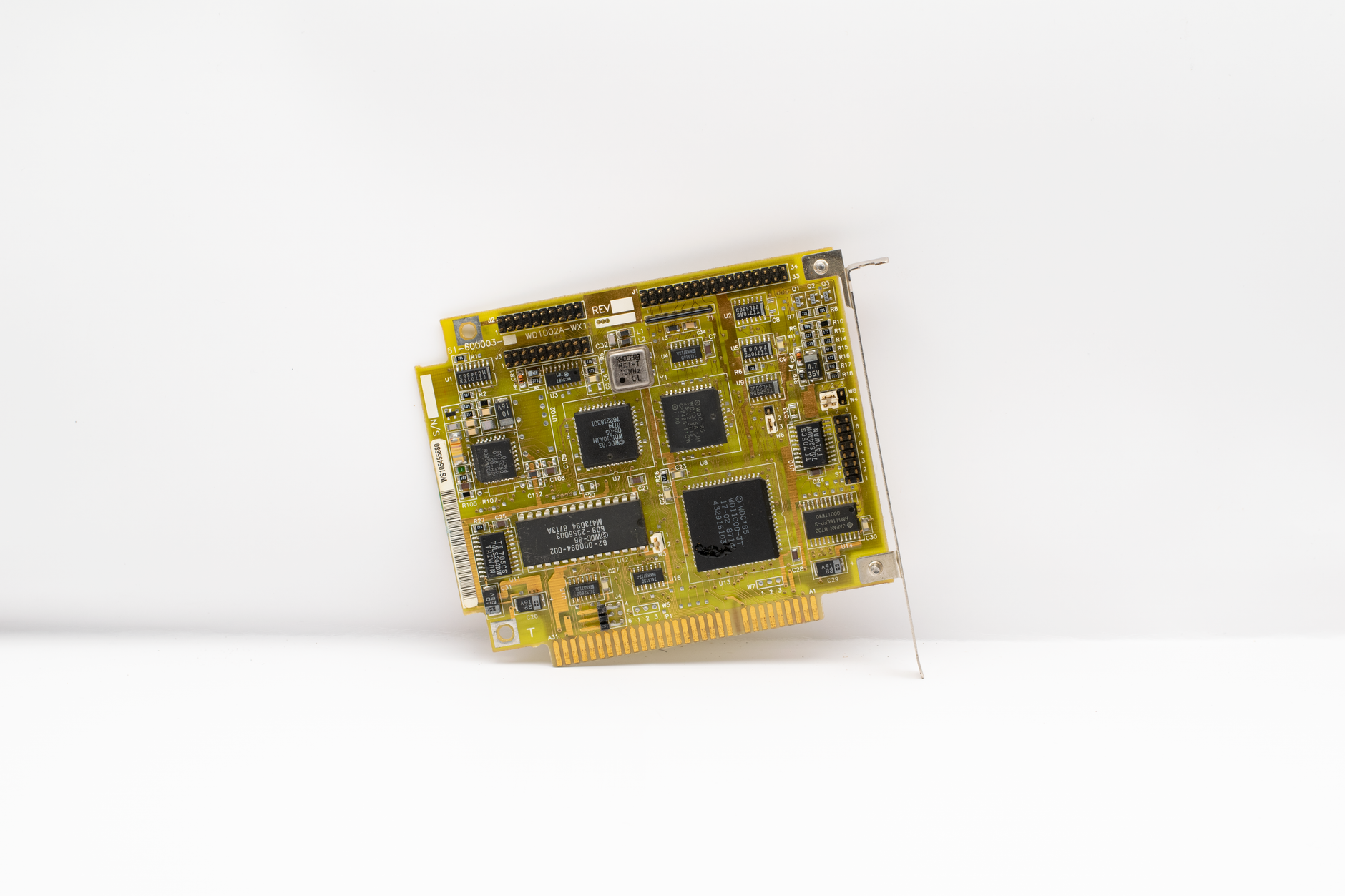
In recent years, the intricate world of semiconductor technology has shifted dramatically, particularly with the rise of advanced chip packaging. This niche technology is not just a technical marvel; it has become a crucial factor in the global AI landscape, underscoring the growing dependency of the United States on Taiwan's semiconductor industry. This article unpacks the implications of this burgeoning relationship and what it means for the future of AI development.
Key Takeaways
- Advanced chip packaging enhances the computational power of AI systems.
- The U.S. has become increasingly reliant on Taiwan for semiconductor technologies.
- Technological advancements in chip packaging are critical for maintaining competitive advantages in AI.
- Potential geopolitical tensions could disrupt supply chains and impact the AI industry.
- Strategic investments and collaborations are necessary for the U.S. to boost its semiconductor capabilities.
Understanding the Technology: What Happened?
The recent advancements in **advanced chip packaging** represent a significant leap forward in semiconductor technology. This method involves a sophisticated process that encapsulates chips in a manner that not only improves their efficiency but also significantly enhances their performance. By allowing multiple chips to communicate more effectively, advanced chip packaging has become essential for the demands of artificial intelligence workloads.
As the AI field expands, the requirement for more powerful and efficient computing resources has surged. Traditional chip designs are struggling to keep pace with the need for speed, efficiency, and capability that AI applications demand. Hence, advanced chip packaging has emerged as a solution, enabling chips to perform complex computations faster and with reduced energy consumption.
This set of technological developments has led to a stark reality: the United States is more reliant on Taiwan than ever before. Taiwan Semiconductor Manufacturing Company (TSMC) is at the forefront of this technology, dominating the advanced chip packaging market. This reliance raises questions about the security and stability of supply chains, particularly in light of ongoing geopolitical tensions in the Taiwan Strait.
Why This Matters
The implications of increased reliance on Taiwan for advanced chip packaging are vast. For one, it underscores the strategic importance of semiconductor technology in national security discussions. The U.S. has identified semiconductors as a critical technology, and the supply chain dynamics put Taiwan in a powerful position.
The U.S. is not merely facing a technological challenge; it is navigating a geopolitical minefield. As Taiwan faces increasing pressure from China, the potential for disruption in the semiconductor supply chain looms large. This situation could lead to delays in AI advancements, affecting industries ranging from healthcare to automotive, which depend heavily on AI-driven technologies.
Furthermore, the growing dependency on TSMC for advanced chip packaging can stifle innovation within the U.S. semiconductor industry. While companies like Intel and AMD are advancing their chip designs, the lack of investment and focus on advanced packaging technologies in the U.S. creates a vulnerability. Without a robust domestic alternative, the U.S. risks falling behind in the global race for AI dominance.
Background and Context
The semiconductor industry has long been recognized as the backbone of modern technology. Over the past few decades, advancements in chip manufacturing processes have spurred innovation across various sectors. However, the increasing complexity of AI technologies demands not only powerful chips but also advanced ways to package and integrate them effectively.
Historically, the U.S. led the world in semiconductor manufacturing, with companies like Intel and Texas Instruments pioneering breakthroughs in chip design. Yet, over the last two decades, a shift occurred as production moved overseas, particularly to Taiwan and South Korea. Factors such as lower production costs and specialized manufacturing capabilities have propelled these regions to the forefront of semiconductor production.
Expert Analysis
Analyzing the current landscape of advanced chip packaging reveals a nuanced set of challenges and opportunities for the U.S. AI industry. The technological advancements in packaging have provided a significant advantage for TSMC, enabling it to deliver superior products that enhance the performance of AI applications.
This technology allows companies to create more compact and efficient designs that are essential for the burgeoning AI market, where miniaturization and power efficiency are critical. For instance, Apple’s M1 chip, which has been lauded for its efficiency and performance, leverages advanced packaging techniques pioneered by TSMC. Such innovations have allowed Apple to maintain a competitive edge in the market.
However, the reliance on TSMC also creates a risk profile for U.S. companies. For instance, if geopolitical tensions were to escalate, companies operating in the U.S. could face supply chain disruptions, causing delays in product launches and escalating costs. This situation is exacerbated by the fact that many U.S. companies do not have the immediate capability to switch suppliers or develop equivalent technologies domestically.
Moreover, the U.S. semiconductor industry must grapple with the pace of innovation. As companies like TSMC push the boundaries of what is possible with advanced chip packaging, U.S. firms need to invest significantly in research and development to keep up. This requires not only financial investment but also a cultural shift in prioritizing innovation in packaging technology.
What This Means for AI Developers and Users
The implications of advanced chip packaging for AI developers and users are profound. For developers, leveraging technology from TSMC means accessing cutting-edge capabilities that can enhance AI models significantly. This can result in faster training times, more complex models, and better overall performance in AI applications.
For users, the impact is felt in the AI applications they rely on daily. From smarter virtual assistants to more efficient data processing systems, the advancements in chip performance directly translate to improved user experiences. Furthermore, as competition in the AI space heats up, companies that adopt these advanced technologies will likely dominate their respective markets.
However, this does not come without challenges. Developers need to be aware of the potential for supply chain issues and the implications of relying heavily on a single supplier. Building contingency plans and diversifying suppliers may become critical strategies for companies aiming to mitigate risks associated with geopolitical tensions.
Frequently Asked Questions
What is advanced chip packaging?
Advanced chip packaging is a technology that enhances the performance and efficiency of semiconductors by allowing multiple chips to communicate effectively and reducing energy consumption.
Why is the U.S. reliant on Taiwan for semiconductors?
The U.S. relies on Taiwan due to its advanced manufacturing capabilities, particularly through companies like TSMC, which dominate the market for cutting-edge semiconductor technologies.
How does advanced chip packaging affect AI development?
Advanced chip packaging boosts the computational power of chips, enabling faster processing and more complex AI models, which are essential for the evolving demands of AI applications.
What risks does this reliance pose to U.S. companies?
The primary risks include potential supply chain disruptions due to geopolitical tensions and the challenge of maintaining competitive technological advancements without a robust domestic semiconductor industry.
The Road Ahead
Looking forward, the landscape of semiconductor technology and advanced chip packaging will likely evolve significantly. The U.S. government, recognizing the critical nature of semiconductor technology, is beginning to invest heavily in domestic manufacturing capabilities. Initiatives like the CHIPS Act aim to bolster the U.S. semiconductor industry, encouraging innovation and reducing reliance on foreign suppliers.
For AI developers and businesses, the next few years will be pivotal. As the competition intensifies, those who can effectively leverage advancements in chip technology will have an edge. Collaboration between industry and government will be essential to cultivate a robust ecosystem that fosters innovation while addressing the challenges posed by reliance on foreign technology. This balance will be key to securing the future of AI development in the U.S.