AI Chemist Advances Medicinal Chemistry with Improved Reactions
In a remarkable fusion of artificial intelligence and chemistry, OpenAI has partnered with Molecule.one to develop a near-autonomous AI chemist, leveraging the capabilities of GPT-5.4. This innovative tool has significantly enhanced a critical reaction in medicinal chemistry, demonstrating the potential for AI to revolutionize drug development processes.
Key Takeaways
- OpenAI and Molecule.one have created an AI chemist that optimizes key drug-making reactions.
- The AI utilizes advanced algorithms to analyze and refine chemical processes in real-time.
- This technology promises to accelerate drug discovery and lower costs associated with medicinal chemistry.
- Increased efficiency in synthesizing compounds could lead to quicker development of life-saving medications.
- The collaboration represents a significant step toward integrating AI fully into scientific research and development.
What Happened?
The recent collaboration between OpenAI and Molecule.one has yielded a breakthrough in the field of medicinal chemistry by creating a near-autonomous AI chemist capable of improving crucial reactions. This development comes at a time when the pharmaceutical industry faces mounting pressure to accelerate drug discovery processes while minimizing costs and resources.
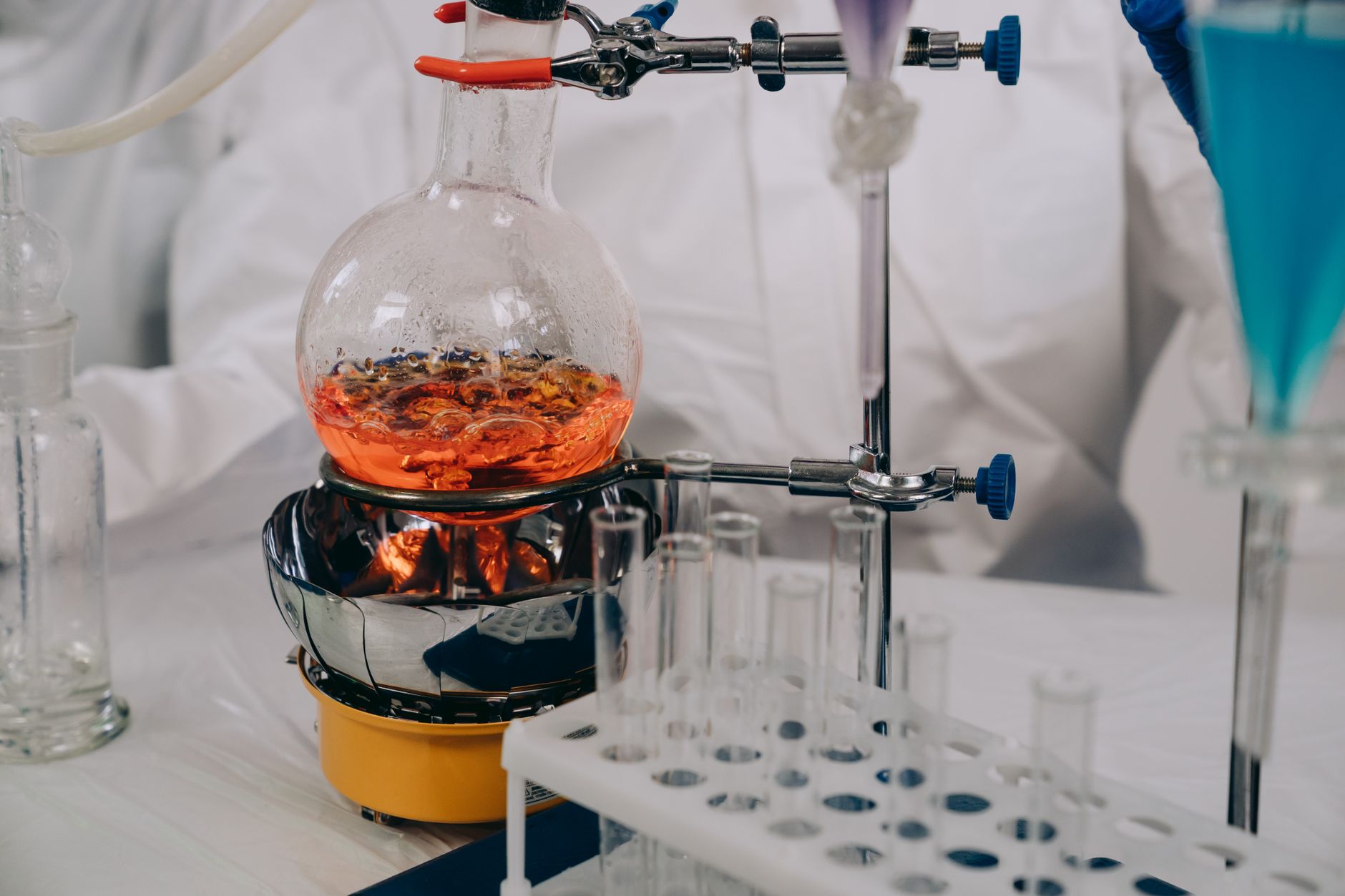
The AI chemist, powered by GPT-5.4, employs sophisticated machine learning algorithms to analyze existing chemical reactions and suggest optimizations. The focus of the initial phase of the project was on a specific reaction that is notoriously complex and often yields suboptimal results in traditional settings. By refining this reaction, the AI chemist not only improves efficiency but also enhances the quality of the compounds produced.
Why This Matters
The implications of this development are profound for the pharmaceutical industry. Drug discovery and development is an intricate and often lengthy process, with some estimates suggesting that it can take over a decade and cost billions to bring a new drug to market. The integration of AI into this process stands to disrupt traditional methodologies, offering significant time and cost savings.
Moreover, the ability of the AI chemist to operate autonomously means that chemists can focus on higher-level tasks that require human insight and experience, such as interpreting results and making strategic decisions. This shift not only enhances productivity but also fosters innovation within research teams, ultimately leading to more effective treatments reaching patients faster.
Background and Context
The pharmaceutical industry has long relied on human chemists to conduct experiments and synthesize compounds. While this approach has yielded countless breakthroughs, it is also fraught with challenges, including lengthy trial-and-error processes and the potential for human error. As the demand for new medications grows, so too does the need for more efficient methods of drug discovery.
AI technologies, particularly those utilizing machine learning, have emerged as a promising solution to these challenges. By analyzing vast datasets and recognizing patterns, AI can suggest optimizations that human chemists might overlook. The concept of an AI chemist is not entirely new, but the advancements brought forth by GPT-5.4 represent a significant leap in capability and reliability.
Expert Analysis
What sets this AI chemist apart from previous attempts is its near-autonomous nature, enabling it to not only suggest improvements but also execute them. The underlying technology, based on GPT-5.4, allows for real-time feedback and iterative learning, which are crucial for refining complex chemical processes. This capability is akin to having a skilled assistant who can learn from each experiment and progressively enhance the outcomes.
Furthermore, the AI chemist's ability to analyze large datasets from previous experiments means it can quickly identify successful reaction pathways and suggest alternative approaches when initial attempts do not meet desired criteria. This level of adaptability is essential in a field where conditions can vary widely based on numerous factors, including temperature, pressure, and the purity of reagents. By integrating AI into the workflow, researchers can achieve a level of precision and efficiency that was previously unattainable.
What This Means for Pharmaceutical Industry
For pharmaceutical companies, the deployment of AI chemists could signal a shift toward more data-driven approaches in drug development. The implications extend beyond mere efficiency gains; they encompass a fundamental change in how research teams approach problem-solving. With AI handling many of the repetitive aspects of experimentation, human chemists can dedicate more time to creative and strategic thinking.
Moreover, the cost reductions associated with accelerated drug discovery could democratize access to pharmaceuticals. Lower costs may enable smaller biotech firms to compete with larger corporations, fostering innovation across the board. As a result, we could witness a more diverse array of therapeutic options entering the market.
Frequently Asked Questions
How does the AI chemist improve drug-making reactions?
The AI chemist uses machine learning algorithms to analyze existing chemical reactions, identify inefficiencies, and suggest optimizations in real-time, leading to improved outcomes in drug synthesis.
What are the potential benefits of using AI in medicinal chemistry?
AI can accelerate the drug discovery process, reduce costs, enhance precision in experiments, and allow researchers to focus on higher-level tasks by automating repetitive aspects of chemistry.
What is GPT-5.4, and how does it relate to the AI chemist?
GPT-5.4 is the latest iteration of OpenAI's natural language processing model, which has been adapted to analyze and optimize chemical reactions, enabling the AI chemist to operate with enhanced efficiency and reliability.
How might this technology impact future drug development?
The integration of AI chemists into drug development could lead to faster discovery timelines, lower research costs, and a greater diversity of therapeutic options, ultimately benefiting patients and the healthcare system.
The Road Ahead
As the pharmaceutical industry embraces AI technologies like the near-autonomous chemist, the landscape of drug discovery is poised for transformative change. The potential for increased collaboration between human researchers and AI could lead to groundbreaking discoveries that were previously thought to be unattainable. With AI taking on a more prominent role, the future of medicinal chemistry looks promising.
Looking ahead, it will be imperative to monitor the ethical implications of AI in chemistry, particularly concerning data integrity, bias in algorithms, and the need for transparency in AI-driven processes. Ensuring responsible development and deployment of such technologies will be crucial in fostering trust and ensuring that the benefits of AI are realized across the healthcare sector.