How AI Empowered a Founder to Fight Cancer: Connor Christou's Journey
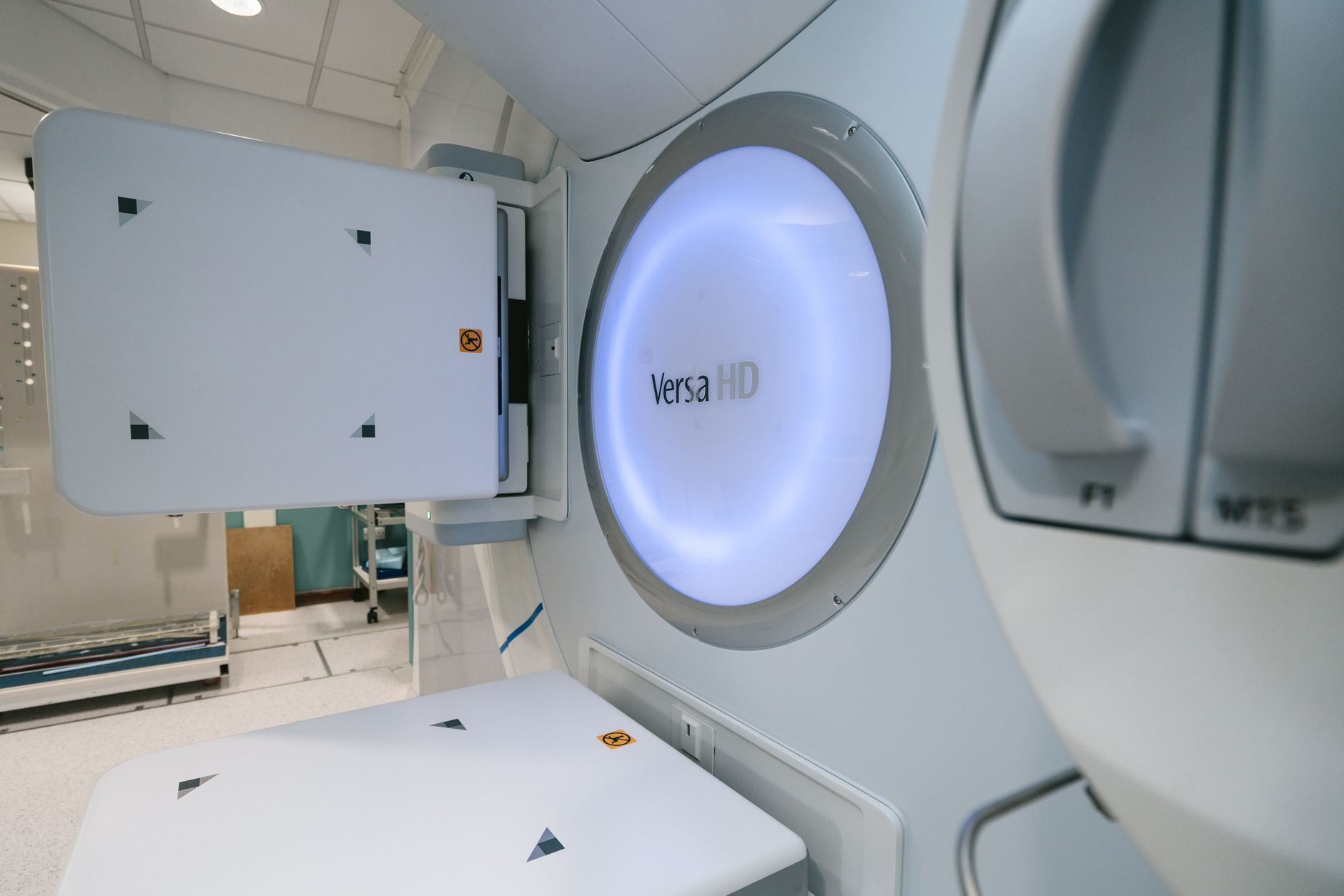
In a world where health and technology intertwine like never before, Connor Christou's story stands out as a beacon of resilience and innovation. Diagnosed with cancer, the fittest founder in the room turned to artificial intelligence to tailor his treatment and regain control over his health. His journey is not just a personal battle; it represents a significant shift in how technology can empower individuals facing severe health challenges.
Key Takeaways
- Connor Christou utilized AI to process a vast array of health data, enhancing his treatment strategy.
- The integration of personal health metrics into AI models may revolutionize personalized medicine.
- Christou's approach highlights the potential for AI to support mental resilience during health crises.
- Wearable technology and data analytics play a crucial role in empowering patients and driving informed health decisions.
- This case illustrates the intersection of entrepreneurship, health, and technology, pushing boundaries in both fields.
Connor Christou's Journey with Cancer
Connor Christou, a successful entrepreneur known for his dedication to fitness, faced an unexpected challenge that shook his world: a cancer diagnosis. Unlike many individuals who might find themselves overwhelmed by such news, Christou approached the situation with a unique strategy. Known for his disciplined lifestyle, he began to leverage AI to gain insights into his condition, hoping to optimize his treatment and management plan.
Upon receiving his diagnosis, Christou collected an extensive array of personal health data, including blood results, scan data, wearable technology readings, and journal entries documenting his physical and emotional state. This reservoir of information formed the backbone of his AI-assisted strategy. By feeding this data into Claude, a sophisticated AI model, he sought to uncover patterns and insights that could guide his healing journey.
The multifaceted nature of his data allowed Christou to explore various aspects of his health. For instance, his wearable devices tracked physical activity, heart rate, and sleep patterns, providing real-time insights into his body’s responses during treatment. The AI's ability to process and analyze this information became a game-changer, enabling him to shift from a reactive to a proactive stance in managing his health.
Why This Matters
The implications of Connor Christou's story extend far beyond his personal experience. As the healthcare landscape evolves, the integration of AI into patient care is becoming increasingly significant. Christou's approach exemplifies a growing trend where patients are not just passive recipients of medical advice but active participants in their health management. This shift is vital in the realm of personalized medicine, where treatments can be tailored to individuals based on comprehensive data analysis.
Moreover, Christou's journey sheds light on the mental health aspect of dealing with severe illness. The psychological burden of a cancer diagnosis can be immense, and leveraging AI may provide not only data-driven insights but also emotional support. By using technology to inform his decisions and track his progress, Christou maintained a sense of control, which is crucial for mental resilience during such difficult times.
As healthcare systems continue to grapple with increasing patient numbers and the complexities of individual health needs, the role of AI becomes even more critical. Christou’s case highlights how technology can fill gaps in traditional healthcare, providing personalized insights that enhance treatment plans. This potential for innovation may drive a new era of healthcare, where AI becomes a standard tool for patient empowerment.
Background and Context
The intersection of artificial intelligence and healthcare is not a new concept, but it is one that has gained traction over the past decade. With advancements in machine learning and data analytics, AI technologies have begun to revolutionize various aspects of medicine, from diagnostics to treatment planning. The ability to analyze vast amounts of data quickly and accurately allows healthcare providers to offer more personalized care than ever before.
Wearable technology, in particular, has seen explosive growth. Devices like fitness trackers and smartwatches collect health data continuously, providing insights into user behavior and physiological responses. This real-time data collection is invaluable for individuals managing chronic conditions or undergoing treatment, as it enables them to monitor their health continuously and make informed decisions.
Expert Analysis
Christou's use of AI to manage his cancer treatment represents a convergence of technology and personal health management that could redefine patient care. By inputting various forms of health data into Claude, he was able to receive tailored analyses that traditional medical consultations may not provide. This capability showcases a critical advantage of AI: its ability to process complex data sets and deliver insights that are nuanced and individualized.
The implications of this are profound. In many cases, cancer treatments can be standardized based on general protocols, which may not always account for individual variances in patient health, lifestyle, or response to treatment. By using AI to analyze personal health data, Christou was able to identify specific factors that influenced his health outcomes, leading to a more tailored and effective treatment strategy.
Furthermore, this approach emphasizes the importance of data literacy among patients. Understanding how to collect, interpret, and utilize health data effectively can empower patients to take charge of their health. As more individuals like Christou adopt this proactive approach, we may witness a cultural shift in healthcare, where patients are more engaged and informed about their treatment processes.
What This Means for Patients and Healthcare Providers
Christou's journey serves as a blueprint for how patients can utilize existing technology to enhance their health management strategies. For individuals facing similar challenges, the key takeaway is the importance of actively monitoring health metrics. By leveraging wearables and AI, patients can gain insights into their condition and treatment responses, enabling them to collaborate more effectively with healthcare professionals.
Healthcare providers, on the other hand, may need to adapt their practices to accommodate this shift towards patient empowerment. As patients arrive with their data and insights, providers should be prepared to engage in collaborative discussions that incorporate both clinical expertise and patient-generated data. This collaboration could lead to more personalized care plans that better address individual needs.
Moreover, health technology companies have a unique opportunity to create platforms that facilitate this kind of patient engagement. By developing user-friendly applications that allow patients to input data easily and receive actionable insights, they can enhance the overall patient experience. This also opens the door for innovations in telehealth, where remote monitoring and real-time feedback become standard practices.
Frequently Asked Questions
How did Connor Christou use AI in his cancer treatment?
Christou utilized AI by feeding extensive health data, including blood results and wearable technology outputs, into an AI model called Claude. This helped him generate insights to tailor his treatment approach effectively.
What role do wearable devices play in health management?
Wearable devices track vital health metrics like physical activity, heart rate, and sleep patterns. They provide real-time data that can be crucial for monitoring health conditions and making informed decisions about treatment.
Can AI truly enhance personalized medicine?
Yes, AI can analyze vast amounts of personal health data to uncover patterns and insights that lead to more tailored treatment plans, ultimately improving patient outcomes.
What are the mental health benefits of using AI for health management?
Using AI can empower patients with information and a sense of control over their health. This can reduce anxiety and stress associated with health crises, contributing positively to mental resilience.
The Road Ahead
Looking forward, the integration of AI in personal health management is poised to expand significantly. As technology continues to evolve, we can expect to see more sophisticated AI models capable of providing deeper insights into health metrics. This advancement will likely lead to more personalized and effective treatment options, especially in areas like oncology, where individual responses to treatment can vary dramatically.
Moreover, as the healthcare ecosystem embraces this shift towards data-driven patient care, it is essential for stakeholders—including patients, healthcare providers, and technology companies—to collaborate actively. Building a framework that encourages data sharing and open communication can enhance treatment outcomes and foster a culture of proactive health management. Ultimately, Christou's journey is not just a personal triumph; it is a harbinger of a more informed, engaged, and tech-savvy patient population that is ready to take charge of their health.