AI-Driven M&A Surge: $200 Billion Boom in US Power Sector
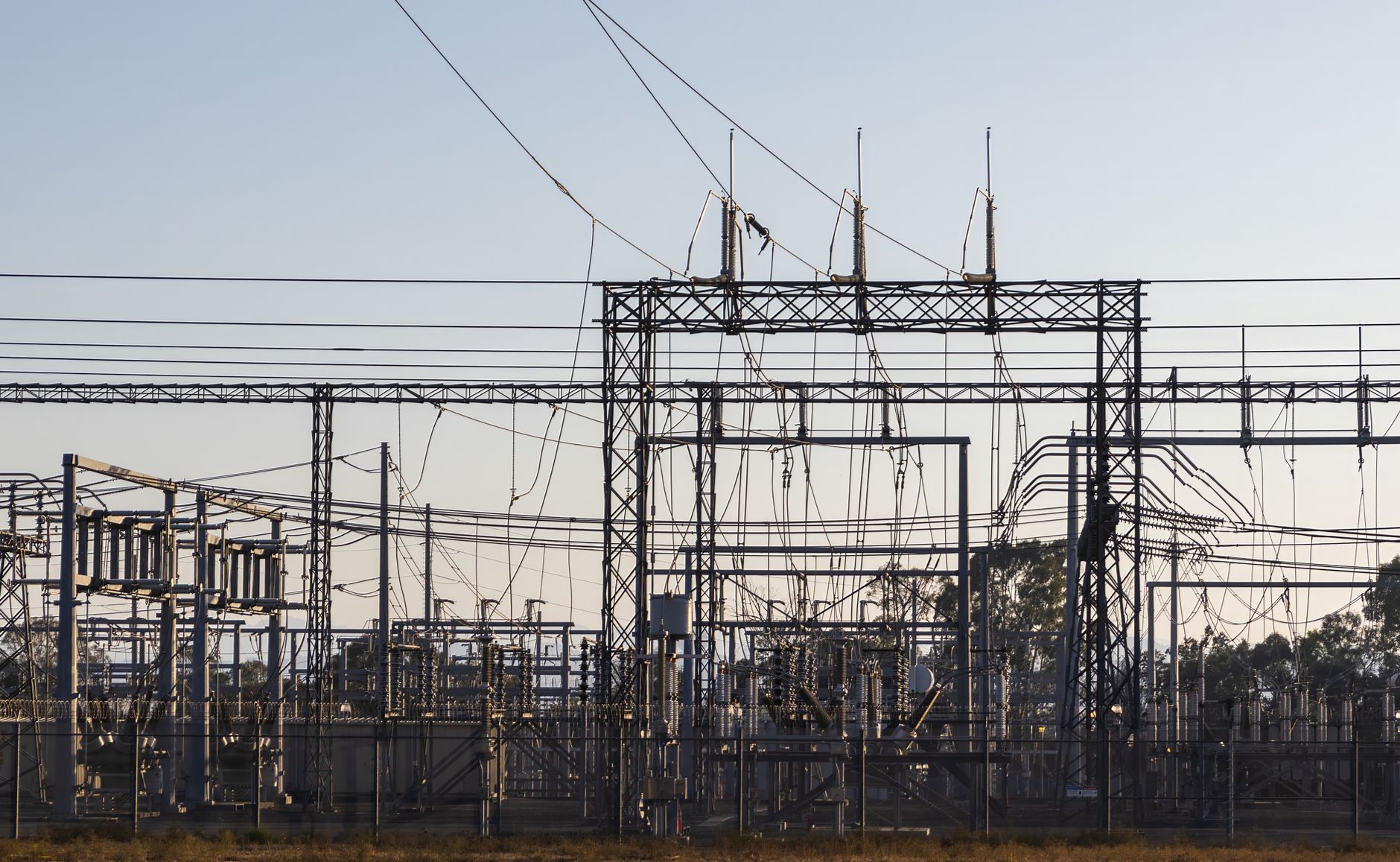
The U.S. power sector is undergoing a seismic shift, fueled by an unprecedented wave of mergers and acquisitions (M&A) driven by artificial intelligence (AI). With a record $200 billion in transactions, companies are racing to bolster their energy infrastructures to meet the surging demand from data centers. This boom not only signifies a transformation in how energy is generated and distributed but also highlights the increasing integration of AI technologies in driving operational efficiencies and strategic decision-making.
Key Takeaways
- The U.S. power sector has witnessed a record $200 billion in M&A activity, primarily driven by AI innovations.
- Companies are investing heavily to enhance energy infrastructure in response to increasing demand from data centers.
- AI is not only reshaping energy production but also influencing strategic business decisions in the sector.
- The trend indicates a shift towards more sustainable and efficient energy solutions as companies adapt to market dynamics.
- As the competition intensifies, stakeholders must navigate regulatory challenges and technological advancements.
The M&A Boom in the Power Sector
The unprecedented $200 billion surge in mergers and acquisitions within the U.S. power sector reflects a growing recognition of the critical role that energy infrastructure plays in supporting modern digital economies. This activity is being propelled by a confluence of factors, but at the heart of it lies the insatiable appetite for data centers, which require substantial and reliable energy sources to operate efficiently. As companies scramble to secure their positions in the energy market, they are increasingly leveraging AI technologies to optimize their operations and make informed strategic decisions.
Recent reports indicate that the wave of consolidation in the sector is not merely a reaction to current market conditions but a proactive approach to future-proofing operations against the backdrop of accelerating technological advancements and climate change. Major players are merging not just to increase market share but to enhance their capability to innovate and adapt in an environment that is rapidly shifting towards renewable energy sources. The integration of AI into energy management and operational efficiency is becoming a prerequisite for success, making it a central focus of M&A strategies.
Why This Matters
This M&A boom in the power sector is significant for several reasons. First, it underscores a pivotal shift in the energy landscape, moving from traditional fossil fuel reliance towards more sustainable energy solutions. Companies that can effectively harness AI to streamline operations and innovate in renewable energy technologies will likely emerge as leaders in this new paradigm. The integration of AI allows for enhanced predictive analytics, improved energy management, and greater resilience against market fluctuations.
Second, the consolidation of power companies through M&A is expected to lead to more significant investments in infrastructure development. As companies combine resources, they can allocate capital more efficiently towards modernizing energy grids, investing in smart technologies, and deploying renewable energy projects. This not only enhances operational efficiency but also supports broader economic goals, such as job creation and energy independence.
Background and Context
The roots of this M&A activity can be traced back to the evolving demands of the digital age. With the exponential growth of data consumption, driven by trends such as cloud computing, IoT, and AI itself, the need for reliable and scalable energy sources has never been more critical. Data centers, which consume vast amounts of energy, are at the forefront of this demand increase, with projections indicating that global data center energy consumption could reach 1,000 terawatt-hours by 2030.
Historically, the power sector has been characterized by a reliance on centralized power generation and distribution. However, the emergence of decentralized energy solutions, such as solar and wind, coupled with advancements in energy storage technologies, has created a more dynamic landscape. Companies are increasingly looking to merge and acquire to not only expand their energy portfolios but also to integrate innovative technologies that enhance energy efficiency and sustainability.
Expert Analysis
The current M&A trend in the power sector reflects a strategic pivot towards long-term sustainability and technological integration. By acquiring companies with advanced AI capabilities, firms can accelerate their innovation cycles and improve their competitive positioning. AI technologies enable better demand forecasting, automated energy management, and optimization of supply chains, allowing companies to respond more quickly to market changes.
Moreover, the competitive landscape is becoming increasingly crowded. As more companies recognize the opportunities presented by AI in the power sector, the pressure to innovate and differentiate will intensify. This scenario creates a fertile ground for M&A activity as companies seek to acquire not only assets but also talent and technology that can propel them forward in the energy transition.
One critical aspect that cannot be overlooked is the regulatory environment. As companies consolidate, they must navigate a complex landscape of regulations and policies that govern energy markets. The interplay between federal and state regulations will significantly impact the outcomes of these M&A deals. Companies that successfully integrate compliance into their strategic planning will be better positioned to capitalize on emerging opportunities.
What This Means for Energy Users and Developers
The implications of this M&A boom extend beyond corporate boardrooms; they will significantly impact energy users and developers alike. For consumers, this consolidation could lead to more reliable energy sources and innovative solutions that enhance energy efficiency. As companies streamline their operations and invest in modern infrastructure, end-users may benefit from more competitive pricing and improved service reliability.
For developers, the M&A trend presents both opportunities and challenges. The increased focus on AI and technology integration means that developers will need to adapt to new standards of efficiency and sustainability. Companies that can leverage AI to enhance their project management and energy production capabilities will have a competitive edge in securing funding and partnerships.
Frequently Asked Questions
What is driving the current M&A boom in the power sector?
The M&A boom is primarily driven by the increasing demand for energy from data centers and the need for companies to enhance their energy infrastructure through technological advancements, particularly AI.
How does AI influence merger and acquisition strategies?
AI helps companies optimize operational efficiencies, improve predictive analytics, and make more informed strategic decisions, which are critical in the competitive energy market.
What are the potential benefits of this M&A activity for consumers?
Consumers may experience more reliable energy services, competitive pricing, and innovative energy solutions as companies invest in modern infrastructure and technologies.
What challenges may arise from increased consolidation in the power sector?
Challenges include navigating complex regulatory environments, potential monopolistic practices, and the need for continuous innovation to meet market demands.
The Road Ahead
Looking ahead, the M&A activity in the U.S. power sector is likely to continue as companies strive to adapt to the changing energy landscape shaped by technological advancements and sustainability goals. The integration of AI will play a pivotal role in this evolution, driving efficiencies and enabling firms to meet the growing demands of data-heavy operations.
As the industry moves forward, stakeholders must remain vigilant about regulatory changes and market dynamics that could impact their strategies. Successful companies will be those that not only embrace technological innovation but also address the broader social and environmental implications of their operations. The future of energy will be defined by the ability to balance profitability with sustainability, and the ongoing M&A boom is a clear indicator of the industry's commitment to this transformative journey.