AI Revolutionizes Radio Chip Design Beyond Human Imagination
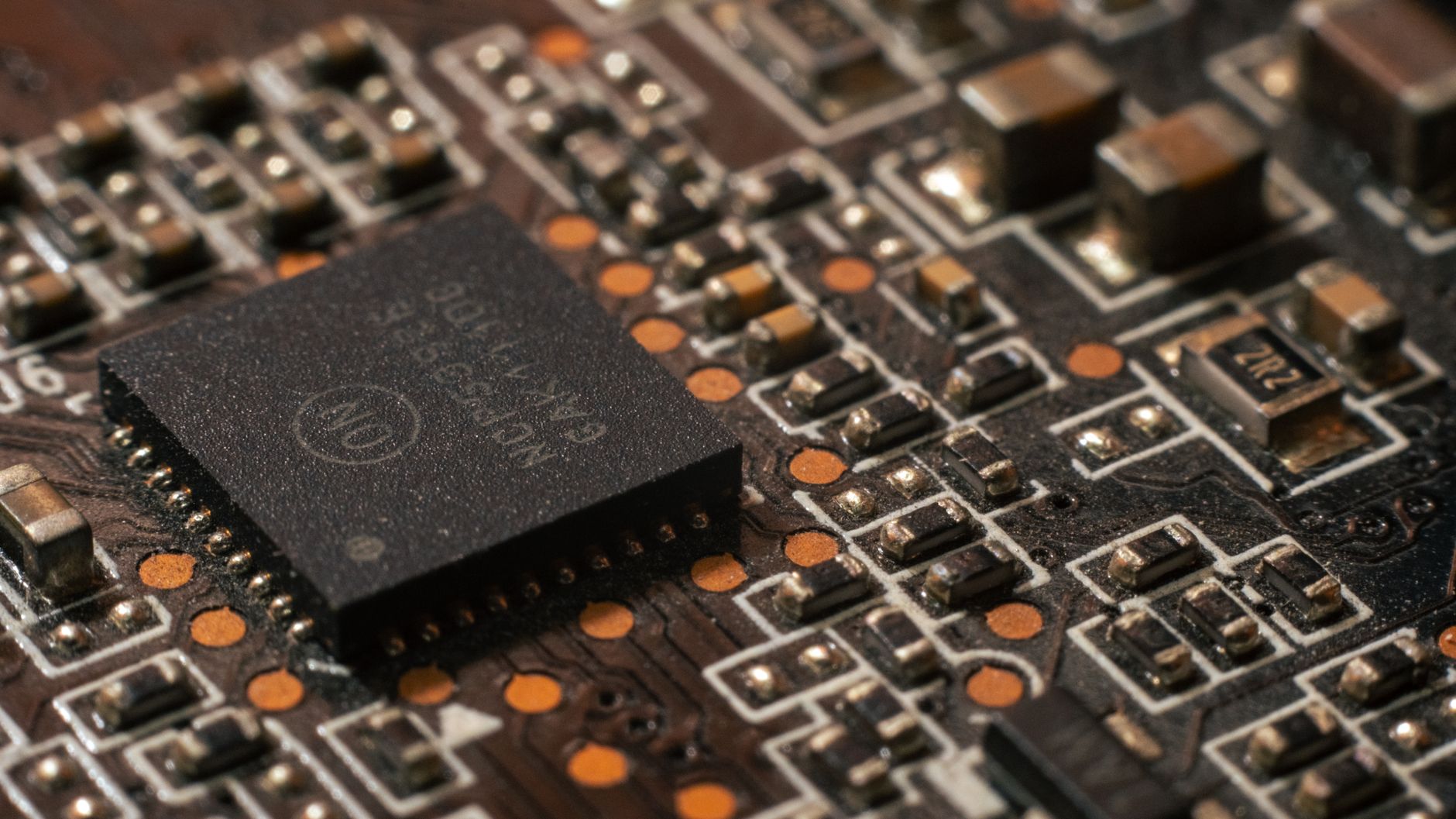
Imagine a world where radio frequency integrated circuits (RFICs) could be designed by machines that think beyond human limitations. AI is not only entering the realm of radio chip design but is revolutionizing it, leading to innovations that engineers previously thought were impossible. This transition marks a significant turning point in the technological landscape, with implications that could reshape wireless communications as we know it.
Key Takeaways
- AI is dramatically improving the design process for radio frequency integrated circuits (RFICs), making it faster and more efficient.
- This advancement is crucial for the development of technologies like 5G, autonomous vehicles, and the Internet of Things (IoT).
- Historically viewed as a “dark art,” RFIC design is becoming more accessible and innovative thanks to AI algorithms.
- AI systems can explore design spaces previously unimaginable to human engineers, leading to potentially groundbreaking RFIC architectures.
- As the demand for higher frequency and more complex RF systems grows, the role of AI in chip design will likely become indispensable.
AI's Impact on Radio Chip Design
The design of radio frequency integrated circuits (RFICs) has traditionally been a meticulous process. Engineers have employed a combination of experience, intuition, and guesswork, often spending months or even years perfecting designs that meet the demands of emerging wireless technologies. However, the advent of artificial intelligence is changing this narrative. With the ability to analyze vast datasets and simulate various scenarios, AI is streamlining the RFIC design process.
Recent developments have showcased AI's potential as a game changer in this field. It enables designers to automate complex calculations and model various design parameters rapidly, generating innovative solutions that might not occur to human engineers. For instance, the use of machine learning algorithms can help identify optimal design configurations by learning from past successes and failures, ultimately accelerating the design cycle.
Why This Matters
The implications of AI-driven RFIC design extend far beyond the engineering community. As wireless technologies evolve, so too do the requirements for RFICs. The push for faster, more reliable connections in technologies like 5G and autonomous vehicles necessitates advancements in chip design that can keep pace with demand. AI's ability to innovate in this space means that we could see the rollout of new wireless technologies at unprecedented speeds.
Moreover, the democratization of RFIC design through AI could lead to a broader range of players entering the market. Startups and smaller companies that previously lacked the resources to compete in RFIC development may now find themselves with newfound opportunities. This infusion of creativity and competition could yield a wave of innovation across the industry, ultimately benefiting consumers with better, more efficient wireless technologies.
Background and Context
Historically, RFIC design has been considered a niche discipline within electrical engineering, often described as a “dark art.” This perception stems from the complexities involved in designing circuits that can operate effectively across various frequencies while maintaining performance standards. Traditional design methods have relied heavily on trial and error, making it a slow and costly process.
As wireless communications technologies have advanced, the demand for higher frequency operations and more sophisticated chip designs has intensified. The shift to 5G networks, for example, requires RFICs that can handle higher bandwidths and lower latency. This growing complexity has prompted the need for innovative design solutions, making the timing ideal for AI's entry into this field.
Expert Analysis
The integration of AI into RFIC design provides a fascinating study of how machine learning can transcend human capabilities. AI can explore vast design spaces, effectively generating and evaluating designs in ways that would be nearly impossible for human engineers alone. By utilizing reinforcement learning and generative design techniques, AI systems can iterate through countless design possibilities, optimizing for parameters like power efficiency, size, and performance.
These AI-driven approaches are not merely automating existing processes; they are redefining what is possible in circuit design. For instance, machine learning algorithms can analyze performance data from existing RFICs and identify patterns that may escape human scrutiny. This could lead to the discovery of entirely new chip architectures that outperform current designs.
Furthermore, the collaboration between human engineers and AI systems can create a feedback loop where insights gained from AI-generated designs inform future human-led efforts. This symbiotic relationship may ultimately foster a new era of chip innovation, where human creativity is augmented by AI's computational power.
What This Means for Developers and Users
The implications for developers and users in the wireless technology space are profound. For developers, the ability to rapidly prototype and test new RFIC designs will likely lead to shorter development cycles and faster time-to-market for new products. This can be particularly crucial in competitive sectors such as telecommunications and automotive technology, where being first to market can lead to significant advantages.
For users, the advancements in RFIC design facilitated by AI could translate into better connectivity, enhanced performance, and more reliable devices. Imagine a world where autonomous vehicles can communicate with each other and infrastructure seamlessly, all powered by cutting-edge RFICs designed with the help of AI.
Ultimately, the increased efficiency and innovation in RFIC design could lead to a new wave of applications and services that improve everyday life, from smarter cities to improved healthcare delivery via telemedicine.
Frequently Asked Questions
How does AI improve the RFIC design process?
AI enhances the RFIC design process by automating complex calculations, simulating various scenarios, and exploring design spaces that may be beyond human intuition. This leads to faster and more innovative designs.
What technologies are impacted by advancements in RFIC design?
Advancements in RFIC design are particularly impactful in wireless technologies such as 5G, autonomous vehicles, and the Internet of Things (IoT), where high-performance and reliable communication is crucial.
Can smaller companies compete in RFIC design thanks to AI?
Yes, the democratization of RFIC design through AI enables smaller companies and startups to innovate and compete in areas previously dominated by larger firms, fostering a more diverse ecosystem.
What future applications could emerge from AI-designed RFICs?
Future applications may include improved connectivity in smart cities, enhanced performance in autonomous vehicles, and innovative solutions for telemedicine and other sectors reliant on wireless communication.
The Road Ahead
Looking forward, the trajectory of AI in RFIC design seems poised for significant growth. As machine learning algorithms become more sophisticated and data availability increases, we can expect even more groundbreaking innovations in chip design. The continuous evolution of AI technology will likely lead to the development of RFICs that are not only more efficient but also capable of operating in entirely new frequency ranges or under unique environmental conditions.
Ultimately, as AI continues to push the boundaries of what is possible in RFIC design, we may witness the emergence of entirely new wireless technologies. These innovations could reshape industries, enhance connectivity, and improve our everyday lives in ways that we can only begin to imagine. The future of wireless communication is undoubtedly intertwined with the advancements made possible by AI, making this a thrilling time for engineers, developers, and users alike.