Revolutionizing Rare Disease Diagnosis: AI's Role in Pediatric Care
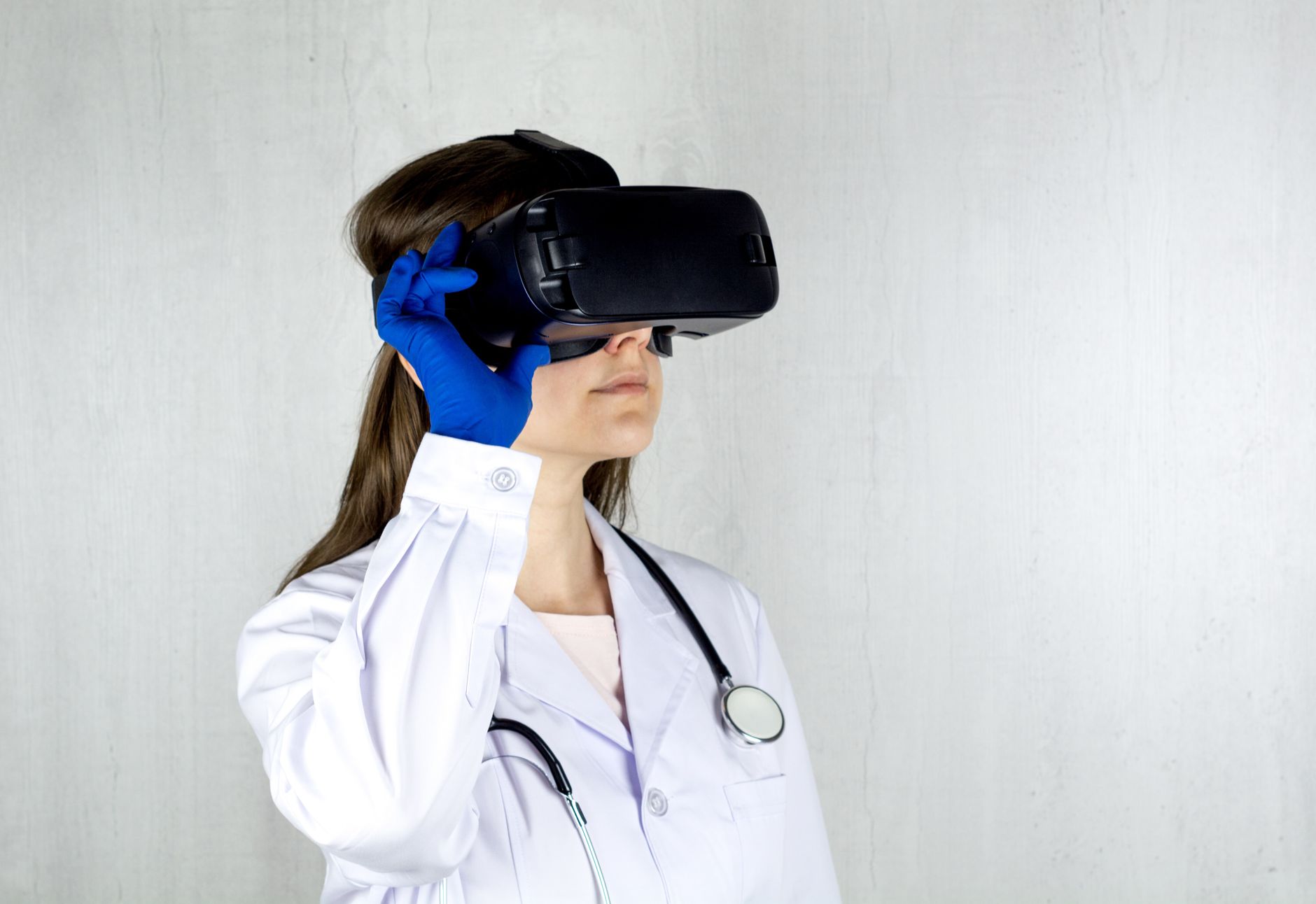
In a remarkable advancement for pediatric healthcare, researchers have harnessed the power of AI to assist physicians in diagnosing rare genetic diseases in children. Utilizing an OpenAI reasoning model, the team identified 18 new diagnoses in previously unsolved cases, shining a light on the transformative potential of artificial intelligence in medicine. This breakthrough not only underscores the challenges faced by healthcare providers in diagnosing these complex conditions but also highlights the promise of AI as a tool in overcoming such hurdles.
Key Takeaways
- AI can aid in diagnosing rare genetic diseases, identifying new conditions previously undiagnosed.
- The OpenAI reasoning model played a critical role in analyzing large sets of genetic data.
- Collaboration between AI researchers and medical professionals is essential for effective implementation.
- This development may significantly reduce time to diagnosis for pediatric patients.
- Broader implications for healthcare could lead to improved treatment pathways and better outcomes.
Diagnosing Rare Genetic Diseases: A Growing Challenge
Rare genetic diseases often present a unique challenge in pediatric care, as they can manifest in a variety of ways, with symptoms that may mimic more common conditions. The diagnostic process for these diseases is often lengthy and fraught with difficulties, leading to frustration for both families and healthcare providers. Traditional methods, reliant on expert knowledge and available testing, can fall short, particularly when faced with the vast and complex data generated by genomic sequencing.
In this context, the recent study utilizing an OpenAI reasoning model offers a breath of fresh air. Researchers aimed to improve the diagnostic capabilities for rare diseases affecting children, particularly those that are genetic in nature. By applying advanced AI algorithms to analyze genomic data, the team successfully identified 18 new diagnoses in cases that had remained unresolved. This not only provides a sense of closure for affected families but also expands the medical community's understanding of rare diseases.
Why This Matters
The implications of AI-driven diagnostics extend far beyond individual cases. For the healthcare industry, the ability to accurately and efficiently diagnose rare diseases can lead to substantial improvements in patient care. Early and accurate diagnoses can facilitate timely interventions, ultimately improving health outcomes and reducing the burden on healthcare systems.
Moreover, the collaboration between AI researchers and clinicians can foster a more integrated approach to healthcare. By merging technological advancements with clinical expertise, practitioners can leverage AI tools to enhance their diagnostic capabilities and offer more personalized treatment options. This model could serve as a template for future innovations in the medical field, where AI becomes a standard companion in clinical decision-making.
Background and Context
Rare genetic diseases are defined as conditions that affect fewer than 200,000 individuals in the United States. Collectively, these diseases affect millions of people worldwide, yet they often remain undiagnosed for years due to their rarity and the complexity of symptoms. The diagnostic odyssey can lead to physical, emotional, and financial strain for families as they navigate through tests and consultations with various specialists.
The advent of genomic medicine and sequencing technologies has opened new avenues for understanding the genetic basis of these diseases. However, the sheer volume of data generated by genetic testing poses significant challenges. Traditional diagnostic approaches relying on human expertise alone can struggle to keep pace with the evolving landscape of genetic information. This is where AI comes into play, offering the potential to analyze large datasets and identify patterns that might elude human clinicians.
Expert Analysis
The integration of AI into the diagnostic process marks a pivotal shift in how healthcare providers approach rare genetic diseases. The OpenAI reasoning model utilized in this study demonstrates the power of machine learning algorithms to sift through complex genetic data and identify potential diagnoses. By leveraging vast datasets, AI can provide insights that may not be readily apparent to human experts, thereby enhancing the diagnostic process.
One of the key advantages of using AI in this context is its ability to learn and improve over time. As more data becomes available, AI models can refine their algorithms, becoming increasingly accurate in their predictions. This continuous learning process could lead to a future where diagnoses for rare diseases are not only more accurate but also faster, reducing the time families and patients spend in uncertainty.
Additionally, the collaboration between AI developers and healthcare practitioners is crucial. It ensures that the insights generated by AI are clinically relevant and can be effectively integrated into existing workflows. This partnership can also foster an environment where medical professionals can provide feedback to AI developers, resulting in more robust and user-friendly tools.
What This Means for Healthcare Providers and Patients
For healthcare providers, the successful use of AI in diagnosing rare diseases offers a transformative opportunity to enhance patient care. Physicians can rely on AI tools to assist in identifying conditions that may have previously gone undetected, improving the accuracy and efficiency of diagnoses. This capability is particularly important in pediatrics, where early intervention can significantly alter the trajectory of a child's health.
For patients and their families, the implications are equally profound. Receiving a timely and accurate diagnosis can lead to appropriate treatment options and support services that improve quality of life. Families who have long searched for answers may finally receive the clarity they need, allowing them to make informed decisions regarding their child's care. Moreover, understanding the genetic basis of a condition opens the door to potential clinical trials and emerging therapies, further expanding treatment options.
Frequently Asked Questions
How does AI improve the diagnosis of rare genetic diseases?
AI enhances the diagnosis by analyzing vast amounts of genetic data and identifying patterns that may not be apparent to human experts. This can lead to more accurate and efficient diagnoses.
What are the implications of receiving a new diagnosis for families?
A new diagnosis can provide families with clarity and direction for treatment options. It allows them to explore therapies and support services tailored to the specific condition.
How reliable are AI-driven diagnoses compared to traditional methods?
While AI-driven diagnoses can significantly improve accuracy, they are not a replacement for clinical judgment. It is crucial to integrate AI insights with the expertise of healthcare providers for optimal outcomes.
What role do healthcare providers play in utilizing AI for diagnosis?
Healthcare providers collaborate with AI developers to ensure that the tools are clinically relevant and can be effectively integrated into workflows, enhancing the overall diagnostic process.
The Road Ahead
The future of pediatric care concerning rare genetic diseases is poised for transformation, thanks to the integration of AI. As research progresses and more cases are analyzed, it is likely that AI will uncover even more diagnoses, leading to a deeper understanding of the genetic landscape. This could potentially redefine how healthcare systems address these rare conditions.
Looking ahead, the challenge will be in ensuring that these advancements are accessible and equitable. It is crucial to develop AI tools that are not only effective but also affordable and adaptable to diverse healthcare settings. With the right approach, AI has the potential to revolutionize pediatric diagnostics, ensuring that every child receives the care they need, regardless of the rarity of their condition.