Alibaba Takes Legal Action Against Pentagon Over Military Blacklist
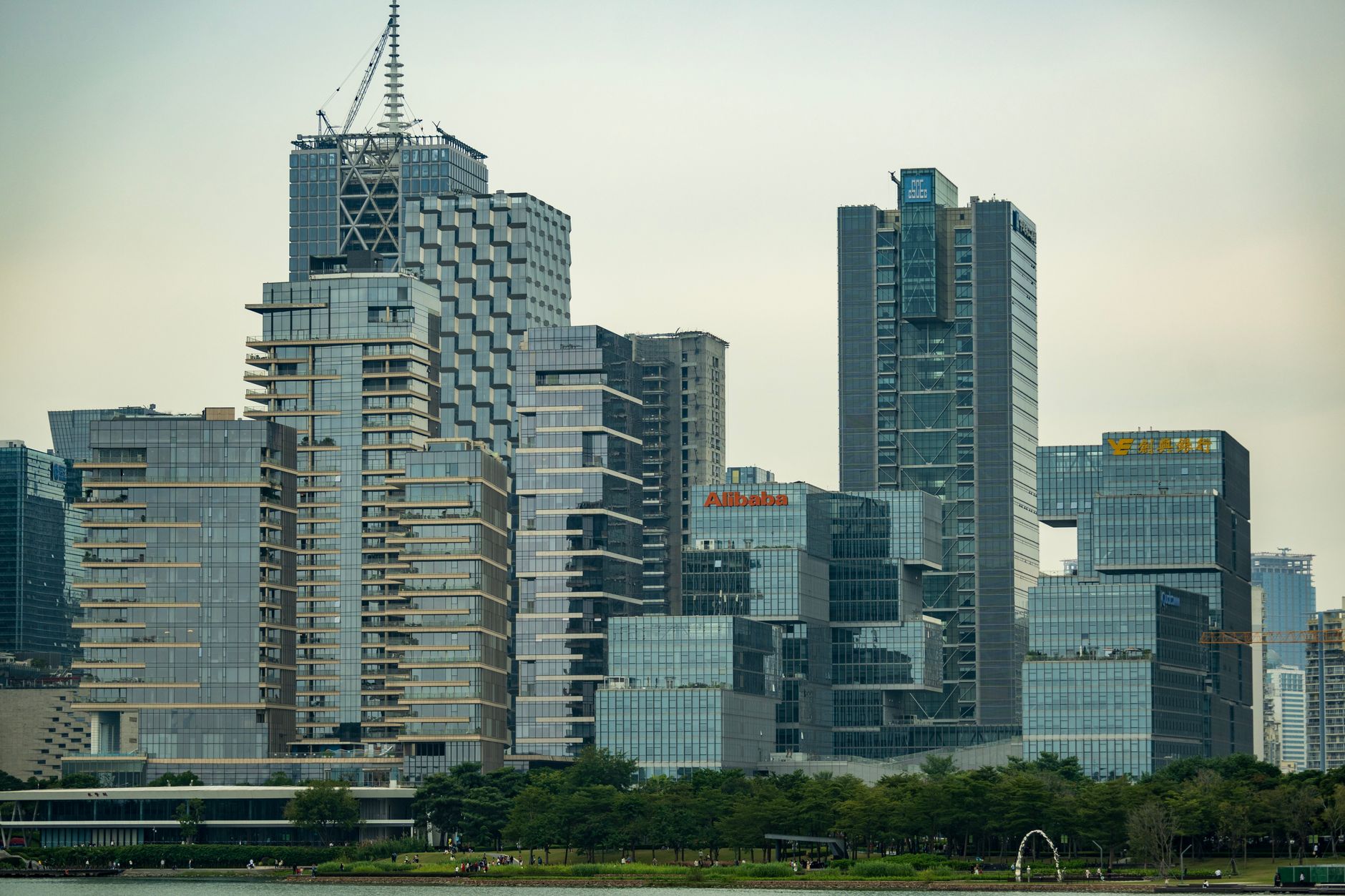
In a bold legal move, Alibaba is taking the Pentagon to court over its classification as a company linked to the Chinese military. This lawsuit not only highlights the tensions between the tech giant and the U.S. government but also raises critical questions about transparency, fairness, and the implications of such designations on international commerce.
Key Takeaways
- Alibaba has filed a lawsuit against the Pentagon, citing the decision to blacklist it as arbitrary and lacking substantial evidence.
- The e-commerce powerhouse argues that the classification has detrimental effects on its business operations and reputation.
- This legal battle reflects the broader geopolitical tensions between the U.S. and China, particularly in the tech sector.
- Experts suggest that the outcome of this lawsuit could set precedents for how governments regulate technology companies and their affiliations.
- The case underscores the challenges faced by multinational corporations in navigating the complex landscape of international relations.
The Lawsuit Against the Pentagon
Alibaba's lawsuit, filed in the U.S. District Court, seeks to overturn the Pentagon's decision to place the company on a blacklist that labels it as having links to the Chinese military. This decision was made under a U.S. Department of Defense regulation intended to protect national security interests but has raised significant concerns regarding due process and the standards of evidence required for such designations.
The e-commerce giant claims that the Pentagon's classification is not only arbitrary but also lacks a solid evidentiary basis. Alibaba’s legal team argues that the designation has been fundamentally damaging, impacting its global operations and financial performance. Being on this blacklist, they assert, creates a presumption of guilt in the eyes of consumers and investors and undermines the company’s efforts to expand its presence in international markets.
By suing the Pentagon, Alibaba is not merely defending itself against accusations; it is challenging the very framework through which the U.S. government assesses the security risks posed by foreign companies. This legal action could have far-reaching consequences, not just for Alibaba but for many other companies that find themselves in similar predicaments.
Why This Matters
The implications of Alibaba's lawsuit extend far beyond the company's immediate concerns. This case could set a legal precedent regarding how governments classify and regulate foreign companies, particularly those operating in sensitive sectors such as technology and defense. Given the escalating tensions between the U.S. and China, this lawsuit underscores the precarious position that multinational corporations find themselves in.
Moreover, the outcome of this legal battle may influence public perception of Chinese companies operating in the United States and beyond. If Alibaba succeeds in its challenge, it could signal to other companies that there are mechanisms available for contesting government actions that they view as unjust or unfounded. On the other hand, if the Pentagon's designation is upheld, it may embolden further action against other foreign firms, shaping a climate of suspicion and regulatory scrutiny.
Background and Context
The U.S.-China relationship has been characterized by increasing friction over trade, technology, and national security. The inclusion of companies like Alibaba on military blacklists is part of a broader strategy by the U.S. government to mitigate perceived threats from foreign entities. This practice has intensified in recent years, particularly with the rise of technologies such as artificial intelligence and cloud computing, where national security concerns are paramount.
Alibaba, founded in 1999, has become one of the largest e-commerce platforms globally, expanding into various sectors including cloud computing, digital media, and payments. Its rapid growth has drawn scrutiny from U.S. lawmakers, who often cite national security risks associated with Chinese technology firms. The Pentagon’s designation of Alibaba as linked to the Chinese military is indicative of this ongoing tension and the broader narrative surrounding the competition between the two superpowers.
Expert Analysis
Legal experts suggest that Alibaba's case hinges on the interpretation of the law governing defense-related designations. The company argues that the Pentagon's decision violates principles of administrative law, which require that actions taken by government agencies be based on clear evidence and rational reasoning. Critics of the Pentagon's approach argue that it often lacks transparency and does not provide adequate opportunities for companies to contest their classification.
The lawsuit could also draw attention to the need for clearer guidelines regarding how companies can be blacklisted and the processes involved. Currently, the lack of transparency can lead to arbitrary decisions that have significant consequences for businesses. Alibaba’s legal challenge may inspire similar actions from other companies facing similar designations, potentially leading to a reevaluation of how national security risks are assessed.
What This Means for Companies and Users
For companies operating in the tech sector, Alibaba's lawsuit serves as a critical reminder of the complexities involved in international business. Firms must navigate not only market dynamics but also geopolitical tensions that can directly impact their operations. The case illustrates the necessity for companies to maintain a robust legal strategy to protect their interests in an increasingly hostile environment.
For consumers, the implications of this lawsuit may not be immediately apparent, but they are significant. The perception of companies can shift dramatically based on government actions, as seen in the case of Huawei and other Chinese firms that have faced scrutiny. As companies like Alibaba seek to defend their reputations and operations, consumers may find themselves caught in the crossfire of international politics.
Frequently Asked Questions
What is the basis of Alibaba's lawsuit against the Pentagon?
Alibaba claims that the Pentagon's decision to place it on a military blacklist is arbitrary and lacks sufficient evidence, arguing that it harms the company's business and reputation.
How could this lawsuit affect other international companies?
If Alibaba succeeds, it could encourage other companies facing similar designations to challenge government actions, potentially leading to changes in how such classifications are made.
What are the broader implications of this case for U.S.-China relations?
The case highlights the escalating tensions between the U.S. and China, particularly in the tech sector, and could influence how foreign companies are regulated in the U.S.
What might happen if Alibaba loses the lawsuit?
A loss for Alibaba could validate the Pentagon's decision, potentially leading to heightened scrutiny of other Chinese companies and reinforcing a climate of suspicion in international business.
The Road Ahead
As the legal proceedings unfold, the broader geopolitical landscape will likely play a significant role in shaping the outcome. With U.S.-China relations remaining strained, the resolution of this case could either exacerbate tensions or provide a pathway for dialogue regarding corporate governance and international trade.
The implications of this lawsuit are substantial, not just for Alibaba but for the entire tech industry and multinational corporations navigating complex international regulations. Companies will need to remain vigilant, adapting their strategies to address both market demands and geopolitical realities. The road ahead is fraught with challenges, but it also offers opportunities for companies to assert their rights and advocate for fair treatment in the face of governmental scrutiny.