Amazon Prime Day 2026: Spending Surpasses Estimates and Implications
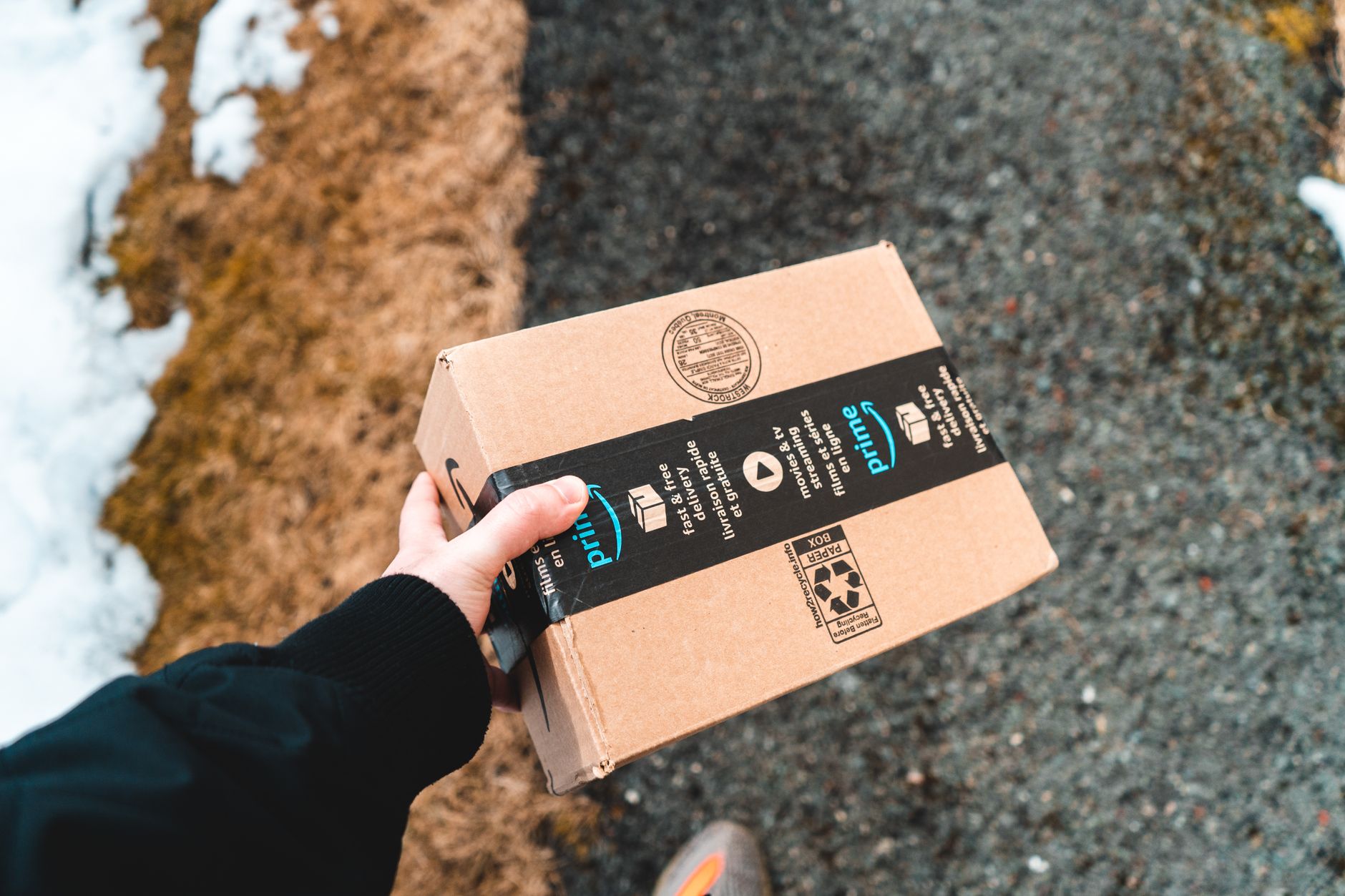
The recent Amazon Prime Day event has set records that not only showcase the power of the e-commerce giant but also offer insights into consumer behavior in an evolving marketplace. With total online spending during this year's event reaching $26.4 billion, the figure narrowly beat Adobe's earlier estimate of $26.3 billion, demonstrating the resilience and adaptability of online shopping trends.
Key Takeaways
- Total U.S. online spending during Amazon Prime Day 2026 reached $26.4 billion.
- This figure surpassed Adobe's initial forecast of $26.3 billion, indicating robust consumer interest.
- The event showcased a broader trend of increased online spending despite economic challenges.
- Retailers beyond Amazon also benefited, capturing a notable share of online sales during this period.
- The results underscore the need for businesses to adapt their strategies in a rapidly changing retail landscape.
Understanding the Surge in Spending
The latest Prime Day event, held in June 2026, has demonstrated significant consumer engagement and spending. The $26.4 billion figure reflects the combined online purchases made across all retailers during the two-day sale, which began on June 26. The slight increase over Adobe's forecast signals a stronger-than-anticipated consumer response, a trend that many analysts are attributing to several factors.
Firstly, a shift in consumer behavior has been observed. Many shoppers have become accustomed to an online shopping model, particularly post-pandemic. This event capitalized on that trend, drawing in not just Prime members but also a wider audience eager to take advantage of discounts and deals. Also, the sales strategy employed by Amazon and other retailers, combining deep discounts with targeted advertising, played a significant role in driving traffic to their platforms.
Why This Matters
The implications of this spending surge extend far beyond Amazon. Retailers across the spectrum have realized the importance of digital sales channels, especially during high-traffic events like Prime Day. The success seen this year may encourage non-Amazon retailers to invest more in their online presence, enhancing their digital marketing strategies and e-commerce capabilities.
Furthermore, the growth in online spending highlights a potential shift in consumer priorities. With inflation concerns still looming, shoppers appear to prioritize convenience and savings, opting for online platforms that can deliver both. This trend may prompt retailers to rethink their pricing strategies, promotional tactics, and even inventory management as they strive to remain competitive in a digital-first economy.
Background and Context
Amazon Prime Day was first launched in 2015, initially to celebrate Amazon’s 20th anniversary. The event has since evolved into a major shopping holiday, often compared to Black Friday and Cyber Monday. Over the years, it has served as a bellwether for e-commerce performance and consumer sentiment.
Historically, Prime Day has not only driven sales for Amazon but also significantly impacted the broader retail landscape. Competitors often respond with their own sales events to capture the attention of consumers who are actively looking for deals. This year, the trend continued, with retailers such as Walmart, Target, and Best Buy running concurrent promotions, ultimately contributing to the impressive overall spending figures.
Expert Analysis
The 2026 Prime Day results suggest that the online shopping trend is not just a fleeting moment but rather a sustained shift in consumer behavior. Analysts point to several key factors that contributed to the spending exceeding Adobe's estimates. For one, the event's timing coincided with an increase in disposable income for many consumers, aided by a recovering job market and a resurgence in consumer confidence.
Additionally, the savvy marketing strategies employed by Amazon, including heavy use of social media advertising and personalized email campaigns, cannot be overlooked. These tactics helped create a sense of urgency, encouraging consumers to act quickly on deals. The integration of convenience features, such as one-click ordering and same-day delivery options, further facilitated this spike in spending, making the online shopping experience more appealing than ever.
Moreover, the competition among retailers has intensified, leading to more aggressive pricing strategies and better deals across the board. This competitive landscape has not only helped keep prices in check but has also expanded the range of products available to consumers. As retailers vie for market share, the consumer ultimately stands to benefit from these dynamics.
What This Means for Retailers and Consumers
The results from this year's Prime Day should serve as a wake-up call for retailers who have been hesitant to fully embrace e-commerce. The strong spending figures indicate that consumers are ready to engage and spend online, and businesses must adapt to this behavior to thrive. Ignoring the digital space in favor of traditional brick-and-mortar operations may no longer be a viable strategy.
For consumers, this trend reinforces the convenience and efficiency of online shopping. The favorable deals and extensive product selections available during events like Prime Day offer consumers not just savings but also a more enjoyable shopping experience. As retailers continue to improve their online offerings, consumers can expect even greater value in the future.
Frequently Asked Questions
What is Amazon Prime Day?
Amazon Prime Day is an annual sales event held by Amazon, offering exclusive deals and discounts to Prime members. It typically features significant savings across various product categories.
How does Prime Day impact other retailers?
Other retailers often respond to Amazon Prime Day with their own sales events, leading to increased competition and better deals for consumers across the board.
Why do online sales continue to grow?
Online sales are growing due to changing consumer habits, increased convenience, and the ability to find better deals online. The pandemic has accelerated this trend as more people became accustomed to shopping online.
What can retailers do to prepare for future sales events?
Retailers should focus on enhancing their online presence, investing in digital marketing strategies, and optimizing their e-commerce platforms to ensure they can compete effectively during high-traffic events like Prime Day.
The Road Ahead
As we move forward into a new era of retail, the implications of Amazon Prime Day 2026 extend beyond immediate sales figures. The event has not only reaffirmed the growing dominance of online shopping but also highlighted the need for retailers to innovate and adapt. With consumer expectations continuously evolving, businesses must prioritize their digital strategies to remain relevant.
The future of retail will likely see a more integrated approach combining both online and in-store experiences. As technologies such as augmented reality and artificial intelligence become more prevalent, they will further enhance the shopping experience, offering personalized and immersive interactions. Retailers who embrace these changes will be well-positioned to capitalize on the ongoing growth of e-commerce and the opportunities it presents.