Apple's Price Hike: The Price of AI Infrastructure Investments
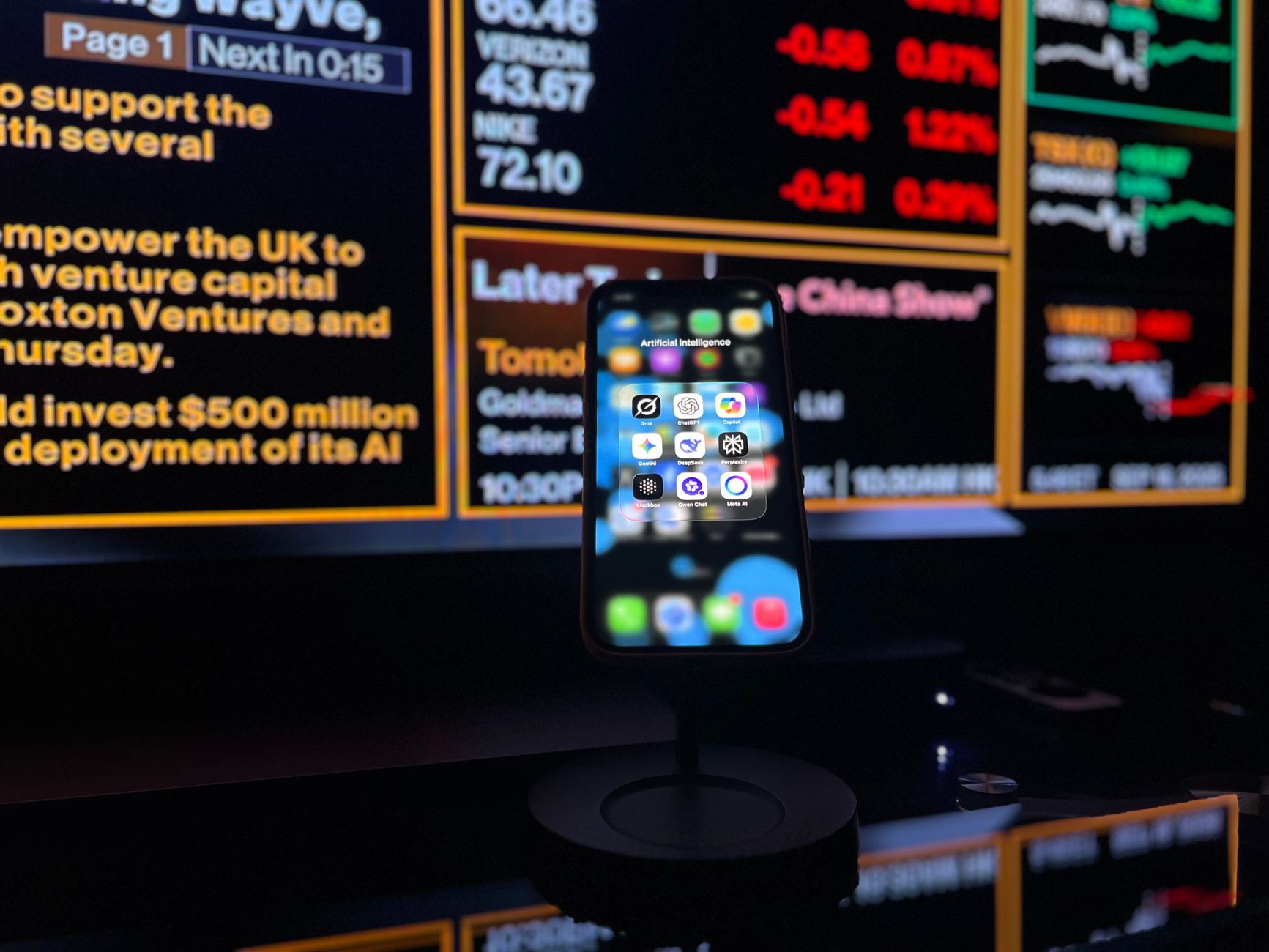
In a move that has sent ripples through the tech industry, Apple has announced significant price increases across its product lineup. This shift, attributed to escalating costs associated with AI infrastructure investments, poses questions about the sustainability of such price hikes and their implications for consumers and the tech landscape. Is this merely a temporary adjustment, or are we observing the dawn of a new pricing paradigm in the AI era?
Key Takeaways
- Apple's price increases are primarily driven by rising costs linked to AI infrastructure investments.
- The company's pricing strategy reflects broader trends across the tech industry as firms adapt to increased operational costs.
- Consumers may need to adjust to potentially higher prices as AI technology becomes more integral to product offerings.
- The long-term implications of these price hikes could reshape market dynamics and consumer expectations.
- This situation raises questions about the balance between innovation and affordability in the tech sector.
Apple’s Recent Price Increases
Apple's recent announcement regarding price hikes marks a significant shift in its pricing strategy, primarily influenced by the rising costs of AI infrastructure. The tech giant has always been known for its premium pricing model, but the recent increases suggest an adaptation to a rapidly changing market landscape. According to reports, Apple's decision to raise prices comes at a time when many tech companies are grappling with inflated operational costs, driven by the urgent need to invest heavily in artificial intelligence technologies.
The specifics of the price adjustments have varied across product categories, with significant increases noted in devices such as the iPhone and MacBook. For instance, a 10% increase in the base model of the iPhone has been observed, leading to a retail price that many consumers find challenging to justify. This move raises concerns about consumer affordability and the long-term sustainability of such price points, especially in a competitive market where alternative brands are often more cost-effective.
Why This Matters
The implications of Apple's price increases extend beyond the company's immediate financial interests. As one of the most influential players in the tech industry, Apple's pricing strategy often sets trends that other companies follow. The current price hikes signal a shift in how tech companies may approach pricing in a post-AI world.
Moreover, this development raises pertinent questions about consumer behavior. Will consumers continue to invest in premium-priced devices, or will they pivot towards more affordable alternatives? Additionally, this situation highlights the potential for a widening gap in the tech market, where high-end products become less accessible to the average consumer, thereby impacting the overall demand for premium technology.
Background and Context
Historically, Apple's pricing strategy has been heavily influenced by its brand positioning as a premium product provider. The company has consistently emphasized quality, design, and user experience, allowing it to maintain higher price points compared to competitors. However, the current landscape introduces new complexities, particularly with the rapid adoption of AI technologies that require significant investments.
The AI boom has prompted tech companies, including Apple, to allocate substantial resources towards developing and maintaining AI infrastructure. This investment is not merely a trend but a necessity to remain competitive in a market increasingly defined by technological sophistication and innovation. As AI becomes more pervasive in devices and services, the associated costs are likely to be passed on to consumers, fundamentally altering the pricing dynamics within the tech industry.
Expert Analysis
From an analytical perspective, Apple's recent price hikes can be interpreted as a strategic maneuver to balance the rising costs of AI infrastructure with its established premium pricing model. This move reflects a critical juncture for the company, as it navigates the tension between maintaining brand prestige and adapting to the economic realities of the tech landscape.
One potential outcome of this pricing strategy is the normalization of higher prices across the industry. If other tech companies follow suit, consumers may begin to accept elevated price points as a standard, particularly if these products are perceived to offer enhanced value through AI capabilities. However, this also risks alienating a segment of the consumer base that may be unwilling or unable to pay these higher prices, leading to decreased market share for premium products.
Another aspect to consider is the long-term impact on innovation. Higher prices could deter some consumers from upgrading their devices, leading to longer product lifecycles. This shift may subsequently affect companies' ability to innovate, as they rely on consistent sales to fund research and development efforts. The interplay between pricing, consumer acceptance, and innovation will be a critical space to watch in the coming years.
What This Means for Consumers and Developers
For consumers, the immediate impact of Apple's price increases is clear: higher costs for accessing the latest technology. This scenario may force consumers to reconsider their purchasing habits, perhaps leading to increased scrutiny of the value proposition associated with premium-priced products. Many users may start to question whether the incremental benefits of new features justify the higher price tags.
Developers, too, are likely to feel the ripple effects of these changes. As consumers tighten their budgets, developers may need to recalibrate their strategies for app pricing and monetization, focusing on delivering exceptional value to retain user engagement. Furthermore, the demand for AI-driven applications may increase, pushing developers to innovate and create solutions that harness the full potential of AI without imposing excessive costs on end-users.
Frequently Asked Questions
What led to Apple's price increases?
Apple's recent price hikes are primarily driven by rising costs linked to investments in AI infrastructure, necessitating the company to adjust its pricing strategy to maintain profitability.
Are these price increases permanent?
While it is unclear if the price hikes will be permanent, they reflect a broader trend in the tech industry, which may indicate a shift towards higher price points becoming more commonplace in the future.
How will consumers react to these price changes?
Consumer reaction may vary; some may accept higher prices if they perceive added value in AI-enhanced features, while others may seek more affordable alternatives.
What does this mean for the future of technology pricing?
The increases could foreshadow a new norm in pricing strategies across the tech sector, where firms may need to balance innovation costs with consumer affordability more carefully.
The Road Ahead
Looking forward, the implications of Apple's pricing strategy and the broader trend of increased costs associated with AI infrastructure investments will shape the future of the tech industry. Companies will need to navigate the delicate balance between maintaining profitability and ensuring access to their products for a diverse consumer base. This challenge will require innovative pricing strategies that reflect both the value of technological advancements and the economic realities faced by consumers.
As the industry evolves, it will be imperative for tech companies to engage in transparent communication with consumers about the reasons behind price increases. Understanding the value proposition of AI-driven features and how they enhance user experience will be crucial for maintaining consumer trust and loyalty. The coming years promise to be pivotal, as the tech sector grapples with the intersection of innovation, affordability, and consumer behavior.