Apple's Touchscreen MacBook: M5 Chips Set the Stage for 2027
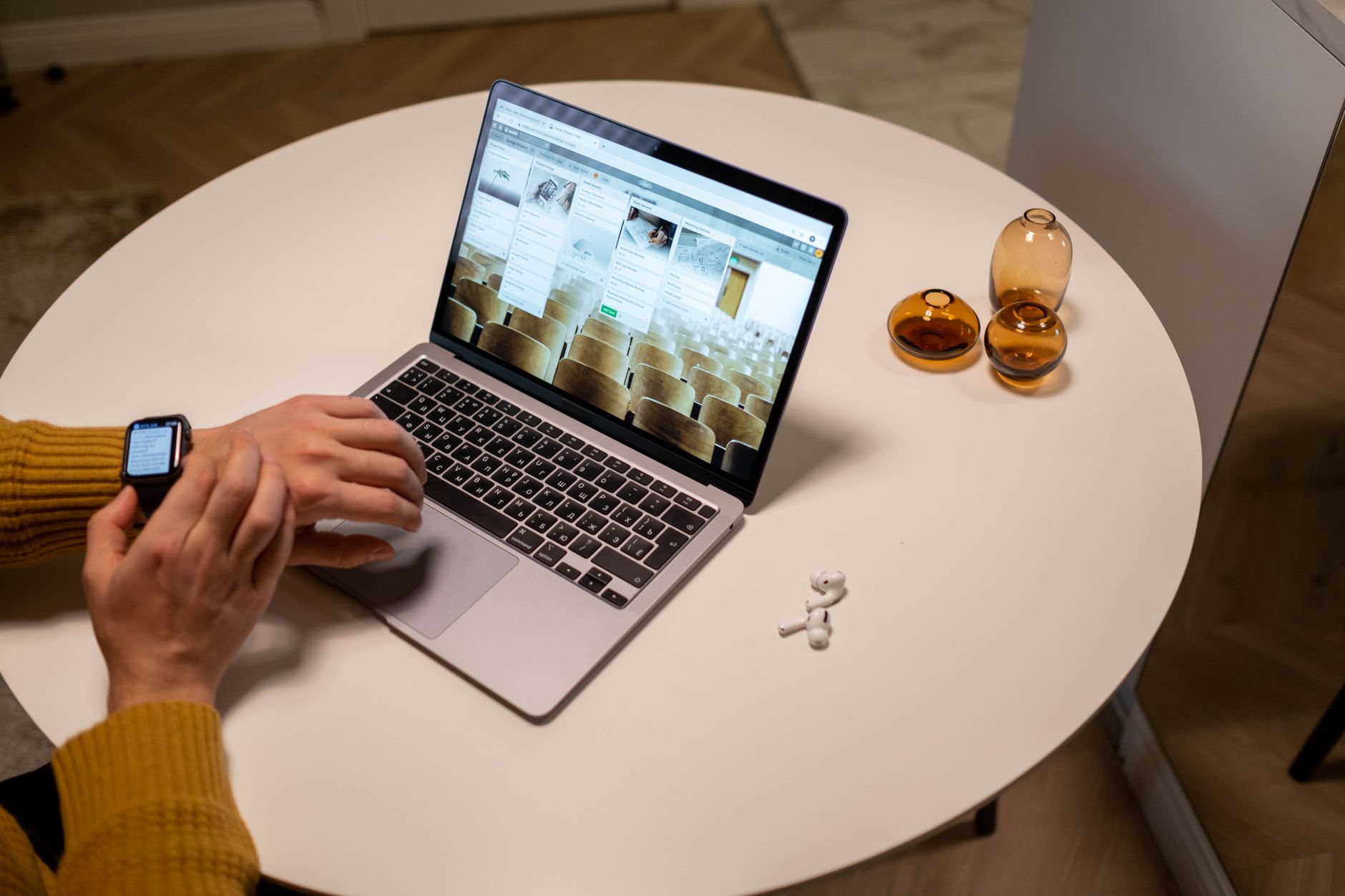
Apple has long been known for its innovative approach to technology, consistently pushing the envelope in design and functionality. With the announcement of its first touchscreen MacBook, equipped with M5 Pro and Max chips, the company is poised to redefine user interaction in the laptop segment. This development not only signals a shift in Apple’s product strategy but also sets the stage for the anticipated M7 models that will follow in 2027.
Key Takeaways
- The upcoming touchscreen MacBook will feature Apple’s M5 Pro and Max chips, marking a significant hardware evolution.
- Future models are expected to include M7 processors, enhancing performance and capabilities.
- This move indicates Apple’s commitment to improving user experience through touch technology in its laptops.
- The launch of the touchscreen MacBook could reshape competitive dynamics in the laptop market.
- Industry analysts predict a shift in software development focus as more applications are tailored for touch interfaces.
A New Chapter in Apple's Laptop Lineup
Apple's decision to introduce a touchscreen MacBook, utilizing its high-performance M5 Pro and Max chips, represents a pivotal moment in the evolution of its laptop offerings. The M5 chip family, known for its efficiency and processing power, will help Apple deliver a device that merges the power of its traditional MacBook lineup with the intuitive nature of touchscreen technology.
Despite the immediate reliance on the M5 chips, Apple has also laid the groundwork for future enhancements. The anticipated M7 models, set to launch in 2027, are expected to bring additional processing power and improvements in artificial intelligence and machine learning capabilities. This strategic planning indicates Apple's foresight in keeping its products competitive in a rapidly evolving market.
Why This Matters
The introduction of a touchscreen MacBook signals a shift in how Apple perceives user interaction with its devices. Historically, Apple has been hesitant to adopt touchscreen technology in its MacBook range, opting instead to focus on the efficiency of the traditional keyboard and trackpad interface. By embracing touchscreen capabilities, Apple acknowledges changing user preferences and the increasing demand for versatile devices that can adapt to various use cases.
This move is particularly significant as it may influence the broader laptop market. Competitors like Microsoft and Dell have successfully integrated touchscreen technology into their laptops, enhancing user experience and functionality. Apple’s entry into this space could compel other manufacturers to innovate further, resulting in a wave of new products aimed at maximizing user engagement through touch.
Background and Context
Touchscreen laptops have been around for several years, gaining popularity with the rise of hybrid devices that combine the functionality of laptops and tablets. Apple's reluctance to adopt this technology in its MacBook line has often been attributed to its focus on creating a distinct user experience that leverages macOS's capabilities.
The introduction of proprietary chip technology, starting with the M1 series, allowed Apple to optimize performance and efficiency. With the M5 family, Apple is now in a position to deliver powerful processing units that enhance multitasking and gaming experiences, crucial for a touchscreen interface. This transition is part of a broader strategy to unify Apple's hardware and software ecosystem, ensuring that all devices work seamlessly together.
Expert Analysis
The decision to integrate M5 Pro and Max chips in a touchscreen MacBook is a calculated risk that may yield significant rewards. These chips are not just powerful; they are designed to handle intensive tasks while maintaining energy efficiency. Users can expect snappier performance, particularly in applications that require heavy lifting, such as video editing and 3D rendering, which are essential for creative professionals.
Moreover, the introduction of a touchscreen interface could potentially disrupt how software developers approach application design for macOS. Developers will likely need to adapt their applications to leverage the touch interface, fostering a new wave of creativity and interaction. This could ultimately lead to a richer software ecosystem, with applications specifically designed for touch interactions, thereby enhancing user engagement.
Furthermore, Apple's foray into touchscreen technology could redefine its competitive landscape. By aligning its devices with user demands for versatility and interactivity, Apple could attract a broader audience, including those who may have previously favored Windows-based devices for their touchscreen capabilities.
What This Means for Users and Developers
For users, the introduction of a touchscreen MacBook means greater versatility in how they interact with their devices. The ability to touch, swipe, and pinch to zoom will enhance usability, particularly for tasks that benefit from direct manipulation, such as graphic design and content creation. This tactile interaction may also encourage more casual users to explore the capabilities of macOS, as it becomes more accessible and intuitive.
Developers, on the other hand, must prepare for a paradigm shift in application design. As Apple continues to push the envelope with its hardware, developers will need to innovate their applications to take full advantage of touch capabilities. This could lead to a surge in demand for touch-optimized applications, encouraging a new generation of software that emphasizes user interaction and engagement.
Frequently Asked Questions
Will the touchscreen MacBook support existing Mac applications?
Yes, the touchscreen MacBook will run macOS, allowing users to utilize existing applications. However, developers may need to optimize their software for touch interaction to enhance the user experience.
What are the expected benefits of the M5 Pro and Max chips?
The M5 Pro and Max chips will provide significant performance improvements, especially for multitasking, gaming, and creative applications that require intensive processing power.
When can we expect the M7 models?
The M7 models are anticipated to be released in 2027, bringing further advancements in processing power and capabilities, particularly in AI and machine learning.
How will the introduction of a touchscreen MacBook affect competition?
Apple's entry into the touchscreen laptop market may push competitors to innovate further, resulting in enhanced products and features across the industry.
The Road Ahead
Looking forward, the introduction of a touchscreen MacBook with M5 chips is just the beginning of a transformative phase for Apple. As users embrace the new interface, the company must ensure that software and hardware evolve simultaneously to meet the demands of a changing market. The anticipated M7 models will likely build on the success of the M5, introducing further enhancements that could redefine user expectations.
In a broader context, the shift toward touchscreen functionality in laptops aligns with growing trends in hybrid and flexible work environments. As more professionals seek devices that can adapt to various tasks, Apple's innovation may set the standard for future developments in the laptop market. The company's ability to integrate advanced technology with user-friendly interfaces will be critical as it works to maintain its leadership position in an increasingly competitive landscape.