Artificial Ice Pyramids: Revolutionizing Water Security in India’s Mountains
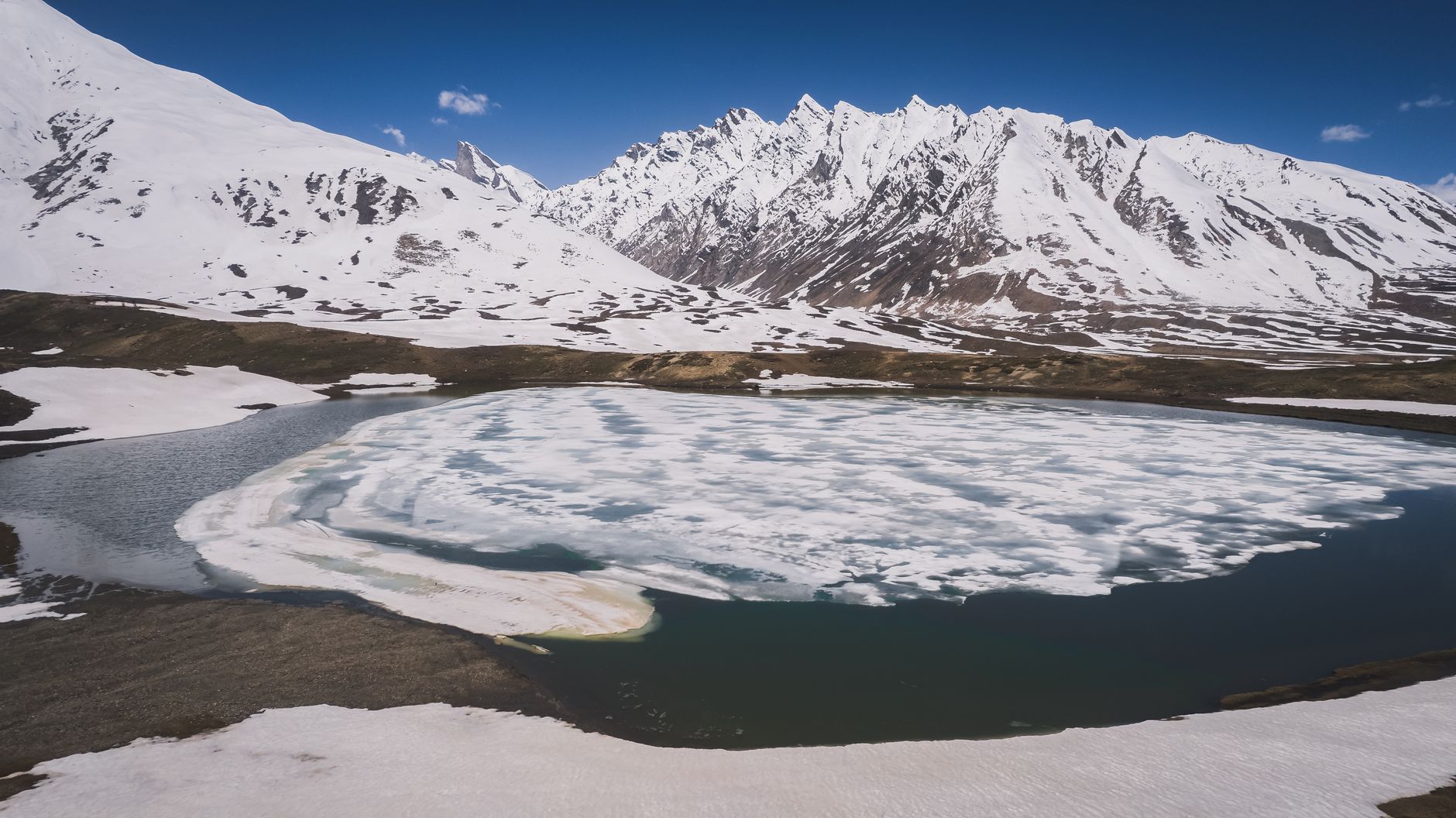
In the high-altitude villages of the Indian Himalayas, a remarkable innovation is taking shape: artificial glaciers. These ingenious structures are not only a testament to local ingenuity but also a critical response to the urgent challenge of water scarcity exacerbated by climate change. As Himalayan glaciers retreat, communities are finding new ways to ensure water security for their crops and livelihoods.
Key Takeaways
- Artificial glaciers are being created in Himalayan villages to secure water supplies for agriculture.
- These structures are essential for countering the effects of climate change and glacial melt.
- The project exemplifies community resilience and adaptation strategies.
- Artificial glaciers improve food security and economic stability in remote areas.
- The initiative highlights the importance of sustainable practices in water management.
Understanding Artificial Glaciers
Artificial glaciers, a concept gaining traction in the cold deserts of the Himalayas, are essentially large mounds of ice formed by channeling and freezing water from nearby streams. As temperatures drop in winter, the collected water freezes, creating a substantial ice mass. This ice gradually melts in the warmer spring months, providing a reliable source of water for irrigation when it is most needed. This innovative solution has catalyzed a transformation in how local farmers manage their water resources, ensuring their crops can flourish even as glacial melt becomes increasingly unpredictable.
In regions like Ladakh and parts of Himachal Pradesh, where traditional irrigation systems have often faltered due to changing climate conditions, artificial glaciers present a lifeline. Farmers can no longer rely solely on seasonal rains or glacial runoff, which have become erratic due to climate change. The creation of these ice pyramids is a response not just to immediate water shortages, but also to the long-term impacts of global warming that threaten the very fabric of rural life in these remote regions.
Why This Matters
The implications of artificial glaciers extend beyond individual villages and touch upon broader themes of sustainability and climate resilience. As global temperatures rise, communities around the world are grappling with water scarcity; this issue is particularly pressing in mountainous regions where water sources are highly dependent on glaciers. In this context, the artificial glacier initiative serves as a model of adaptive innovation that could be replicated in other vulnerable regions facing similar challenges.
This project also emphasizes the importance of indigenous knowledge and community involvement in addressing climate change. The local populations are not passive recipients of technology; they are active participants in designing and implementing solutions that fit their unique environmental and cultural contexts. By leveraging traditional practices alongside modern techniques, these communities are forging a path toward greater self-sufficiency and resilience.
Background and Context
The Himalayas, often referred to as the 'Third Pole' due to their vast glacial reserves, are vital not only for India but also for several neighboring countries. These glaciers feed major rivers that supply water for millions, making their health critical for both ecosystems and human populations. However, over the past few decades, rapid glacial retreat has been observed, with studies indicating that many glaciers in the region are melting at alarming rates due to rising global temperatures.
Traditionally, villages in the Himalayas have relied on seasonal snowmelt and glacial runoff for their water supply. However, as these sources diminish, communities have found themselves in dire straits. The artificial glacier initiative, pioneered by local farmers and supported by organizations like the Ladakh-based NGO, **Ladakh Eco-Community**, is a grassroots response to this pressing problem. By creating artificial glaciers, these communities are not only securing their immediate water needs but also contributing to the long-term sustainability of their agricultural practices.
Expert Analysis
The success of artificial glaciers hinges on several factors, including local climate conditions, community involvement, and technical expertise. The construction process typically involves diverting water from streams, which is then spread over a designated area to freeze. This method requires careful planning to ensure that the ice can accumulate effectively and that it will melt gradually during the growing season.
From a technical standpoint, the design of artificial glaciers can also vary. Some may be constructed in the shape of pyramids or mounds, while others may utilize more complex structures to maximize ice retention. Each community essentially customizes its approach based on local topography, temperature, and water availability. This localized strategy not only enhances its efficacy but also empowers communities by giving them ownership over the project.
Despite the promise of artificial glaciers, challenges remain. The effectiveness of these structures can be influenced by several factors, including temperature fluctuations and changes in precipitation patterns. Continuous monitoring and adaptive management are essential to ensure that these glaciers fulfill their intended purpose in a changing climate. Furthermore, engaging the younger generation in understanding and supporting these initiatives is crucial for the sustainability of such projects in the long run.
What This Means for Agriculture and Water Security
The introduction of artificial glaciers has profound implications for agriculture in the region. In areas where water scarcity previously jeopardized crop yields, these structures provide a reliable irrigation source during critical growing periods. This stability translates into higher agricultural productivity, which is vital for food security in these remote regions.
Moreover, as communities gain access to more consistent water supplies, they can diversify their crops. Farmers can experiment with new varieties that were previously impractical due to water limitations. This diversification not only enhances nutritional options for local diets but also creates economic opportunities through the sale of surplus produce. The shift towards water security can significantly uplift the overall economic condition of these villages, reducing poverty and improving livelihoods.
Frequently Asked Questions
What are artificial glaciers?
Artificial glaciers are structures created by freezing water collected from nearby streams, which serves as a water reservoir during warmer months, ensuring irrigation for crops.
How do artificial glaciers help in combating climate change?
They provide a sustainable water source in the face of diminishing glacial melt due to climate change, helping communities adapt to the changing environment.
Can artificial glaciers be replicated in other regions?
Yes, the concept can be adapted to suit other mountainous regions facing similar water scarcity challenges, emphasizing local engagement and environmental conditions.
What role do communities play in this initiative?
Local communities are actively involved in the design, construction, and maintenance of artificial glaciers, ensuring that solutions are tailored to their specific needs and knowledge.
The Road Ahead
The future of artificial glaciers in the Himalayas seems bright, yet it hinges on continued community engagement and innovation. As climate change intensifies, the demand for reliable water sources will only grow. Investing in education and training for local populations can ensure that the knowledge and skills necessary for the construction and maintenance of these glaciers are passed down through generations.
In addition, collaboration between governments, NGOs, and the scientific community can enhance the effectiveness of these initiatives. By conducting research on best practices and sharing insights across regions, the artificial glacier model can be refined and implemented more widely, providing a crucial tool in the global effort to adapt to climate change.