Revolutionizing Communication: The Rise of Brain-Computer Interfaces
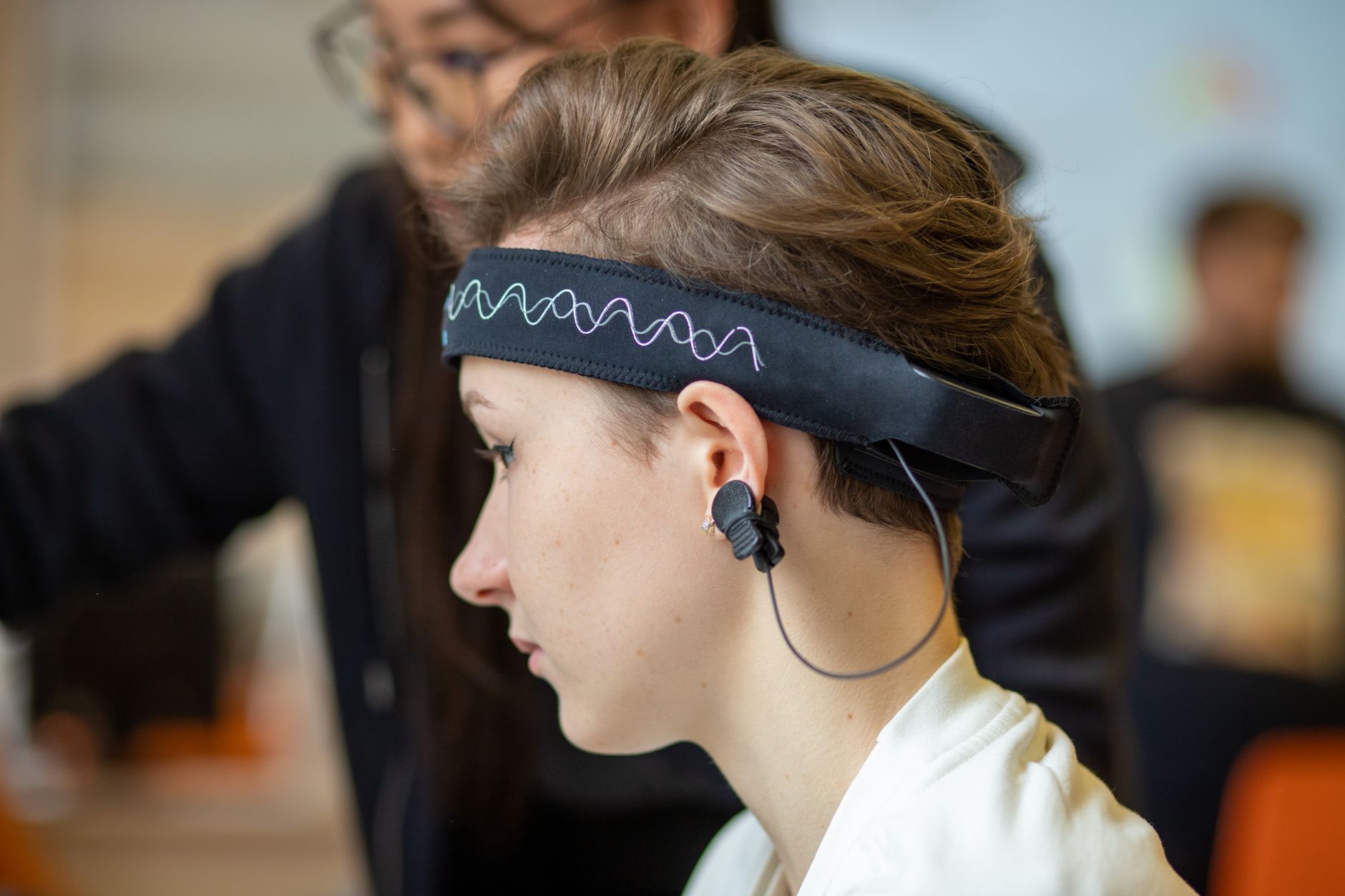
The advent of brain-computer interfaces (BCIs) marks a significant turning point in the intersection of technology and human capability. For individuals suffering from severe disabilities, such as Casey Harrell—who has ALS and is described as the “first power user” of a BCI—these technologies are not just innovations; they are lifelines. As trials of BCIs advance, the implications for communication, autonomy, and even societal integration are profound.
Key Takeaways
- Casey Harrell is the first verified power user of a brain-computer interface, showcasing its potential for those with severe disabilities.
- The technology allows users to communicate effectively despite severe physical limitations, transforming quality of life.
- As BCI trials expand, ethical considerations regarding accessibility and the implications of such technology on human experience must be addressed.
- Research indicates a growing interest from tech giants in developing more advanced BCIs, heralding a new era of neurotechnology.
- The success of BCIs could lead to breakthroughs in treating various neurological disorders, enhancing our understanding of brain functions.
Brain-Computer Interface Trials: A Breakthrough in Communication
Casey Harrell's journey exemplifies the potential of brain-computer interfaces to change lives. After nearly three years of using an implant, Harrell, who is paralyzed and has difficulty communicating due to ALS, has become a pivotal figure in BCI research. The device connects directly to his brain, enabling him to express thoughts and ideas previously trapped behind the limitations of his condition.
The BCI technology Harrell employs interprets brain signals, translating them into digital commands that can be used for communication. This remarkable capability not only provides a means of expression but also empowers Harrell to engage more fully with the world around him. As researchers continue to refine the technology, the implications extend beyond just improving communication; they highlight the potential for BCIs to restore a sense of agency and independence to those affected by debilitating conditions.
Why This Matters
The implications of successful BCI trials are vast, reaching into both medical and societal realms. For individuals like Harrell, BCIs offer a chance to reclaim a voice, fostering greater participation in social interactions and decision-making processes. The technology also opens doors for individuals with other neurological disorders, such as stroke victims or individuals with traumatic brain injuries, who may benefit from similar advancements.
From a broader perspective, the increasing focus on BCI technology signifies a shift in how society views disability. It challenges us to reconsider notions of communication, identity, and autonomy. As BCIs become more mainstream, the conversation about accessibility and inclusivity in technology will gain momentum, pushing for policies that ensure equitable access to these life-changing tools.
Background and Context
Brain-computer interfaces are not entirely new; the concept has been in development for decades. Early research in the 1970s began to explore the potential for direct brain-to-computer connections, predominantly focusing on neurological applications. However, significant advancements in materials science, neuroengineering, and digital signal processing have propelled the field forward in recent years. The integration of advanced machine learning techniques has further improved the ability to interpret brain signals accurately.
Despite early skepticism about the efficacy and safety of BCIs, recent trials have demonstrated their potential. The FDA has granted breakthrough device designation to several BCI projects, signifying a recognition of their transformative potential. With the combination of academic research, private sector investment, and a growing pool of users like Harrell, the field is on the cusp of rapid evolution.
Expert Analysis
While the success of Casey Harrell's case is promising, it raises important questions about the future of BCI technology. One critical aspect is the scalability of such solutions. While Harrell's experience is groundbreaking, the technology must be adaptable to a wider range of users with varying conditions and needs. This requires extensive testing and iteration to ensure that BCIs can be effective across diverse neurological profiles.
Additionally, the ethical implications surrounding BCI usage cannot be overlooked. As this technology advances, issues of privacy, consent, and data security become paramount. For instance, how do we safeguard the thoughts and intentions of individuals using BCIs? The potential for misuse, whether through hacking or unauthorized access to neural data, necessitates robust frameworks to protect users.
Furthermore, the social implications of BCIs will require careful navigation. As the technology advances, will it exacerbate existing inequalities in healthcare or technology access? Ensuring that BCIs are available to all individuals, regardless of socioeconomic background, is vital to avoid creating a two-tiered system where only a select few can benefit from such advancements.
What This Means for Users and Developers
For users, the implications of BCI technology are profound. Individuals with severe disabilities can find new avenues for communication and expression, fundamentally altering their quality of life. Empowering users with technology that enables them to convey their thoughts directly could enhance social interactions and reintegrate them into communities.
For developers and researchers, the focus should shift toward creating inclusive and adaptable BCI systems. This means engaging with potential users early in the design process to ensure that the technology meets their needs. Additionally, there should be emphasis on creating user-friendly interfaces that require minimal training, thus enabling users to harness the full potential of BCIs without overwhelming technical hurdles.
Frequently Asked Questions
What is a brain-computer interface (BCI)?
A brain-computer interface (BCI) is a technology that enables direct communication between the brain and an external device, allowing individuals to control devices or communicate using brain signals.
How does a BCI work?
BCIs work by interpreting electrical signals generated by brain activity. These signals are captured through electrodes placed on the scalp or implanted in the brain, then translated into commands for a computer or other devices.
What are the potential applications of BCIs?
BCIs have a wide range of applications, including aiding individuals with disabilities in communication, controlling prosthetic limbs, enhancing gaming experiences, and even providing new therapeutic avenues for neurological disorders.
What are the ethical concerns surrounding BCIs?
Ethical concerns related to BCIs include issues of privacy, data security, consent, and equitable access to the technology. As BCIs become more prevalent, addressing these concerns will be critical to ensure that advancements benefit all individuals fairly.
The Road Ahead
The future of brain-computer interfaces is filled with promise and potential challenges. As research continues to evolve, we may see significant breakthroughs not only in the technology itself but also in our understanding of the brain's complexities. This could lead to BCIs becoming more personalized, with systems tailored to individual neurological profiles, enhancing their effectiveness and usability.
However, navigating the ethical landscape will be integral to fostering public trust and acceptance. As we advance into this new frontier, a collective effort from researchers, policymakers, and ethicists will be essential to ensure that BCIs serve as tools for empowerment rather than sources of division. The road ahead is not just about technological advancement; it is about shaping a future where technology enhances human connection and dignity.