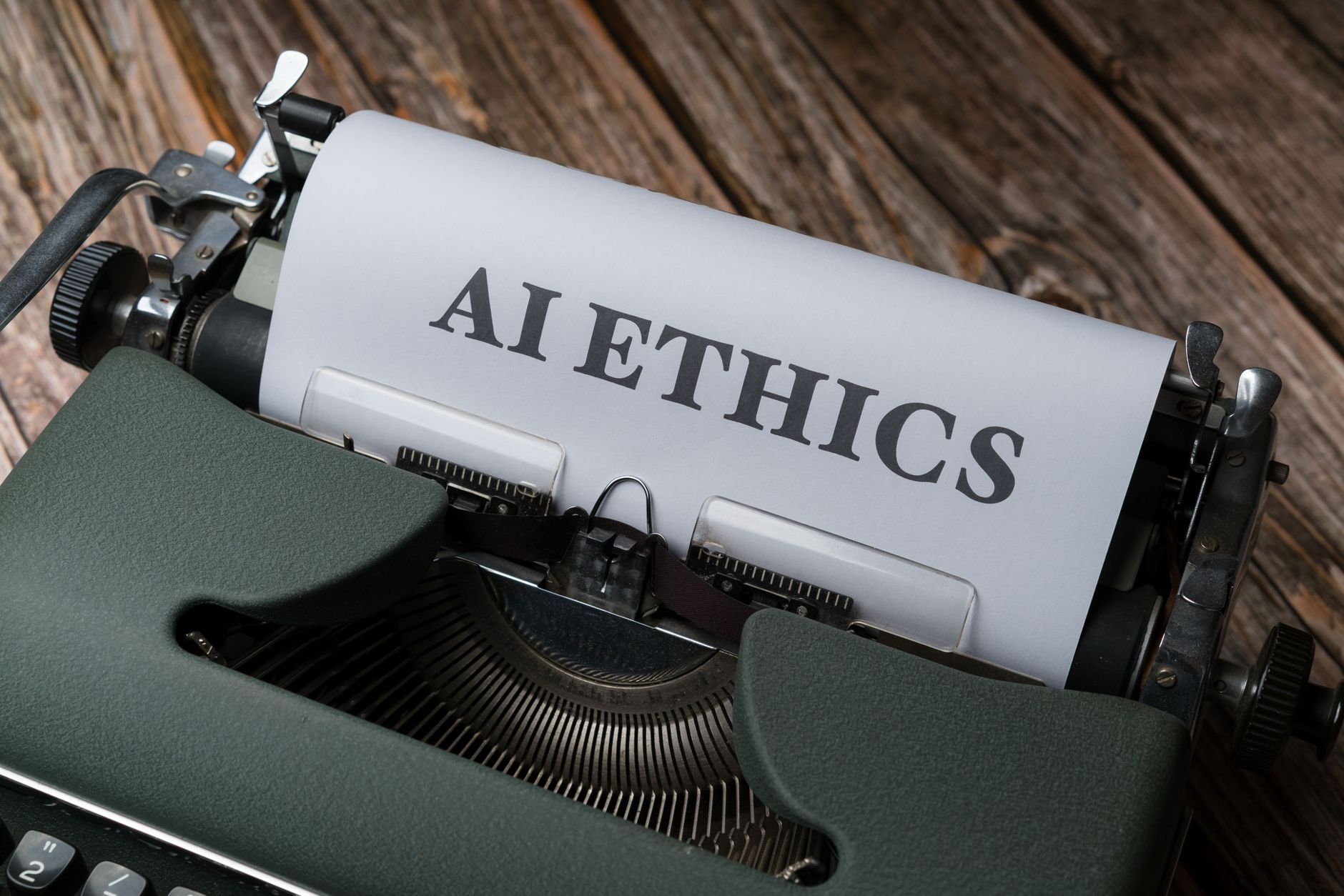
Study Reveals Chatbots May Undermine Critical Thinking Skills

As our world increasingly intertwines with artificial intelligence, the ramifications of this relationship are coming into sharper focus. A new study from the Massachusetts Institute of Technology has raised critical questions about the long-term effects of our reliance on chatbots, highlighting that such dependence might erode our critical-thinking abilities. As AI tools become more integrated into our daily lives, understanding their implications has never been more urgent.
Key Takeaways
- A recent MIT study suggests that over-reliance on chatbots can diminish critical-thinking skills.
- The study indicates a potential decrease in individuals' ability to discern misinformation.
- AI tools are becoming increasingly sophisticated, raising concerns about critical engagement with information.
- As manipulated content becomes more prevalent, developing critical skills is essential for combating misinformation.
- Experts warn that diminished critical-thinking skills may impact professional and personal decision-making.
Understanding the Research Findings
The MIT study presents alarming insights into the cognitive effects of using chatbots. Conducted over several months, researchers observed participants who frequently interacted with AI-driven conversational agents. Results indicated that individuals who relied heavily on chatbots for information and decision-making exhibited a marked decline in critical-thinking skills compared to those who engaged with traditional information sources.
More specifically, the research revealed that consistent reliance on chatbots led to a decrease in the ability to analyze and evaluate information critically. Participants who used chatbots as primary sources often found it challenging to distinguish between factual information and misinformation. The study underscores that as AI-generated content becomes more sophisticated, individuals may unwittingly accept false narratives as truth.
Why This Matters
The implications of this study extend far beyond the academic realm. In a world where misinformation can spread like wildfire through social media and online platforms, the ability to critically evaluate information is paramount. As chatbots and AI tools become more integrated into educational and professional settings, the potential for diminished critical thinking raises serious concerns about how individuals process and interpret information.
Moreover, the erosion of critical-thinking skills can have significant ramifications in various aspects of life, including decision-making in business, healthcare, and personal relationships. As individuals become less equipped to discern factual information from misleading content, their decisions may be influenced by inaccuracies, leading to potentially harmful outcomes.
Background and Context
Historically, the influence of technology on cognitive skills has been a subject of debate. From the advent of the internet to the rise of smartphones, each technological advancement has prompted questions about its impact on our cognitive abilities. The introduction of AI and chatbots marks a new chapter in this ongoing conversation.
As chatbots gain traction in various domains, including customer service, education, and mental health, the potential for over-reliance raises concerns. While these tools can enhance efficiency and accessibility, they also risk creating a dependency that undermines our ability to engage critically with information. The MIT study serves as a timely reminder of the need to strike a balance between leveraging AI tools and maintaining our cognitive faculties.
Expert Analysis
Experts in cognitive psychology and education have voiced their concerns regarding the findings of the MIT study. Dr. Sarah Thompson, a leading researcher in cognitive processes, emphasizes that while AI can provide valuable insights, it is essential for users to actively engage with the information presented. "Critical thinking is not just about processing information; it's about questioning and evaluating it. When users rely on chatbots as the sole source of information, they risk losing that critical engagement," she states.
Furthermore, Dr. Thompson argues that the implications extend to education systems, where students may benefit from integrating AI tools into their learning experiences while simultaneously fostering critical-thinking skills. Educational institutions must emphasize the importance of evaluating sources and encouraging students to question the information provided by AI systems. The challenge lies in designing curricula that leverage the benefits of AI without compromising essential cognitive skills.
What This Means for Users and Developers
For users, the findings of the MIT study underscore the importance of maintaining a critical mindset when engaging with AI tools. As chatbots become more sophisticated, users must develop the skills needed to critically evaluate the information presented. This involves cross-referencing sources, questioning the motivations behind certain responses, and being aware of potential biases embedded within AI systems.
Developers, on the other hand, have a responsibility to design AI tools that promote critical engagement. This could involve incorporating features that encourage users to explore multiple perspectives or providing disclaimers regarding the limitations of AI-generated content. By enhancing transparency and fostering critical thinking, developers can contribute to a healthier relationship between users and AI technologies.
Frequently Asked Questions
What are critical-thinking skills?
Critical-thinking skills refer to the ability to analyze, evaluate, and synthesize information in a logical and coherent manner. These skills involve questioning assumptions, identifying biases, and making informed decisions based on evidence.
How do chatbots impact critical thinking?
Chatbots can impact critical thinking by providing information without encouraging users to engage critically. Over-reliance on chatbots may lead to passive acceptance of information, diminishing the user's ability to question and evaluate the information presented.
What are the implications of diminished critical thinking?
Diminished critical thinking can lead to poor decision-making in various aspects of life, including personal relationships, professional settings, and public discourse. It may also contribute to the spread of misinformation, as individuals may struggle to discern factual information from false narratives.
How can users improve their critical-thinking skills?
Users can improve their critical-thinking skills by actively engaging with information, questioning assumptions, seeking multiple perspectives, and cross-referencing sources. Mindfulness and reflection are also essential practices for enhancing critical thinking.
The Road Ahead
As we navigate the evolving landscape of artificial intelligence, the findings of the MIT study serve as a crucial reminder of the importance of critical thinking. The future of our relationship with AI hinges on our ability to engage thoughtfully with technology while preserving our cognitive faculties. Educational initiatives, public awareness campaigns, and collaborative efforts between technology developers and educators can help foster a culture that values critical engagement.
Looking ahead, it is imperative that we strike a balance between leveraging the benefits of AI tools and maintaining our ability to think critically. By prioritizing education and awareness, we can ensure that the next generation is equipped to navigate a world increasingly shaped by artificial intelligence.