China Grounds Light Aircraft Following Tower Crash: Implications and Analysis
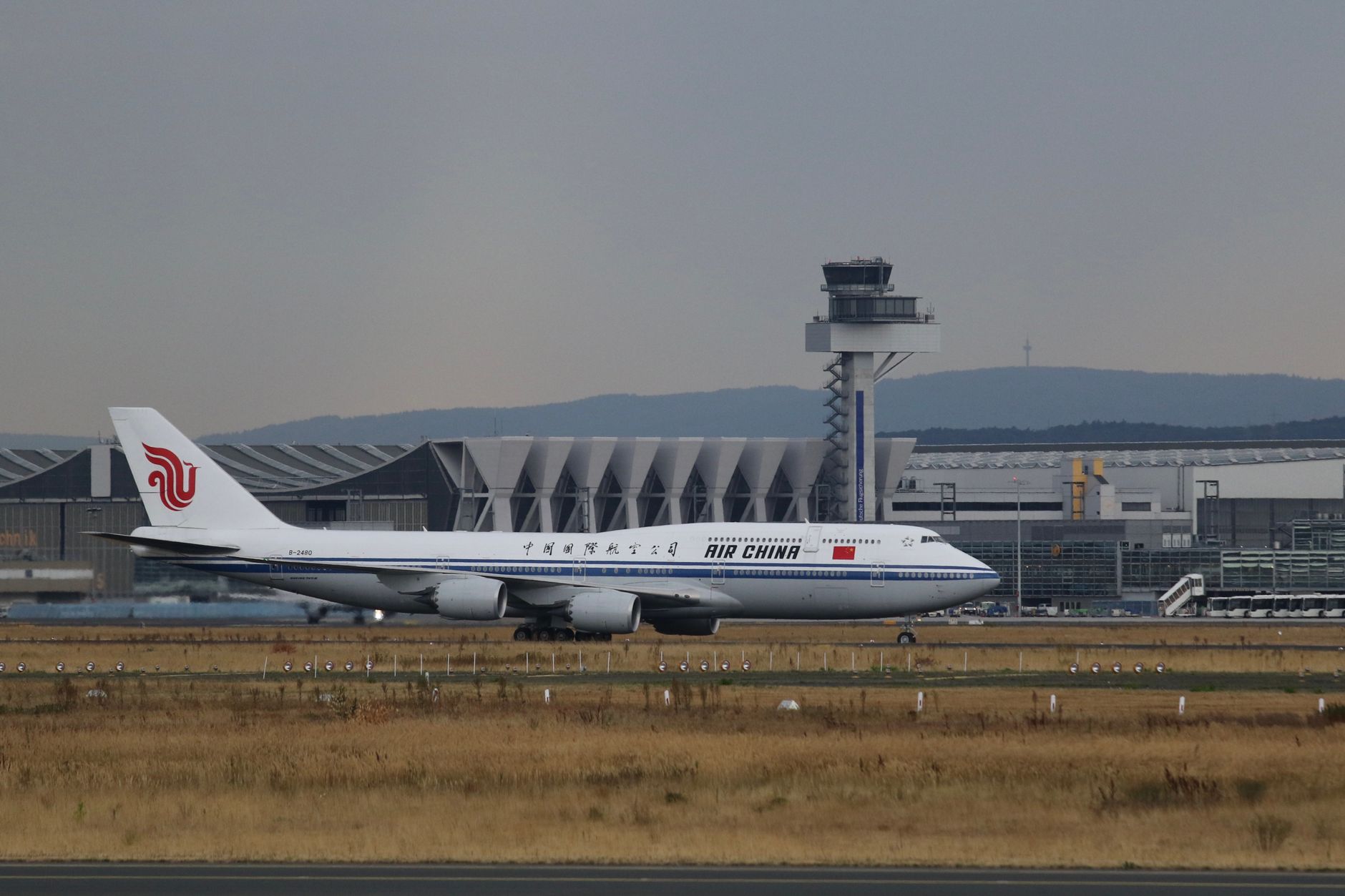
The recent crash of a light aircraft into a tower in Beijing has sent shockwaves through China's aviation sector, leading to immediate and sweeping airspace controls. With authorities implementing indefinite nationwide restrictions on light aircraft operations, the incident raises critical questions about aviation safety and regulatory oversight in China. As the aviation industry grapples with these new challenges, the implications extend beyond immediate operational disruptions.
Key Takeaways
- China has imposed indefinite airspace controls on light aircraft following a crash into a tower in Beijing.
- The restrictions come amidst growing concerns over aviation safety and regulatory compliance.
- The incident highlights a need for enhanced safety measures and operational protocols in light aviation.
- Potential economic impacts include losses for flight operators and related businesses in the industry.
- Experts suggest that this event may lead to stricter regulations and a reassessment of current safety practices.
What Happened
On a seemingly routine day in Beijing, a light aircraft crashed into a tower, prompting immediate emergency responses from local authorities. The nature of the incident raised alarms not only due to the loss of aircraft but also because of where it occurred—near a heavily populated urban area. In response to this alarming event, the Civil Aviation Administration of China (CAAC) announced indefinite nationwide airspace controls affecting all light aircraft operators.
This unprecedented decision came swiftly, indicating the seriousness with which the authorities are treating the safety of both air traffic and ground personnel. The CAAC's actions suggest a desire to prevent further incidents and to reassess existing safety regulations governing light aviation, which has seen a surge in popularity in recent years.
The specifics of the crash are still under investigation, with details about the aircraft type and the circumstances surrounding the flight yet to be fully disclosed. Eyewitness accounts described a loud noise followed by chaos as the aircraft collided with the tower, highlighting the potential risks associated with light aircraft operations in urban settings.
Why This Matters
The grounding of light aircraft in China is significant for several reasons, primarily concerning public safety and the broader aviation industry. As the country continues to modernize its aviation sector, the incident raises critical questions about regulatory frameworks and safety protocols. Such measures are essential not only to protect lives but also to maintain public trust in aviation as a safe mode of transport.
Moreover, the economic implications are substantial. Light aircraft operations support various sectors, including tourism, agricultural services, and even emergency medical transport. With indefinite restrictions in place, these industries may face operational challenges, leading to potential financial losses and decreased service availability. The ripple effects could extend to manufacturers of light aircraft and associated equipment, further complicating the situation.
Background and Context
Light aviation in China has enjoyed a period of growth, supported by increasing interest in recreational flying and the use of light aircraft for various commercial purposes. The CAAC has been gradually reforming its regulatory framework to accommodate this growth, aiming to promote the safe integration of light aircraft into the national airspace.
Historically, China has maintained a cautious approach to aviation safety, influenced by previous incidents that underscored the importance of strict regulatory oversight. The recent crash serves as a stark reminder of the inherent risks involved in aviation, particularly as more individuals take to the skies in light aircraft. As the authorities grapple with this incident, it may prompt a reevaluation of existing regulations to enhance safety measures.
Expert Analysis
The grounding of light aircraft may be seen as a necessary but reactive measure in the wake of a crisis. Experts argue that while immediate safety concerns must be addressed, this situation also presents an opportunity for the CAAC to implement long-term improvements in aviation safety. The incident underscores the need for comprehensive training programs for pilots operating light aircraft, as well as stringent maintenance protocols for aircraft and equipment.
Additionally, the lack of data regarding the aircraft's operational history and the pilot's qualifications raises concerns about the current vetting processes in place for light aviation. The CAAC may need to enhance its oversight capabilities and create more robust reporting requirements to prevent similar incidents in the future. This could involve a combination of tighter regulations and increased collaboration with industry stakeholders to foster a culture of safety.
Another critical area for consideration is the integration of technology in aviation safety. Current advancements in avionics and flight safety systems can provide valuable tools for preventing accidents. Incorporating these technologies into regulatory frameworks may enhance safety, ensuring that light aircraft operations can proceed without compromising public welfare.
What This Means for the Aviation Industry
The indefinite grounding of light aircraft has immediate and far-reaching implications for the aviation industry in China. Flight operators face operational upheaval as they adjust to the new airspace controls, potentially leading to layoffs and financial strain. Smaller operators, in particular, may struggle to navigate these challenges, as their business models are often reliant on consistent flight schedules and customer demand.
For users and enthusiasts of light aviation, these restrictions may dampen interest and participation in recreational flying, which has become increasingly popular. The industry's growth trajectory could be disrupted, leading to a decline in new entrants and investment in light aircraft manufacturing and services.
On a broader scale, this incident may lead to a reexamination of the regulatory environment for aviation in China. As the CAAC responds to this crash, it could pave the way for more stringent regulations that impact all sectors of aviation, including commercial airlines. The emphasis on safety may result in increased compliance costs for operators, as they work to meet new standards.
Frequently Asked Questions
What specific measures are being taken in response to the crash?
The Civil Aviation Administration of China (CAAC) has implemented indefinite airspace controls on light aircraft, focusing on safety assessments and compliance with regulatory frameworks. Investigations into the crash are ongoing, and further measures may emerge as the situation develops.
How will this affect flight operations in China?
Flight operations, particularly for light aircraft, will face significant disruptions as operators comply with the new airspace controls. This could lead to cancellations and adjustments in service availability, impacting both commercial and recreational flying.
What are the potential economic impacts of this incident?
The grounding of light aircraft may lead to financial losses for operators, a decline in tourism, and a slowdown in related industries. The long-term economic effects will depend on how quickly and effectively the industry adapts to the new regulatory environment.
Will this lead to permanent changes in aviation regulations?
While it is too early to determine, the incident may prompt the CAAC to reevaluate existing regulations, potentially leading to stricter safety protocols and oversight for light aviation operations in the future.
The Road Ahead
The aviation community in China stands at a crossroads following the recent incident. The immediate focus will be on ensuring safety and preventing future occurrences, but the longer-term implications of this crash cannot be overstated. As the CAAC navigates the complex landscape of aviation regulations, stakeholders must work collaboratively to foster a culture of safety while balancing the growth of the industry.
Looking ahead, the integration of technology and data-driven approaches to safety management could transform how light aviation operates in China. By embracing advancements in aviation technology, the industry can enhance safety protocols, ensuring that the skies remain safe for all. This incident may ultimately serve as a catalyst for positive change within the aviation sector, leading to a safer and more sustainable future for light aircraft operations.