Estonian Minister Calls for Stray Drone Strikes Against Russia
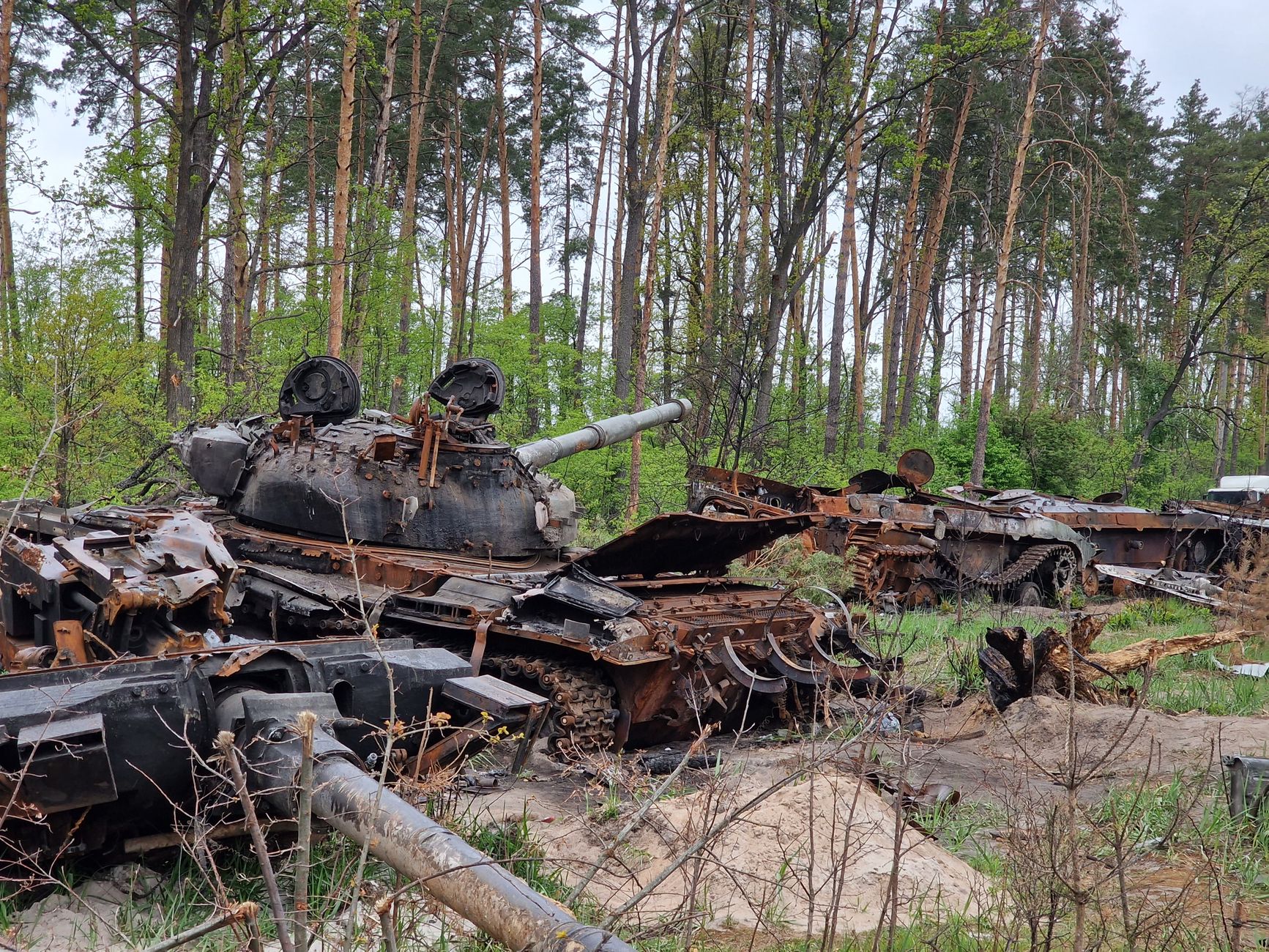
The ongoing conflict between Ukraine and Russia has led to a complex interplay of military strategies and diplomatic negotiations. In a bold statement, Estonian Minister Margus Tsahkna has suggested that stray Ukrainian drones may justify the cost of retaliatory strikes against Russia. This assertion raises critical questions about the ethical implications of drone warfare, the effectiveness of military strategies, and the geopolitical landscape in Eastern Europe.
Key Takeaways
- Estonian Minister Margus Tsahkna advocates for utilizing stray Ukrainian drones to strike Russian targets.
- Tahkna argues that EU negotiations with Moscow are premature given the current military situation.
- The statement reflects a broader sentiment among Eastern European nations regarding their security and defense policies.
- Analysis of drone warfare raises ethical questions about collateral damage and civilian safety.
- Potential repercussions for EU-Russia relations as discussions regarding negotiations continue.
Overview of the Situation
In recent months, the war in Ukraine has drawn intense scrutiny from global leaders, particularly in Europe. The conflict, which began in 2014 and escalated dramatically in 2022, has become a flashpoint for international relations. With Ukraine's reliance on drone technology for both offensive and defensive operations, the discourse around these unmanned aerial vehicles has evolved.
Margus Tsahkna's comments come as part of a broader conversation about the implications of drone warfare. According to Tsahkna, the stray drones that have occasionally hit Russian territory could warrant a response that goes beyond conventional military engagement. He argues that the cost of such actions might be justified as a means of deterrence against further Russian aggression.
Why This Matters
The implications of Tsahkna's assertions extend far beyond the immediate military context. For countries in Eastern Europe, the threat posed by Russia remains tangible, and the discussions around military strategies are intertwined with national security concerns.
Additionally, Tsahkna's comments highlight a growing division within the European Union regarding how to handle relations with Moscow. Some member states advocate for a strong military response, while others favor diplomatic negotiations. This divergence could affect the EU's ability to present a unified front in the face of Russian aggression.
Background and Context
The use of drones in modern warfare is not a new phenomenon. Since their inception, drones have evolved significantly, transforming into pivotal tools for surveillance, reconnaissance, and direct strikes. Ukraine has leveraged this technology effectively, using drones to target specific military assets and conduct intelligence operations against Russian forces.
In the context of the ongoing war, the presence of drones has shifted the dynamics of combat. Ukraine's ability to conduct drone strikes has not only demonstrated tactical advantages but also raised questions about the ethics of using such technology. The potential for collateral damage and civilian casualties complicates the narrative around drone warfare, inviting criticism from various quarters.
Expert Analysis
The assertion made by Tsahkna necessitates a closer examination of drone warfare and its broader implications. Stray drone strikes against Russian targets represent a significant escalation in the conflict, signaling a willingness to adopt a more aggressive military strategy. By suggesting that such actions may be justified, Tsahkna is advocating for a shift in the rules of engagement.
From a military perspective, using stray drones for strikes can be seen as a tactical maneuver. It allows Ukraine to project power and demonstrate its capability to retaliate against perceived threats. However, the ethical implications cannot be overlooked. The potential for civilian casualties and international condemnation raises critical questions about the legitimacy of such actions.
Furthermore, this approach could provoke a retaliatory response from Russia, escalating the conflict further. The risk of miscalculation in warfare is high, and the introduction of drone strikes as a regular tactic may lead to unintended consequences. Therefore, while the notion of using stray drones may appeal to certain defense strategies, it is essential to consider the broader ramifications on regional stability.
What This Means for Eastern European Nations
The sentiment expressed by Tsahkna reflects a broader anxiety among Eastern European nations regarding their security in the face of Russian aggression. Countries such as Estonia, Latvia, and Lithuania have historically been wary of Moscow's intentions, and the ongoing war in Ukraine has only intensified these concerns.
For these nations, military preparedness and the ability to respond to threats are paramount. Tsahkna's call for action may resonate with other defense leaders in the region, prompting a reevaluation of military strategies and alliances. Eastern European countries may feel compelled to strengthen their defenses, potentially increasing military spending and seeking closer ties with NATO and other allies.
Frequently Asked Questions
What are the implications of using drones in warfare?
The use of drones in warfare can enhance military capabilities but also raises ethical concerns regarding civilian safety and collateral damage.
How does Estonia's position affect EU negotiations with Russia?
Estonia's position, as articulated by Tsahkna, suggests a more aggressive stance towards Russia, potentially complicating EU negotiations and unity.
What role do drones play in the Ukrainian conflict?
Drones have become crucial for Ukraine, enabling targeted strikes and reconnaissance operations against Russian forces.
Are there risks associated with drone warfare?
Yes, drone warfare carries risks of miscalculation, civilian casualties, and the potential for escalating conflicts.
The Road Ahead
Looking forward, the discourse surrounding drone warfare and military strategy in Eastern Europe is likely to intensify. The ongoing conflict in Ukraine serves as a litmus test for drone technology and its implications for modern warfare. As nations grapple with the ethical, tactical, and geopolitical ramifications of drone strikes, it will be essential for leaders to navigate these complexities thoughtfully.
Furthermore, the potential for increased military spending and strengthening of alliances among Eastern European nations may lead to a recalibration of the security landscape in the region. Countries like Estonia may find themselves at the forefront of a broader conversation about defense and deterrence, shaping the future of European security.