General Intuition’s $2.3B Vision: Training AI with Video Games
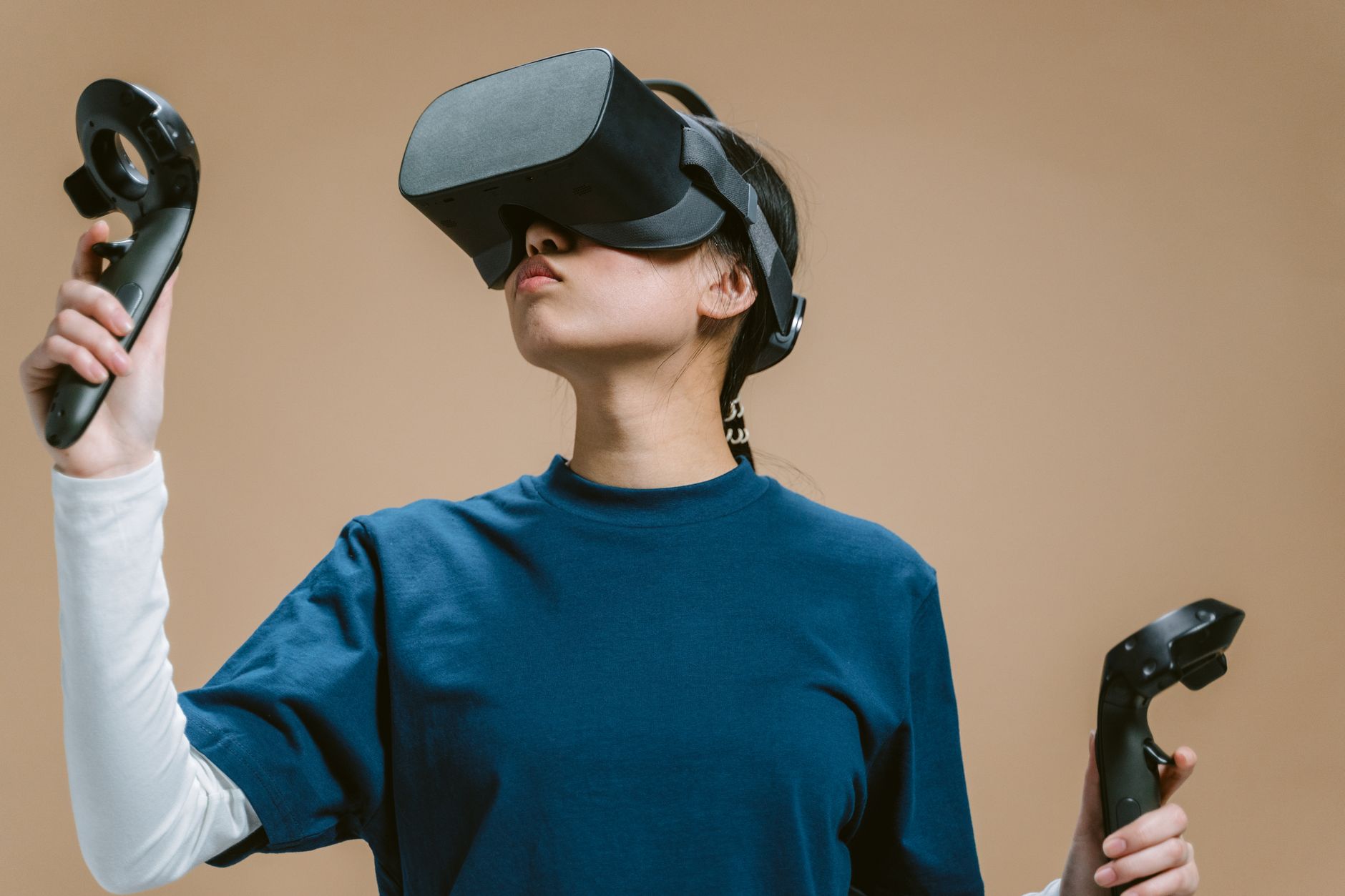
In a bold move that could redefine the interplay between artificial intelligence and human-like decision-making, General Intuition has raised $320 million to expand its ambitious project aimed at harnessing video games as a training ground for AI agents. This investment is part of a larger vision involving a staggering $2.3 billion commitment to develop AI systems that can learn from millions of hours of gameplay. The premise is simple yet profound: can the rich, interactive environments of video games foster a form of intelligence that closely mirrors human intuition?
Key Takeaways
- General Intuition has secured $320 million to advance AI trained via video game mechanics.
- The company aims to develop AI that can exhibit human-like intuition and decision-making.
- Video games provide a unique dataset, rich in action-reaction scenarios, ideal for AI training.
- This investment reflects a growing trend in the tech industry—leveraging gaming for practical AI applications.
- The implications of this approach could extend beyond gaming into various real-world applications.
What Happened?
General Intuition’s recent funding round is a significant milestone, reflecting both the company’s confidence in its unique methodology and the broader market’s interest in innovative AI training techniques. The company has been developing AI systems that leverage the complex environments found in video games—environments rich in strategy, unpredictability, and dynamic interactions.
This $320 million investment will enable General Intuition to scale its operations, building on the insights gained from analyzing millions of hours of gameplay data. By studying how players navigate challenges, make decisions, and react to unforeseen circumstances, the company believes it can cultivate AI agents that not only perform tasks but also adapt to new situations with a level of dexterity akin to that of humans.
The rationale is straightforward: traditional methods of AI training often rely heavily on structured datasets, which can lack the complexity and nuance found in real-world scenarios. By utilizing video games as a platform for AI training, General Intuition hopes to bridge this gap, offering a more holistic approach to machine learning.
Why This Matters
The implications of General Intuition’s approach extend far beyond the realm of gaming. As industries increasingly integrate AI into their operations, the demand for more sophisticated, adaptable AI systems has never been higher. The ability to mimic human intuition could lead to breakthroughs in various sectors, from autonomous vehicles to healthcare diagnostics and beyond.
Consider the automotive industry, where AI is tasked with making split-second decisions in complex environments. If these systems can learn from simulated experiences in video games, their performance on real roads could become significantly more reliable. Similarly, in healthcare, AI that understands complex biological interactions through game-based learning could revolutionize patient care and treatment protocols.
Background and Context
The concept of using video games for AI training is not entirely new, but it has gained traction as the gaming industry has evolved. Over the past few decades, video games have transformed from simple entertainment into immersive experiences that require strategic thinking, quick reflexes, and social interaction. These elements create rich datasets that are invaluable for training AI.
One notable example of this approach is OpenAI’s work with reinforcement learning in games like Dota 2 and StarCraft II. These games present complex scenarios that challenge AI to learn and adapt in real time, providing insights into how machines can develop strategies akin to human players. General Intuition aims to build on these foundational concepts, pushing the boundaries of what’s possible in AI learning.
Expert Analysis
General Intuition's strategy reflects an understanding of both the potential and limitations of current AI training methodologies. Traditional AI often struggles with unpredictable environments, primarily because it relies on pre-defined rules and datasets that do not account for real-world complexity. In contrast, video games offer a controlled yet dynamically evolving landscape where AI can experiment and learn iteratively.
Moreover, the sheer volume of data generated through gameplay interactions is a treasure trove for machine learning algorithms. Unlike standard datasets that may cover a narrow scope, data from video games encompasses a wide array of player behaviors, strategies, and outcomes, providing a comprehensive learning platform. This diversity is crucial for training AI that can operate effectively in the real world.
Moreover, the financial backing General Intuition has secured indicates a growing recognition in the tech industry of the value of innovative training techniques. Investors are increasingly looking for companies that can demonstrate a clear path to breakthrough AI capabilities, and General Intuition’s approach offers a compelling narrative.
What This Means for Developers
For developers, the rise of AI trained through video games presents both opportunities and challenges. On one hand, there is the potential to create more advanced AI systems capable of handling complex tasks with greater efficiency and adaptability. This could lead to the development of applications that require nuanced decision-making, such as personal assistants that understand user preferences or autonomous systems that navigate unpredictable environments.
On the other hand, the success of this approach will depend on the ability of developers to translate insights gained from gaming into practical applications. Bridging the gap between virtual training environments and real-world applications will require careful consideration of how AI interprets and responds to new, unstructured data. Developers will need to focus on refining their models to ensure they can generalize well across different scenarios.
Frequently Asked Questions
How can video games help train AI?
Video games create complex environments filled with challenges, strategies, and interactions that are ideal for training AI. By analyzing player behaviors and decisions, AI can learn to navigate similar real-world scenarios effectively.
What industries could benefit from AI trained on gaming data?
Several industries could benefit, including automotive (for autonomous driving), healthcare (for diagnostics), and customer service (for personalized AI assistants). The ability to mimic human intuition could enhance decision-making in these sectors.
What are the limitations of traditional AI training methods?
Traditional AI training often relies on structured datasets that may not capture the complexity of real-world scenarios. This can lead to AI systems that struggle to adapt to unpredictable situations.
What does the future look like for AI trained with video games?
The future is promising, as advancements in AI trained through gaming could lead to more sophisticated applications across various fields. These developments may revolutionize industries by providing AI systems that are more intuitive and adaptable.
The Road Ahead
As General Intuition embarks on this ambitious journey, the implications of its work could reshape not only the gaming industry but also the broader landscape of AI development. The company’s focus on human-like intuition in AI could lead to breakthroughs that enhance user experiences across a range of applications.
Looking forward, the success of this approach will depend on continuous innovation and collaboration within the tech community. As developers, researchers, and investors come together to explore the potential of gaming in AI training, we may witness the emergence of AI systems that not only perform tasks efficiently but also understand and adapt to complex human behaviors and decisions.