German Rail Services Resume After Nationwide Radio Failure: What Happened?
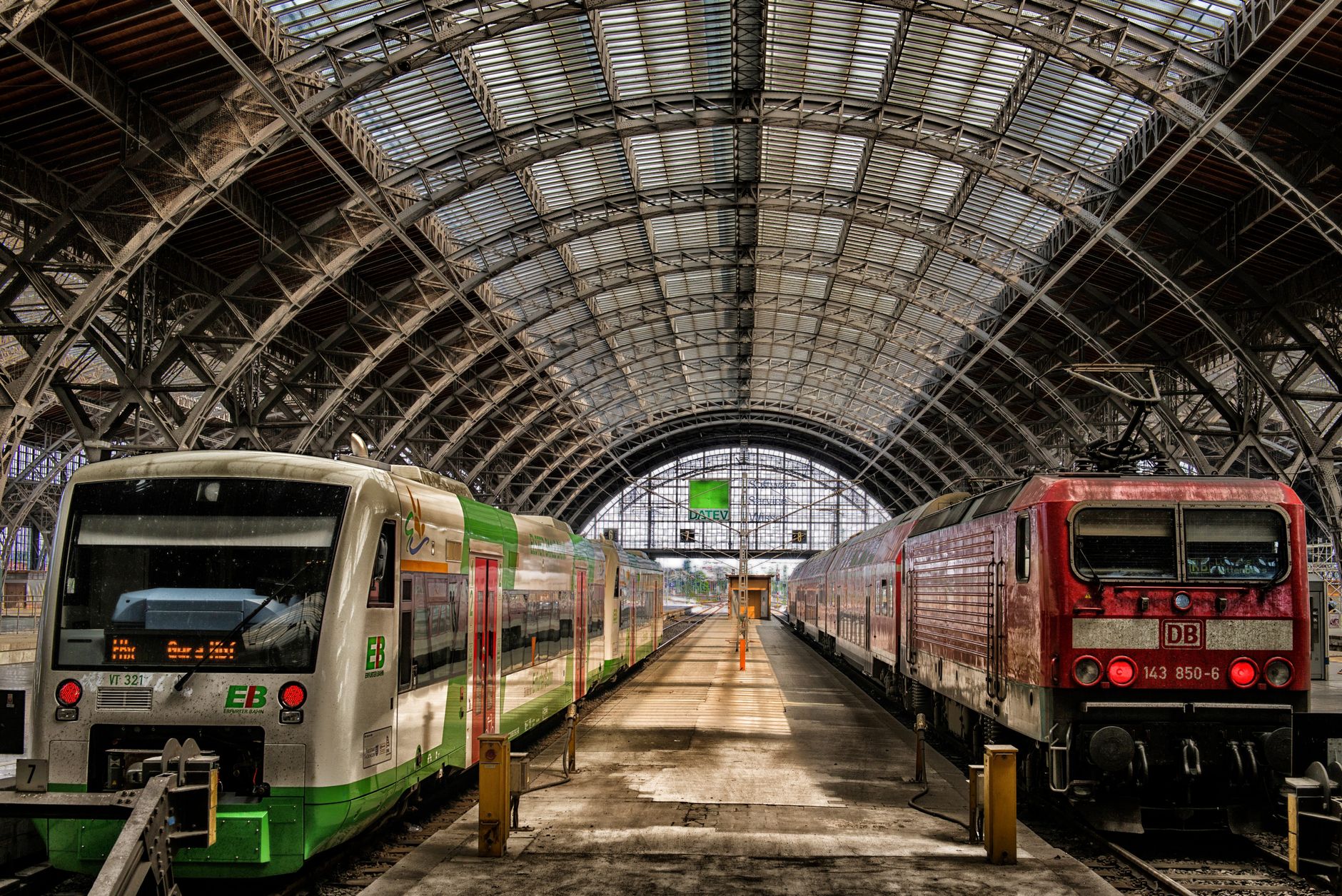
The sudden halt of Germany’s national rail services due to a communications system outage not only disrupted the travel plans of thousands but also raised significant concerns regarding the reliability of critical infrastructure. This event serves as a stark reminder of the vulnerabilities inherent in even the most advanced technological systems, and the far-reaching implications such failures can have on everyday life.
Key Takeaways
- The German rail network experienced a nationwide shutdown due to a radio communication failure.
- Services resumed on Wednesday morning, but the incident revealed systemic vulnerabilities.
- Public transport disruptions can have cascading effects on the economy and daily life.
- This event highlights the importance of robust and redundant communication systems in public transport.
- Lessons learned from such incidents can inform future infrastructure investments and policies.
The Incident Explained
On Tuesday evening, Germany's national rail operator, Deutsche Bahn, announced a halt to all train services due to a critical failure in its radio communication system. This outage came during peak travel hours, resulting in a complete standstill of train operations across the country. Passengers were stranded at stations, and many faced significant delays or were forced to find alternative modes of transportation.
By Wednesday morning, Deutsche Bahn reported that most services had resumed, although delays were still expected as the system gradually returned to normal operations. The company acknowledged the severity of the outage and promised a thorough investigation into the causes, emphasizing its commitment to restoring customer confidence in the network.
Why This Matters
The disruption in rail services illustrates not just a technical failure but the broader implications such outages can have on public trust and economic stability. The rail network is a vital component of Germany's transportation infrastructure, facilitating the movement of millions of passengers and goods daily. When an essential service like this falters, the effects ripple through the economy.
As businesses and individuals depend on reliable transportation for commuting and logistics, any disruption can lead to lost productivity, increased costs, and a decline in consumer confidence. Additionally, repeated failures could lead to a long-term shift in how people perceive and use public transportation, potentially driving them towards private vehicle use, which would have further implications for urban planning and environmental efforts.
Background and Context
Germany boasts one of the most advanced rail networks in Europe, known for its efficiency and punctuality. The network is supported by sophisticated technology that includes real-time tracking, automated signaling, and integrated communication systems. These technologies are designed to ensure safety and reliability. However, as this incident shows, they also introduce complex dependencies that can lead to complete service shutdowns when something goes wrong.
The recent outage underscores the need for robust contingency plans. Previous incidents, such as the 2021 cyberattack that targeted the German rail network, have demonstrated the vulnerabilities present in modern infrastructure. As rail systems increasingly rely on digital solutions, the potential for disruptions from technical failures or cyber threats continues to grow.
Expert Analysis
From a technical perspective, the failure of the radio communication system raises questions about the redundancy and resilience of critical infrastructure. Effective communication systems are the backbone of efficient rail operations; they manage everything from train dispatching to emergency responses. When such a system fails, it exposes the entire network to vulnerabilities.
Industry experts suggest that investments in alternative communication technologies, such as satellite communications or decentralized networks, could enhance resilience. By diversifying the communication methods used, rail operators could mitigate the risks associated with a single point of failure. Furthermore, conducting regular stress tests and failure simulations could help identify potential weaknesses before they lead to real-world disruptions.
What This Means for Rail Operators and Users
For rail operators, this incident serves as a critical learning opportunity. It emphasizes the importance of maintaining and upgrading communication infrastructure to prevent similar occurrences in the future. Operators may need to re-evaluate their current systems and explore alternative technologies that offer more reliability.
For users, the outage may lead to diminished trust in the rail network. Passengers expect punctuality and reliability, and disruptions can lead to frustration and a willingness to seek alternatives. This shift could lead to increased traffic congestion and pollution as more people opt for cars instead of public transport, undermining efforts to promote sustainable travel.
Frequently Asked Questions
What caused the radio communication failure?
The specific cause of the failure has not been disclosed yet, but investigations are underway to determine the root of the issue and prevent future occurrences.
How long did the disruption last?
The disruption lasted for several hours on Tuesday evening, with services beginning to resume on Wednesday morning, although delays were reported as the system returned to normal.
What are the potential long-term impacts of such outages on public transport?
Long-term impacts may include a decline in public trust in rail services, increased reliance on private vehicles, and potential economic ramifications due to lost productivity and disruption of logistics.
What steps are being taken to prevent future incidents?
Deutsche Bahn has committed to investigating the failure and re-evaluating its communication systems to enhance reliability and prevent similar issues in the future.
The Road Ahead
The recent failure of Germany's rail services serves as a wake-up call for the industry. As global reliance on public transport continues to grow, ensuring the resilience of critical infrastructure will become increasingly paramount. Rail operators must prioritize investments in technology that not only prevents outages but can quickly recover from them when they do occur.
Looking ahead, it is essential for rail networks worldwide to learn from this incident. By adopting a more proactive approach to infrastructure management, enhancing communication systems, and engaging in regular risk assessments, the industry can work toward creating a safer, more reliable transport network. In doing so, they can foster trust among passengers, ultimately leading to a more sustainable and efficient public transportation system.