The Human Brain vs. AI: Understanding Our Unique Cognitive Gifts
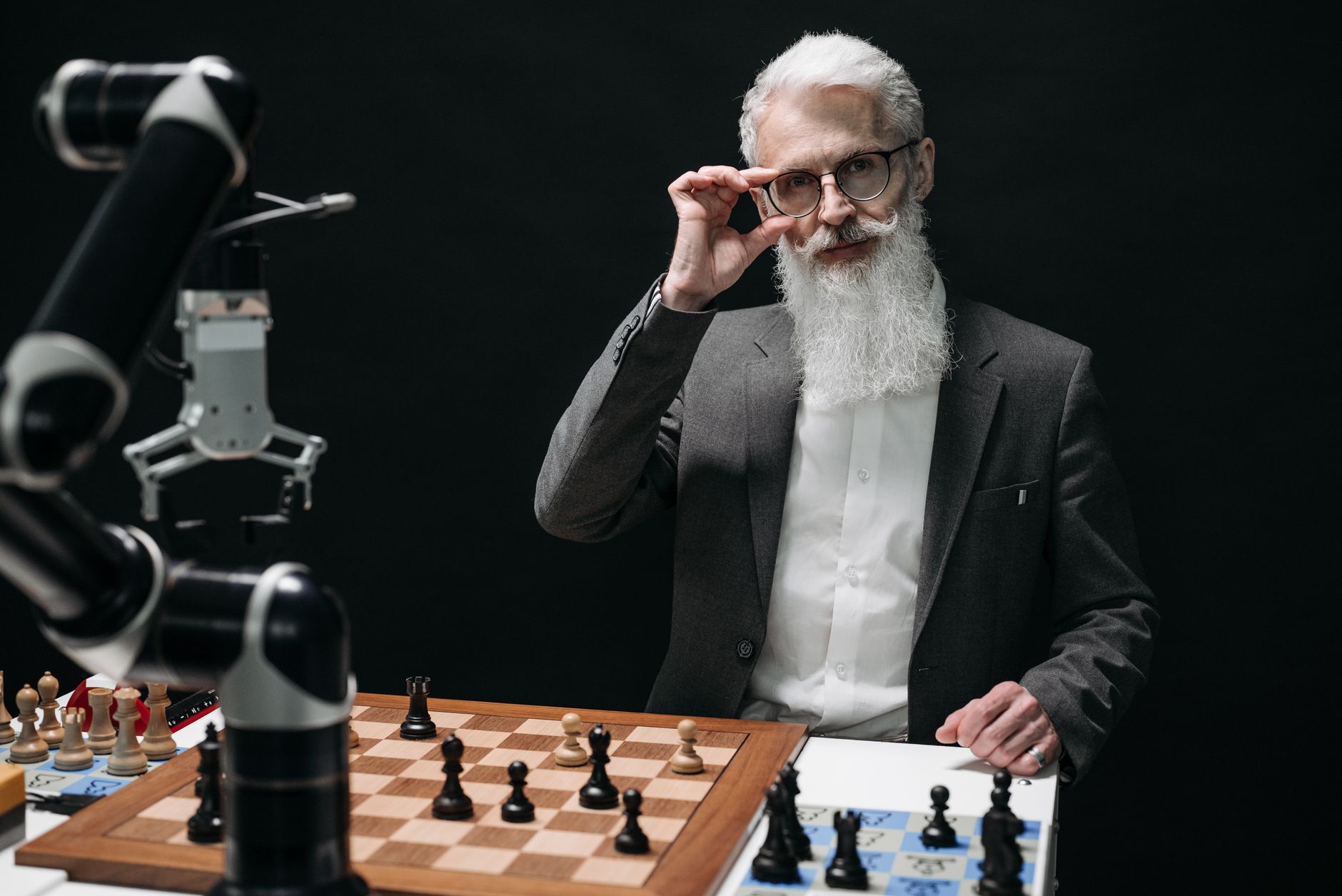
The recent discourse surrounding artificial intelligence (AI) often hinges on the comparison between human cognition and machine capabilities. As AI systems continue to evolve, the notion that our brains operate like machines has gained traction, leading to a skewed perception of human intelligence as suboptimal. This article aims to dissect the implications of this comparison, arguing that such an analogy not only undermines the multifaceted nature of human thought but also poses significant risks in terms of how we view ourselves in relation to technology.
Key Takeaways
- The human brain operates fundamentally differently from AI systems, emphasizing creativity, emotional intelligence, and contextual understanding.
- Comparing humans to machines can lead to diminished self-worth and a misunderstanding of our unique cognitive strengths.
- Understanding these differences is crucial for fostering a collaborative relationship between humans and AI technologies.
- The ongoing dialogue about human versus machine intelligence shapes societal attitudes toward technology and its role in our lives.
- Future developments in AI must account for the nuances of human cognition to enhance, rather than replace, human capabilities.
Understanding the Comparison
The analogy of the brain as a machine has permeated popular discourse, fostering the belief that human cognition can be quantified, optimized, and improved upon in the same way that machines are enhanced through algorithms. This perspective is not merely academic; it has real-world implications that shape our interactions with technology. For instance, the rise of AI in various sectors has led to a perception that human roles are increasingly redundant, as machines can often perform tasks more efficiently.
This comparison risks reducing human intelligence to mere computational prowess, neglecting aspects such as creativity, empathy, and moral reasoning that are intrinsic to the human experience. The danger lies in the oversimplification of what it means to think, learn, and create. By viewing ourselves as inferior to AI, we inadvertently reinforce a narrative that diminishes our unique qualities.
Why This Matters
The implications of this comparison extend beyond personal identity; they influence broader societal trends. For example, businesses may prioritize automation and AI solutions under the assumption that these technologies are superior to human capabilities. This could lead to job losses and a workforce that feels undervalued and insecure in their abilities. Furthermore, it fosters a culture of competition between humans and machines, rather than collaboration.
Moreover, the psychological impacts on individuals who internalize this belief can be profound. The narrative that humans are 'sub-optimal' compared to AI can lead to feelings of inadequacy and anxiety, particularly among younger generations who are growing up in an increasingly digitized world. To combat this trend, it is essential to cultivate an understanding of what makes human intelligence distinct and irreplaceable.
Background and Context
The notion of the brain as a machine has roots in early computational theories of mind, drawing on ideas from philosophers and computer scientists alike. Pioneers like Alan Turing posited that human thought could be replicated by machines through algorithms and processing power. However, as AI technology has advanced, so too has our understanding of cognition. Modern neuroscientific research suggests that the brain operates through complex networks of neurons, influenced by experience, emotion, and environmental context.
Historically, the rise of AI has been accompanied by both enthusiasm and skepticism. Early predictions of a future dominated by intelligent machines have often fallen short, as the subtleties of human cognition remain elusive to AI systems. While AI excels at processing vast amounts of data and optimizing specific tasks, it lacks the nuanced understanding and adaptability that characterize human thought.
Expert Analysis
As we navigate the ongoing evolution of AI, it is crucial to recognize the limitations of machine intelligence in comparison to human cognition. For instance, while AI can analyze medical data to predict patient outcomes with remarkable accuracy, it cannot replicate the ethical considerations and emotional nuances that a human doctor brings to patient care. Similarly, AI-generated art may capture aesthetic qualities, yet it often lacks the depth of human experience and storytelling that resonates with audiences.
This distinction is particularly relevant in fields such as education, where understanding context and emotional engagement plays a critical role in effective teaching and learning. AI can provide personalized learning experiences, but it cannot replace the mentorship and inspiration provided by a human educator. Such insights highlight the necessity of viewing AI as a tool that complements human capabilities rather than a replacement.
Furthermore, the current AI landscape is dominated by narrow AI systems designed for specific tasks, while general AI—capable of understanding and reasoning across a broad range of topics—remains a distant goal. This distinction underscores the fact that, despite impressive advancements, AI is still far from achieving the holistic understanding that characterizes human thought.
What This Means for Users and Developers
The implications for developers and users of AI technology are significant. For developers, there lies a responsibility to design AI systems that acknowledge and enhance human capabilities rather than diminish them. This means creating AI that can work collaboratively with humans, augmenting our strengths while compensating for weaknesses.
For users, particularly in workplaces increasingly influenced by AI, it is vital to embrace the unique cognitive strengths that humans possess. This may involve retraining and upskilling to work alongside AI systems effectively. Understanding that human intelligence encompasses creativity, emotional intelligence, and ethical reasoning can empower individuals to leverage these attributes in ways that machines cannot.
Furthermore, fostering a culture of collaboration between humans and machines can lead to innovative solutions that harness the best of both worlds. Encouraging interdisciplinary approaches that combine technology, psychology, and the arts can yield unique insights into how we can coexist and thrive alongside AI.
Frequently Asked Questions
What are the primary differences between human intelligence and AI?
Human intelligence is characterized by creativity, emotional understanding, and moral reasoning, while AI excels at data processing and specific task optimization but lacks the depth of human thought.
How can AI complement human capabilities?
AI can enhance human capabilities by handling repetitive tasks, providing data analysis, and personalizing experiences while allowing humans to focus on creative, ethical, and interpersonal aspects of work.
What are the psychological impacts of comparing humans to machines?
Such comparisons can lead to feelings of inadequacy and anxiety, particularly among younger generations, fostering a narrative that undermines the value of human intelligence.
What steps can developers take to ensure AI supports human strengths?
Developers should focus on creating AI systems that augment human abilities, promote collaboration, and address ethical considerations, ensuring that technology serves to enhance rather than replace human roles.
The Road Ahead
As we look to the future, it is crucial to shift the narrative surrounding human intelligence and AI. Recognizing the unique qualities that define human cognition will not only empower individuals but also foster a more balanced relationship with technology. The goal should be to create a synergistic environment where AI supports human efforts, enabling us to achieve greater heights in creativity, problem-solving, and innovation.
In the coming years, as AI technologies become increasingly integrated into various aspects of life, a conscious effort will be required to ensure that these technologies augment rather than diminish the human experience. By valuing what makes us uniquely human, we can embrace the opportunities that AI presents while safeguarding our cognitive and emotional well-being.