IBM Breakthrough: Pioneering Smaller Computer Chip Parts
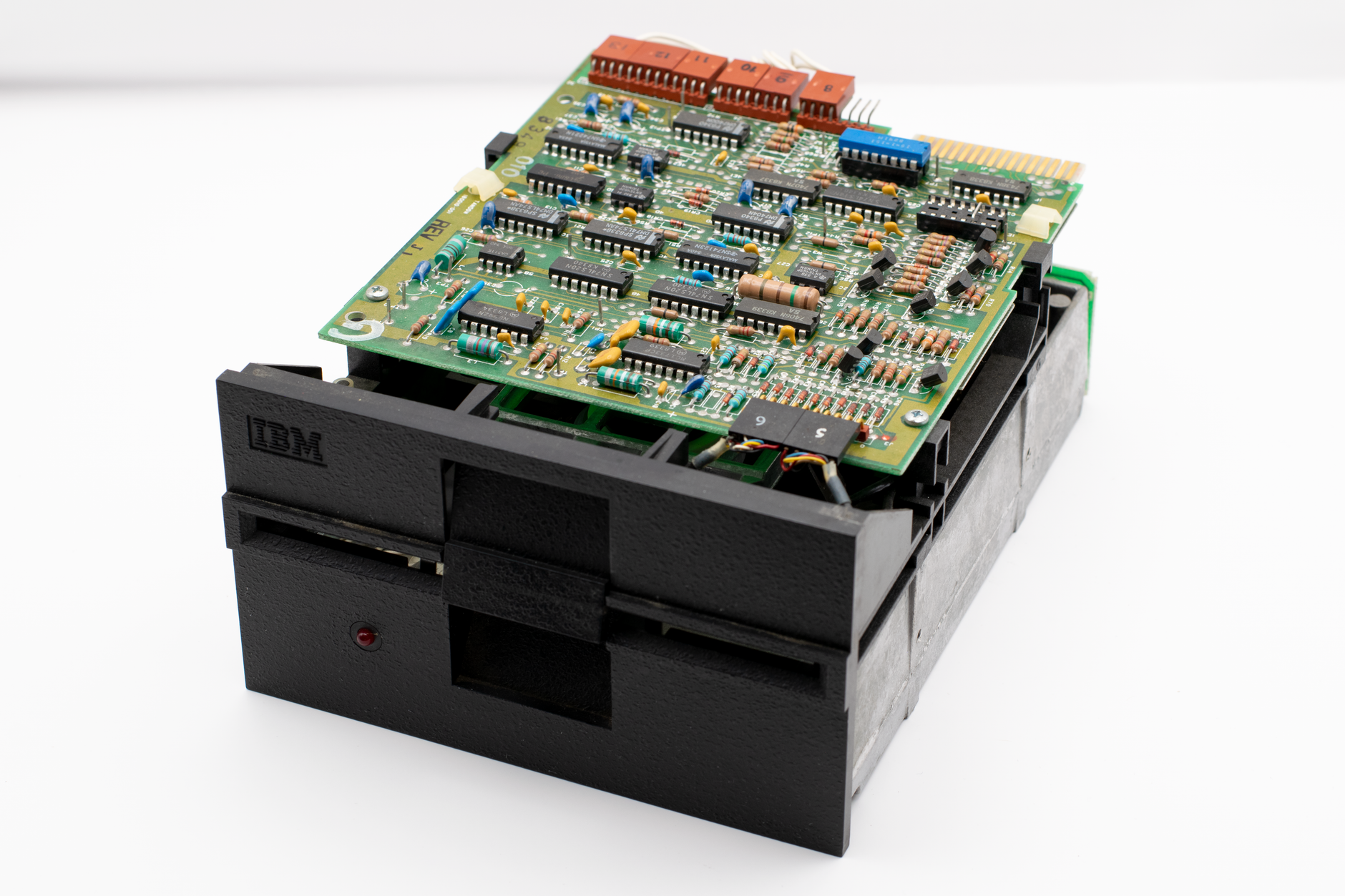
In a significant development poised to reshape the semiconductor landscape, IBM has unveiled a groundbreaking method for producing smaller computer chip parts. This innovation arrives at a time when industry leaders expressed concerns that further advancements in chip miniaturization were nearing their limits. By addressing these challenges, IBM not only redefines the expectations for computing technologies but also sets the stage for future breakthroughs that could influence a myriad of industries reliant on semiconductors.
Key Takeaways
- IBM's new method for chip miniaturization could revolutionize computing.
- The technology addresses concerns about the physical limits of chip size reductions.
- Smaller chips may lead to enhanced performance in various devices, from smartphones to supercomputers.
- The breakthrough highlights IBM's commitment to innovation in semiconductor technology.
- Broader implications for industries heavily reliant on advanced computing.
What Happened
IBM's recent announcement marks a pivotal moment in the semiconductor industry, as the company has developed a novel approach to creating smaller chip components. Traditionally, the semiconductor industry has operated under Moore's Law, which posits that the number of transistors on a chip doubles approximately every two years, leading to greater performance and efficiency. However, as the physical size of transistors has approached atomic levels, many industry experts feared that this trend might soon reach a standstill.
By leveraging advanced materials and innovative production techniques, IBM's new method allows for the creation of chips that are not only smaller but also more powerful than their predecessors. This breakthrough comes at a crucial time, as demand for faster and more efficient computing devices continues to soar across various sectors, including artificial intelligence, cloud computing, and the Internet of Things (IoT).
Why This Matters
The implications of IBM's innovation extend far beyond the realm of semiconductor manufacturing. As chips become smaller, the potential for increased performance and functionality in electronic devices grows exponentially. This is particularly relevant in today’s technology landscape, where devices are increasingly interconnected and reliant on advanced computing capabilities.
Moreover, the ability to produce smaller chips could lead to significant cost reductions in manufacturing, as more powerful chips can be packed into smaller spaces, reducing materials and energy consumption. This shift could have cascading effects across various industries, prompting a reevaluation of product designs and operational efficiencies.
Background and Context
The semiconductor industry has long been characterized by rapid technological advancements and relentless competition. Historically, chip miniaturization has been driven by the need for more powerful, energy-efficient devices. As consumer demand for high-speed internet, mobile technology, and cloud computing skyrocketed, manufacturers faced increasing pressure to innovate.
Despite the relentless pursuit of miniaturization, recent years have seen a noticeable slowdown in the pace of advancements. The physical limitations of silicon-based technologies began to constrain further reductions in chip size. This stagnation raised alarms within the industry, as many feared that the innovation cycle could plateau, hampering technological progress across the board.
Expert Analysis
IBM's new method represents a significant departure from traditional approaches to chip design and manufacturing. By integrating novel materials and techniques, the company has potentially unlocked a new pathway for chip miniaturization. This innovation may not only extend the life of Moore's Law but also redefine the engineering principles that underpin semiconductor production.
One key aspect of IBM's approach is its focus on materials science. The use of advanced materials could lead to the development of transistors that not only occupy less space but also offer superior performance characteristics. For instance, new materials may enhance electrical conductivity and reduce heat generation, enabling chips to function more efficiently and reliably.
Furthermore, IBM's methodology could pave the way for the adoption of multi-functional chips that support a wider range of applications within a single component. This versatility could lead to more integrated and streamlined devices, reducing the need for multiple chips and thereby simplifying device architecture.
What This Means for Industries and Users
The implications of IBM's breakthrough are vast, impacting various sectors, from consumer electronics to advanced computing. For manufacturers, the ability to produce smaller, more powerful chips could enable the development of devices that are not only faster but also more energy-efficient. This is particularly critical in an era where sustainability is paramount, as consumers increasingly demand environmentally friendly products.
For end-users, smaller chips could translate to tangible benefits in terms of performance. Devices equipped with these advanced chips may offer faster processing speeds, enhanced battery life, and improved functionalities. This could lead to a richer user experience, especially in applications such as gaming, augmented reality, and artificial intelligence.
Frequently Asked Questions
What makes IBM's new chip miniaturization method different?
IBM's new method incorporates advanced materials and innovative production techniques that allow for the creation of smaller and more powerful chip components, potentially extending the limits of previous technologies.
How does this breakthrough impact consumer electronics?
The new chip designs are expected to enhance the performance and energy efficiency of consumer electronics, leading to faster devices with longer battery life and more capabilities.
What are the broader implications for the semiconductor industry?
This development could revitalize discussions around Moore's Law and stimulate further innovation in semiconductor manufacturing, helping to address the stagnation that has affected the industry in recent years.
Will this technology affect the cost of devices?
While initial development may require significant investment, the potential for cost reductions in manufacturing smaller, more efficient chips could lead to lower retail prices for consumer electronics in the long run.
The Road Ahead
Looking forward, the potential ramifications of IBM's innovation could be profound. As industries continue to evolve and adapt to a fast-paced technological landscape, the demand for advanced computing capabilities will only grow. IBM's breakthrough in miniaturization could catalyze further research and development within the semiconductor space, prompting other companies to explore similar avenues.
The next few years could see a surge in new products and applications as manufacturers leverage IBM's advancements to enhance their offerings. As we witness the convergence of artificial intelligence, IoT, and other emerging technologies, the ability to produce smaller and more efficient chips will likely play a pivotal role in shaping the future of tech.