Micron's Earnings Highlight Market Volatility Amid AI Hype
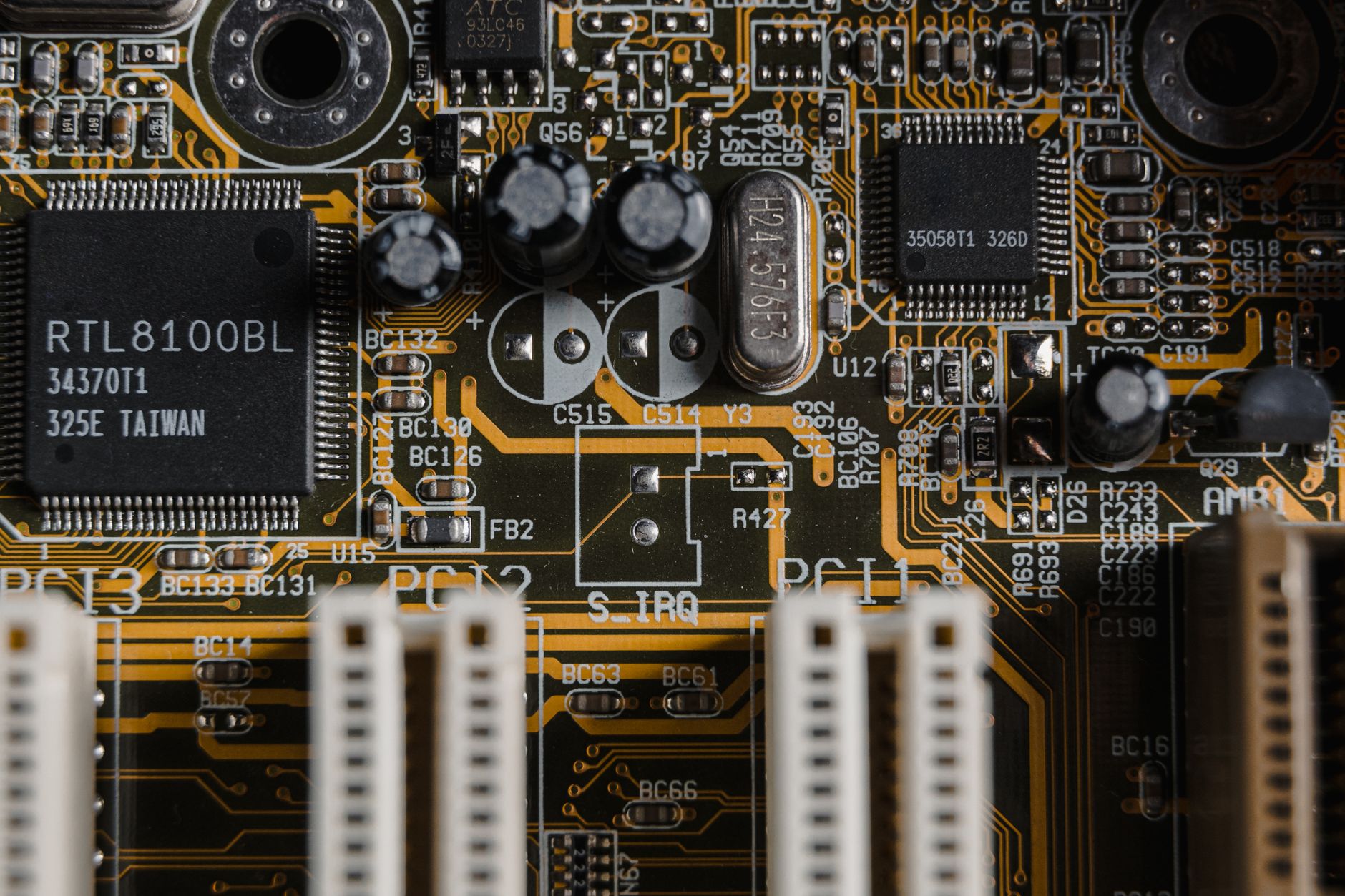
The semiconductor industry is at a critical juncture. With Micron’s earnings report eliciting mixed reactions from investors and analysts, the once-bullish sentiment surrounding AI-driven stocks is starting to show signs of strain. The recent turmoil in the stock market has prompted discussions about the sustainability of the AI rally, leaving many to wonder if the chip sector can maintain its momentum amidst rising uncertainties.
Key Takeaways
- Micron's earnings report arrives at a time when investor confidence in AI-driven growth is wavering.
- The semiconductor sector experienced a dramatic downturn, termed a "chip-wreck" by analysts.
- High-profile tech stocks that previously soared are now facing skepticism regarding their valuations.
- Market experts, including Daniel Ives from Wedbush Securities, highlight the broader implications of Micron's performance.
- The AI boom may be undergoing a reality check, leading to recalibrations in stock prices across tech.
Recent Developments in the Semiconductor Sector
On Tuesday, markets were jolted as a wave of skepticism swept through the semiconductor sector, leading to what Wall Street strategists labeled a “chip-wreck.” This phrase encapsulates the sharp decline in stock prices among semiconductor companies, many of which had previously enjoyed significant gains fueled by AI-related optimism. Micron Technology, one of the key players in the industry, found itself in the spotlight as its earnings report was released against this tumultuous backdrop.
Micron's earnings have always been closely watched, given the company's central role in the semiconductor supply chain and its influence on the broader tech market. Investors anticipated strong growth driven by AI demand, with many betting on continued adoption of AI technologies across various sectors. However, doubts about the sustainability of these growth figures began to surface, especially in light of the recent market turbulence.
Daniel Ives, the Global Head of Technology at Wedbush Securities, weighed in on the situation, suggesting that investors are increasingly jittery about high-flying tech stocks. The semiconductor sector, which has seen tremendous growth, now faces the challenge of justifying its elevated valuations. Micron’s performance, therefore, is not just a reflection of its own business health but also a barometer for the overall market sentiment regarding AI and tech stocks.
Why This Matters
The implications of Micron's earnings report extend beyond the company itself. As one of the leading manufacturers of memory chips, Micron plays a pivotal role in the tech ecosystem. A downturn in its performance can signal broader challenges for the semiconductor industry, which has been a backbone for technological advancements, particularly in AI. Investors are beginning to question whether the robust demand for chips is truly reflective of sustainable growth or merely a short-term spike driven by hype.
The sudden shift in market sentiment raises critical questions about the future of AI investments. Companies like Micron, which have been buoyed by expectations surrounding AI, now face the reality of market corrections. If the demand for AI-related technologies does not materialize as expected, the repercussions could be severe, leading to a reevaluation of stock prices across the tech sector. This could ultimately impact not just investors, but also the broader economy as companies adjust their strategies in response to changing market conditions.
Background and Context
The semiconductor industry has experienced a rollercoaster ride in recent years. Following a period of supply chain disruptions caused by the COVID-19 pandemic, the demand for semiconductors surged, particularly in sectors such as consumer electronics, automotive, and, most notably, artificial intelligence. Companies like Micron capitalized on this trend, reporting substantial revenue increases and attracting significant investor interest.
As AI technologies gained traction, stocks within the semiconductor sector soared, leading to unprecedented valuations. Micron, along with competitors like NVIDIA and AMD, became synonymous with the AI boom, fostering a narrative that the demand for chips would continue to grow exponentially. However, this narrative is now being challenged as analysts and investors reassess the sustainability of this growth, especially in light of Micron's recent performance.
Expert Analysis
Taking a deeper dive into Micron's earnings, it becomes evident that while the company may still be profitable, the growth trajectory has shifted. Micron's latest earnings report showed fluctuations in demand for DRAM and NAND chips, which are critical for AI applications. This shift in demand raises concerns about whether the company can maintain its previous levels of profitability as investments in AI start to plateau.
Furthermore, the semiconductor landscape is becoming increasingly competitive. With new entrants and established players ramping up production capabilities, the pressure on prices and margins is likely to intensify. Micron's ability to innovate and differentiate its products will be crucial in maintaining market share. Investors will be closely watching how the company navigates this competitive terrain in order to gauge its long-term viability.
Moreover, the geopolitical landscape complicates matters further. Trade tensions, especially between the U.S. and China, have profound implications for the semiconductor industry. Companies like Micron must navigate regulatory hurdles while also responding to global supply chain disruptions. The interplay of these factors adds another layer of complexity to an already volatile market, making it imperative for investors to remain vigilant.
What This Means for Investors
For investors, the recent developments in Micron and the semiconductor sector serve as a reminder of the inherent risks associated with high-growth tech stocks. The excitement surrounding AI has led many to overlook fundamental valuations, which could have dire consequences as the market recalibrates. It is crucial for investors to adopt a more cautious approach and critically assess the sustainability of growth narratives before committing capital.
Additionally, this situation presents opportunities for selective investment. While Micron may be facing challenges, it is worth noting that the company has a strong portfolio of products and a history of innovation. Investors may find value in companies that can demonstrate resilience and adaptability in the face of market pressures. The key will be to identify those companies that can leverage their technological advantages to thrive in a changing landscape.
Frequently Asked Questions
What caused the recent stock market slide in the semiconductor sector?
The stock market slide was triggered by growing doubts about the sustainability of the AI-driven rally in tech stocks, leading to a decline in investor confidence in semiconductor companies like Micron.
How does Micron's performance affect the broader tech market?
Micron's performance is seen as a bellwether for the semiconductor industry, and its struggles could signal challenges for other tech companies reliant on chip demand, potentially leading to broader market corrections.
What should investors look for in semiconductor stocks moving forward?
Investors should focus on companies that demonstrate strong fundamentals, resilience in innovation, and adaptability to market changes, especially as the AI hype begins to stabilize.
Could geopolitical tensions impact the semiconductor industry?
Absolutely. Trade tensions, particularly between major economies like the U.S. and China, could disrupt supply chains and impact the market dynamics for semiconductor companies, including pricing and access to markets.
The Road Ahead
Looking ahead, the semiconductor industry is likely to face a period of adjustment as it grapples with the reality of shifting demand. While AI technologies remain promising, the market may be entering a phase where growth expectations are tempered by economic realities. Companies like Micron will need to navigate these challenges carefully, balancing innovation with prudent financial management.
As we move forward, investors will need to remain vigilant, monitoring not just the performance of individual companies but also the broader economic indicators that could influence the tech landscape. The AI narrative is far from over, but it is clear that a more nuanced understanding of the market dynamics is essential for making informed investment decisions.