Why Wall Street Believes Micron Could Be the Next Nvidia
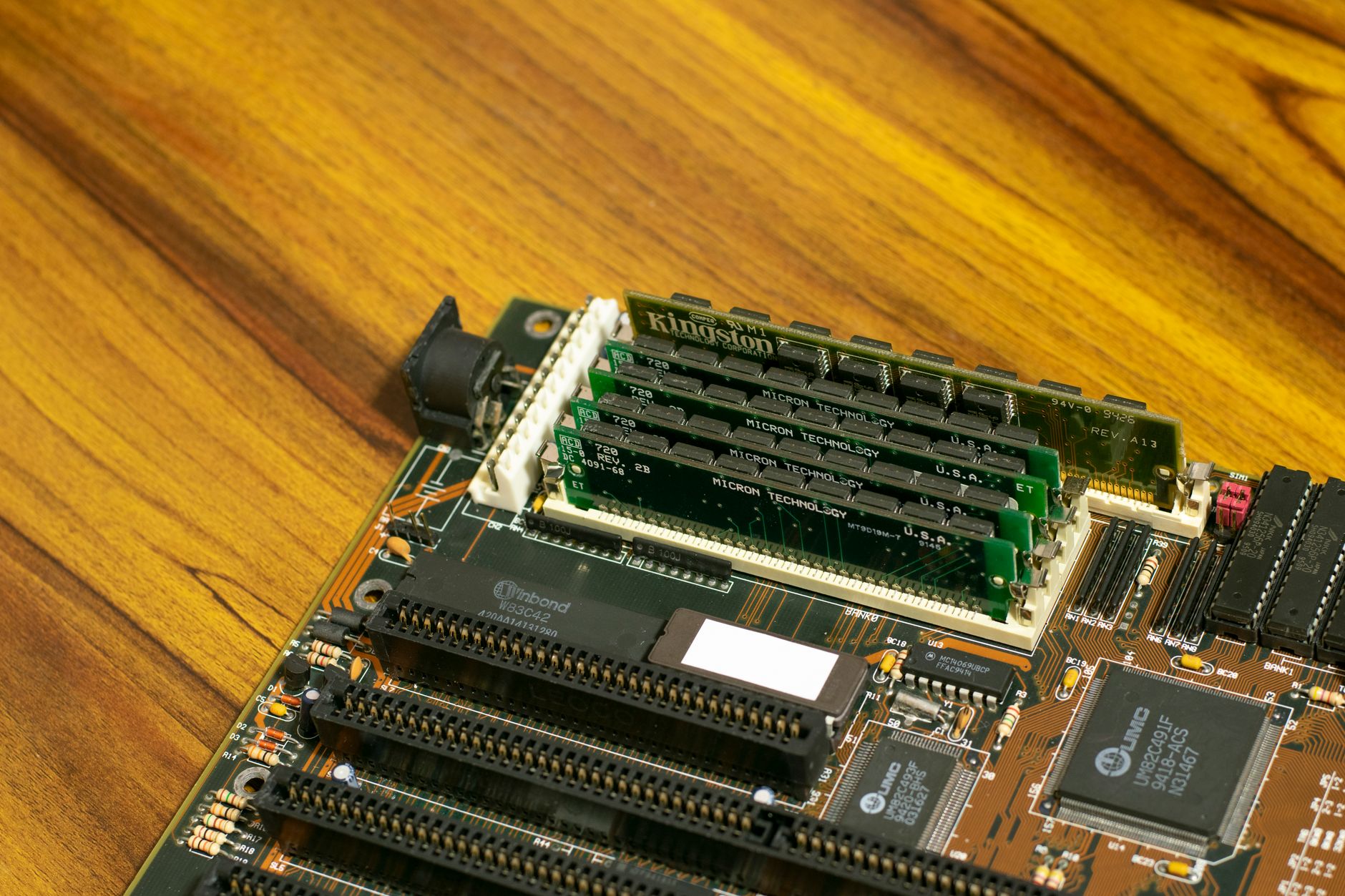
As investors search for the next big player in the AI revolution, Micron Technology, a leading memory chip manufacturer, is drawing significant attention. Wall Street’s excitement about Micron isn’t just speculation; it’s rooted in a solid understanding of market dynamics and the critical role memory plays in AI applications. Could Micron indeed follow in the footsteps of Nvidia, the reigning champion of AI hardware?
Key Takeaways
- Micron Technology is gaining traction among investors as a key player in the AI hardware market.
- The company's memory chips are essential for AI systems, supporting the growing demand for data processing.
- Wall Street is optimistic about Micron's potential growth, drawing comparisons to Nvidia's explosive rise.
- Market analysts highlight the expected increase in AI-related data and applications as a significant driver for Micron's business.
- Micron's advancements in memory technology could position it favorably against competitors in the AI space.
Understanding the Current Landscape
The surge in artificial intelligence applications is reshaping the tech landscape, sparking intense competition among hardware manufacturers. Nvidia, with its powerful GPUs, has emerged as a leader, largely due to the growing demand for AI processing capabilities. As AI models become increasingly complex, the need for efficient and high-capacity memory storage is paramount. This is where Micron comes into play.
Micron, known for its DRAM and NAND flash memory technologies, is diversifying its offerings to meet the evolving needs of AI. Investors are taking note of Micron's strategic initiatives to innovate and improve its memory solutions, aligning closely with the surging demand for AI-driven data processing. In recent months, various Wall Street analysts have begun to predict that Micron could achieve growth trajectories similar to those seen by Nvidia.
Why This Matters
The implications of Micron's potential rise are significant, not just for the company itself but also for the broader technology sector. As AI applications continue to proliferate—from autonomous vehicles to complex data analytics—the demand for high-performance memory solutions is expected to skyrocket. Micron's ability to capture a share of this burgeoning market could alter its competitive landscape.
Furthermore, a successful trajectory for Micron would underscore the importance of memory technology in AI development, potentially shifting investor focus toward companies that specialize in this domain. This change could lead to increased capital flow into memory technology firms, fostering innovation and competition at all levels.
Background and Context
Micron Technology, founded in 1978, has long been a player in the semiconductor industry, focusing primarily on memory products essential for computing and storage solutions. Over the years, the company has faced various market challenges, including cyclical downturns and intense competition from global rivals. Despite these hurdles, Micron has consistently evolved, adapting its technologies to meet changing market needs.
The technological advancements in AI have transformed the computing landscape, emphasizing the importance of both processing power and memory. Nvidia has capitalized on this shift with its GPUs, designed for high-throughput computing essential for AI workloads. Micron's entry into this space represents a critical intersection of memory technology and AI, positioning it as a potential leader in the sector.
Expert Analysis
The enthusiasm surrounding Micron's potential can be attributed to several factors, including the company’s advancements in memory technology, strategic partnerships, and the increasing reliance on AI across various sectors. Memory is often viewed as the unsung hero of computing, yet it plays a pivotal role in enabling high-speed data processing and efficient operation of AI algorithms.
One of the key drivers behind Wall Street's confidence in Micron is the company's commitment to innovation in memory technology. Micron has been investing heavily in developing next-generation memory solutions, such as DDR5 and 3D NAND. These technologies offer increased speed and capacity, which are essential for processing the vast amounts of data generated by AI applications. Analysts believe that as AI continues to grow, the demand for these advanced memory solutions will follow suit.
Moreover, Micron's strategic partnerships with major tech firms bolster its position in the AI landscape. Collaborations with companies like Google and Amazon have positioned Micron as a key supplier for AI infrastructure, creating a robust ecosystem that supports its memory products. This alignment with industry giants not only enhances Micron's credibility but also ensures a steady demand for its technologies.
What This Means for the AI Industry
For the AI industry, Micron’s potential ascent holds several implications. First, it signals a growing recognition of the importance of memory solutions in AI development. As data-heavy applications become the norm, the need for high-performance memory will become increasingly critical.
Second, Micron's focus on innovation could inspire other memory manufacturers to increase their R&D investments, leading to a competitive landscape that fosters technological advancements. This could result in more efficient and capable memory solutions, ultimately benefiting AI developers and users alike.
Finally, if Micron achieves success similar to Nvidia, it could attract more investment into the memory sector, encouraging the development of startups and emerging companies focused on memory technologies tailored for AI applications. This influx of capital could lead to breakthroughs that propel the industry forward.
Frequently Asked Questions
What is Micron Technology known for?
Micron Technology is primarily known for its memory and storage solutions, including DRAM and NAND flash memory, which are essential components in computing systems.
How does Micron relate to AI technology?
Micron's memory products are crucial for AI systems, enabling efficient data processing for complex algorithms and large datasets used in AI applications.
Why is Wall Street comparing Micron to Nvidia?
Wall Street sees parallels in their market potential, as both companies are positioned to benefit from the increasing demand for AI technology and related hardware.
What advancements is Micron making in memory technology?
Micron is advancing its memory technology through innovations like DDR5 and 3D NAND, which provide higher speed and capacity, essential for AI workloads.
The Road Ahead
Looking ahead, Micron's trajectory will largely depend on its ability to navigate the rapidly evolving AI landscape. As the industry continues to expand, the pressure will be on Micron to deliver innovative memory solutions that meet the needs of AI developers. This will require ongoing investment in R&D and a commitment to staying ahead of technological trends.
If Micron can successfully capitalize on its strengths and the growing demand for AI-related memory solutions, it may very well establish itself as a formidable player in the AI market, akin to what Nvidia has achieved with GPUs. For investors, this presents an exciting opportunity, but it also comes with inherent risks, including market fluctuations and technological advancements from competitors.