ON Semiconductor Faces Market Turmoil Amid CEO's Defense of Synaptics Deal
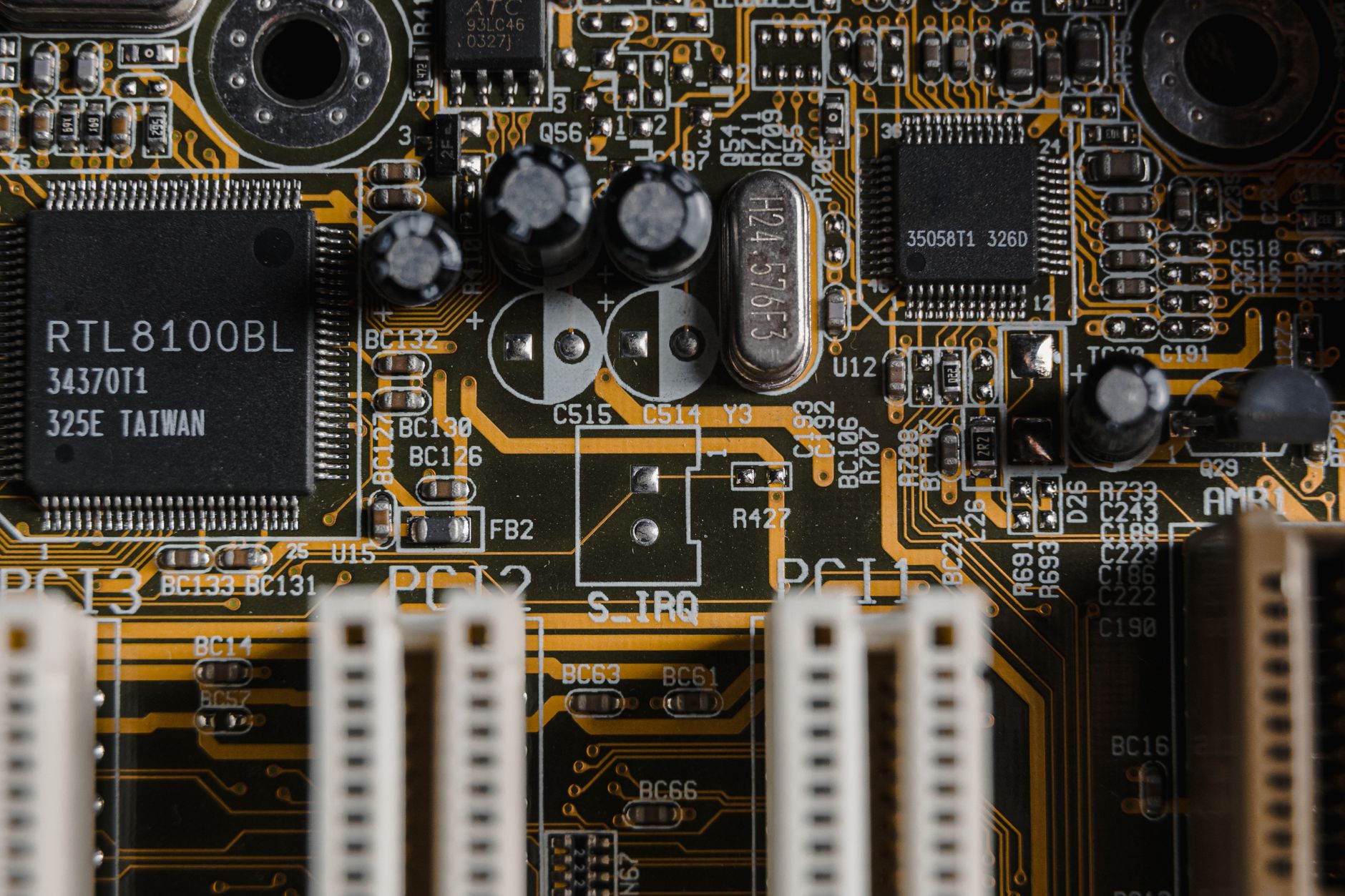
ON Semiconductor's stock hit a significant downturn, marking its worst performance since 2020. This dramatic shift came in the wake of CEO Hassane El-Khoury's defense of the company's acquisition of Synaptics, a deal that aims to broaden its reach into the rapidly evolving field of physical artificial intelligence (AI). With the announcement that this pivot could potentially add $30 billion to ON Semiconductor's addressable market, investors are left grappling with the implications of this strategy amidst the tumult of the stock market.
Key Takeaways
- ON Semiconductor faced its worst stock performance since 2020 as CEO defended a strategic acquisition.
- The acquisition of Synaptics aims to position ON Semiconductor within the burgeoning physical AI market.
- Company claims that this pivot could expand its market by an additional $30 billion.
- Investor reactions highlight skepticism regarding long-term profitability amid rapid technological changes.
- The deal reflects broader trends in the semiconductor industry as companies seek new growth avenues.
Understanding the Current Situation
ON Semiconductor, known for its advanced semiconductor solutions, recently announced its acquisition of Synaptics, a company specializing in human interface solutions and AI technologies. This move was designed to enhance ON Semiconductor's capabilities in physical AI, which integrates AI processes directly into hardware, thereby allowing for more efficient computing at the edge. However, the market reacted unfavorably, leading to a significant decline in stock prices, raising concerns about the company's future profitability and strategic direction.
During a recent earnings call, CEO Hassane El-Khoury attempted to address these concerns by outlining the strategic rationale behind the Synaptics acquisition. He emphasized the potential for growth in the physical AI sector, claiming that it could add $30 billion to the company's addressable market. Despite these optimistic projections, investors remained skeptical, reflecting a general unease within the tech community regarding the volatility and uncertainties associated with semiconductor investments.
Why This Matters
The stakes for ON Semiconductor are high, with potential implications not just for the company but for the broader semiconductor industry. As companies like ON Semiconductor pivot towards emerging technologies such as physical AI, they are signaling a shift in focus that could redefine competitive dynamics within the industry. This strategic move could set the stage for a new era in semiconductor applications, particularly as industries increasingly integrate AI into their operations.
Investors’ reactions to the Synaptics deal reveal underlying tensions in the market. While the potential for a $30 billion expansion is enticing, the road to realizing that potential is fraught with challenges. The semiconductor industry is characterized by rapid technological advancement, fierce competition, and shifting consumer demands. As such, ON Semiconductor’s ability to execute its vision will be scrutinized in the coming quarters, making this a critical juncture for the company.
Background and Context
The semiconductor industry has undergone significant transformations over the past few years, propelled by advancements in AI, IoT (Internet of Things), and edge computing. Historically, ON Semiconductor has been a key player in providing innovative semiconductor solutions, primarily focused on automotive, industrial, and consumer electronics applications. The company has built a reputation for quality and reliability, which has served it well in a highly competitive landscape.
However, as the demand for AI-driven technologies continues to rise, semiconductor manufacturers are increasingly compelled to adapt their strategies to capture new market opportunities. The acquisition of Synaptics represents ON Semiconductor's response to this trend. By integrating Synaptics' expertise in AI and human interface solutions, ON Semiconductor aims to enhance its product portfolio and market positioning, hoping to capitalize on the anticipated growth of physical AI.
Expert Analysis
The Synaptics acquisition raises essential questions about ON Semiconductor’s long-term strategy and the viability of its expansion into physical AI. At its core, this deal reflects a broader trend in the semiconductor industry where companies are diversifying their portfolios to mitigate risks associated with market fluctuations. By pivoting towards physical AI, ON Semiconductor is not merely following a trend but is attempting to redefine its identity in an increasingly competitive marketplace.
Analysts suggest that the potential $30 billion market expansion, while significant, may take years to materialize. The challenges of integrating Synaptics into ON Semiconductor's existing operations, coupled with the inherent risks of entering a new market segment, cannot be understated. Additionally, the competitive landscape is evolving rapidly, with numerous players vying for dominance in the AI space. This competition could delay the realization of the expected benefits from the Synaptics acquisition.
Furthermore, investor skepticism is often rooted in a desire for short-term profitability, which contrasts with the long-term vision laid out by El-Khoury. The challenge for ON Semiconductor will be to demonstrate that its strategic decisions can yield tangible results, balancing immediate financial performance with the potential for future growth.
What This Means for the Semiconductor Industry
The implications of ON Semiconductor's strategic pivot extend beyond its own operations and reflect broader trends in the semiconductor industry. As companies increasingly focus on AI and machine learning, the demand for semiconductors that facilitate these technologies is set to rise. This shift could lead to a reevaluation of investment strategies across the sector, prompting other companies to consider similar moves into AI and adjacent markets.
Furthermore, the volatility displayed by ON Semiconductor’s stock following the acquisition announcement signals a cautionary tale for investors. The semiconductor industry is known for its cyclicality, and as companies navigate the complexities of integrating new technologies, market reactions can be swift and unforgiving. Investors may need to adopt a more nuanced understanding of the sector, recognizing that innovation comes with risks that can impact short-term stock performance.
Frequently Asked Questions
What is the significance of ON Semiconductor's acquisition of Synaptics?
The acquisition aims to enhance ON Semiconductor's capabilities in physical AI, potentially expanding its market by $30 billion and positioning it for future growth in AI-driven applications.
Why did ON Semiconductor's stock decline after the announcement?
The market reacted negatively due to investor skepticism regarding the viability of the acquisition and concerns about long-term profitability in a rapidly evolving industry.
How does physical AI differ from traditional AI approaches?
Physical AI integrates AI capabilities directly into hardware, allowing for more efficient processing at the edge, as opposed to relying solely on cloud-based solutions.
What challenges does ON Semiconductor face with this acquisition?
Challenges include the successful integration of Synaptics, navigating a competitive landscape, and meeting investor expectations for short-term profitability while pursuing long-term growth.
The Road Ahead
Looking forward, ON Semiconductor's ability to successfully execute its strategy will be critical. The company must demonstrate its commitment to innovation and the effective integration of Synaptics to reassure investors and stakeholders. As the semiconductor industry evolves, ON Semiconductor has the opportunity to establish itself as a leader in physical AI, provided it can navigate the hurdles that lie ahead.
Moreover, the broader implications of this acquisition could serve as a bellwether for other companies within the sector. As ON Semiconductor embarks on this new journey, its performance may influence strategic decisions made by peers, shaping the future landscape of the semiconductor industry. The coming quarters will be pivotal in determining whether this bold move pays off or leaves the company grappling with the repercussions of a miscalculation.