Reprogramming Aging: The Future of Biotech Interventions
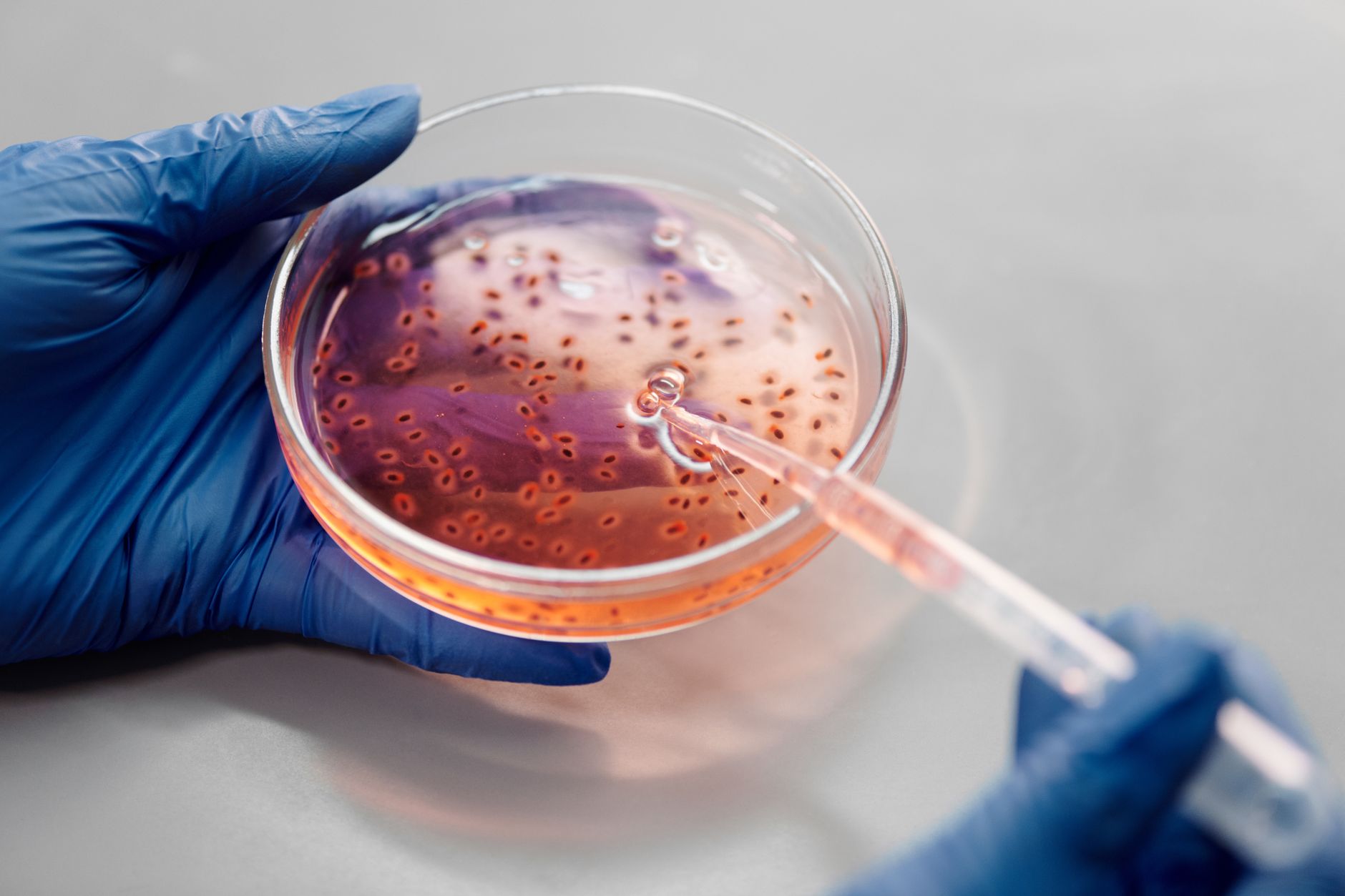
As the quest for longevity accelerates, the concept of "reprogramming" aging is emerging as a buzzy and potentially transformative approach. This week, Life Biosciences made headlines by dosing its first human subject with a treatment aimed at reversing age-related diseases. The excitement around this breakthrough highlights not only the advances in biotechnology but also the profound implications for how we understand aging itself.
Key Takeaways
- Life Biosciences has initiated human trials aimed at reversing age-related diseases through reprogramming techniques.
- This approach leverages advances in biotechnology, focused on cellular rejuvenation and genetic manipulation.
- Reprogramming could redefine our understanding of aging, potentially paving the way for longer, healthier lives.
- The concept of interoception plays a critical role in understanding bodily awareness and health regulation.
- Ethical considerations and societal implications of extended lifespan must be addressed as these technologies advance.
Understanding the News: Reprogramming Aging
The recent announcement from Life Biosciences marks a significant milestone in the biotechnology sector. The company is pioneering the use of cellular reprogramming techniques to address the biological processes underlying aging. By targeting age-related diseases, their goal is not merely to extend life but to enhance the quality of life in older individuals.
Reprogramming aging involves manipulating the state of cells to revert them to a more youthful condition, effectively rejuvenating the tissues and organs affected by aging. This innovative approach challenges the traditional view that aging is an irreversible process, opening new avenues for medical research and treatment.
As Life Biosciences begins its human trials, the implications of their work could resonate across various sectors, from healthcare to pharmaceuticals, raising questions about how society will adapt to potentially longer lifespans.
Why This Matters
The implications of reprogramming aging are profound. If successful, these techniques could lead to significant reductions in age-related health conditions, such as cardiovascular disease, diabetes, and neurodegenerative disorders. The economic burden of aging populations on healthcare systems could be alleviated, prompting a reevaluation of age-related policies and social support systems.
Moreover, the possibility of reprogramming opens up discussions about the ethical dimensions of longevity. As people live longer, questions arise regarding resource allocation, quality of life, and the societal impact of an aging population. Will longer lives result in healthier, more productive years, or will they exacerbate existing inequalities?
Background and Context
Aging has long been viewed as a biological inevitability, characterized by a gradual decline in physiological functions. Historically, various theories have attempted to explain the mechanisms of aging, including telomere shortening, mitochondrial dysfunction, and accumulated cellular damage. However, the field of regenerative medicine has introduced exciting possibilities for reversing these processes.
The advent of stem cell research and genetic engineering has transformed our understanding of cellular biology. Techniques such as CRISPR gene editing and induced pluripotent stem cells (iPSCs) have opened avenues for reprogramming, allowing scientists to manipulate cellular states with unprecedented precision. Life Biosciences is at the forefront of this movement, aiming to synthesize these advancements into viable treatments.
Expert Analysis
Reprogramming aging is not without its challenges. The complexity of the human genome and the intricate interactions between various biological systems present significant hurdles. While the initial results from animal studies have been promising, translating these findings into effective human treatments requires nuanced understanding and extensive research.
Moreover, the regulatory landscape for such innovative therapies is evolving. As biotechnology firms navigate approvals and clinical trials, the ethical implications of prolonging life must be carefully considered. Potential risks, including unforeseen side effects and long-term consequences, must be thoroughly evaluated before these treatments can become mainstream.
The intersection of biotechnology and ethics is critical. As we push the boundaries of what is possible, society must grapple with the moral ramifications of extending human life. Ensuring equitable access to these therapies may prove challenging, as disparities in healthcare access could widen, creating a divide between those who can afford such treatments and those who cannot.
What This Means for Healthcare and Society
The introduction of reprogramming techniques into healthcare could fundamentally reshape patient care. Rather than focusing on managing chronic conditions, the emphasis could shift toward prevention and rejuvenation. This proactive approach aligns with the growing trend of personalized medicine, where treatments are tailored to individual genetic profiles.
For developers, the rise of biotech interventions highlights the importance of innovative thinking in addressing aging. Companies must focus on not only the science but also how to communicate the benefits and risks of these therapies to the public. Transparency in clinical trials and patient outcomes will be critical to building trust and acceptance.
Furthermore, the implications extend beyond healthcare. As longevity becomes a reality, societal structures may need to adapt. Workforces could see shifts as older individuals remain active and productive for longer periods, influencing everything from retirement age policies to intergenerational dynamics in the workplace.
Frequently Asked Questions
What exactly is reprogramming in the context of aging?
Reprogramming involves altering the biological state of cells to revert them to a more youthful condition, potentially reversing the effects of aging on tissues and organs.
How does this technology work?
Technologies like CRISPR gene editing and induced pluripotent stem cells are used to manipulate cellular functions, enabling rejuvenation at a molecular level.
What are the potential risks of reprogramming treatments?
Potential risks include unforeseen side effects, the complexity of long-term biological interactions, and ethical concerns regarding access and equity.
How might society change if reprogramming becomes widely available?
Societal structures may need to adapt to longer lifespans, potentially affecting retirement policies, healthcare systems, and intergenerational relationships.
The Road Ahead
Looking forward, the pursuit of reprogramming techniques represents a frontier in biomedical research that could redefine human health. As Life Biosciences and other companies continue their trials, the coming years will likely bring significant advancements in our understanding of aging and its mechanisms.
The journey is not merely scientific; it encompasses ethical, social, and economic dimensions that warrant careful consideration. Stakeholders across various sectors, including policymakers, healthcare providers, and the public, must engage in dialogue to navigate the complexities of longevity and ensure that advancements benefit society as a whole.