The Rise of Custom AI Chips: Challenging Nvidia's Dominance
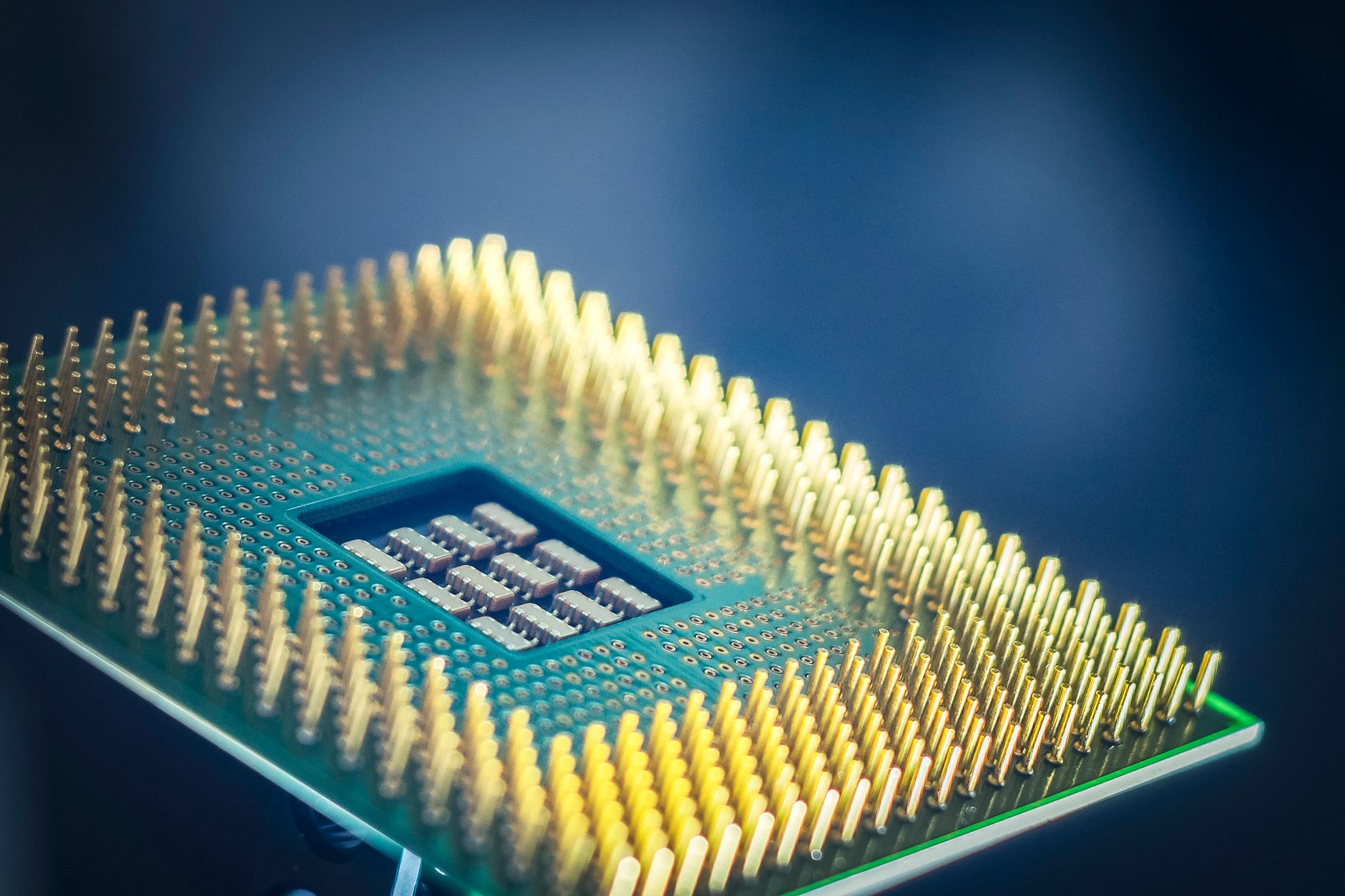
The artificial intelligence landscape is undergoing a seismic shift, one that threatens to disrupt the long-standing dominance of Nvidia in the AI chip market. With major players like OpenAI, SpaceX, and Google investing heavily in custom chips, the era of single-supplier dependence is waning. These companies are not merely reacting to market pressures but are strategically positioning themselves to innovate and control their technological destiny.
Key Takeaways
- Major companies are developing custom AI chips to reduce reliance on Nvidia.
- OpenAI's Jalapeño chip, designed with Broadcom, signifies a new era in AI hardware.
- Custom chips can optimize performance and functionality specific to unique AI tasks.
- Competition in the AI chip market could lead to more innovation and lower costs for developers.
- As companies diversify their chip sources, Nvidia may face increasing pressure to adapt.
The Move Towards Custom Chips
Nvidia has enjoyed a near monopoly in the AI chip sector, a position it has held for years thanks to its powerful GPUs that excel in machine learning tasks. However, the recent announcements from companies like OpenAI reveal a growing trend: the shift towards self-reliance in chip design and manufacturing. OpenAI's recent unveiling of its Jalapeño chip, developed in collaboration with Broadcom, is not just another hardware release; it's a strategic pivot to mitigate risks associated with dependence on Nvidia. This decision reflects a broader industry trend where tech giants are recognizing that customized hardware can yield better performance for specific applications.
This move is not isolated to OpenAI. SpaceX has also been quietly developing its own chips for various applications, aiming to optimize performance for its unique operational needs. Google and Apple have long ventured into this territory, creating chips tailored to their specific ecosystems. This wave of custom chip development is driven by the need for enhanced performance, efficiency, and reduced production costs, making it an attractive option for companies that operate at the intersection of AI and technology.
Why This Matters
The implications of this shift extend far beyond just competition among tech giants. As companies like OpenAI and SpaceX develop their custom chips, they are effectively reducing their vulnerability to supply chain disruptions and price fluctuations that can occur in a monopolized market. This diversification leads to a more resilient technological ecosystem, where innovation can flourish without the constraints imposed by a single supplier.
Moreover, the development of custom chips can lead to significant advancements in AI capabilities. Custom hardware allows for optimizations that general-purpose chips cannot achieve. For example, a chip designed specifically for neural network inference can execute tasks faster and with greater energy efficiency than a conventional GPU. This optimization could accelerate the deployment of AI applications across various sectors, from healthcare to autonomous vehicles.
Background and Context
The AI chip market has historically been dominated by a few key players, with Nvidia being the most prominent. Its GPUs have become the gold standard for AI training and inference tasks. However, the rapid growth of AI applications has led to an insatiable demand for computing power, prompting companies to seek alternatives. The rise of cloud computing and edge computing has further exacerbated this need, as organizations require scalable and efficient solutions that can handle increasingly complex tasks.
In response to these market demands, companies are investing heavily in research and development to create chips that are optimized for AI workloads. This includes dedicated hardware accelerators like Google's Tensor Processing Units (TPUs) and Apple's Neural Engine. These innovations reflect a broader trend toward specialization in hardware, where the traditional all-purpose processors are being overshadowed by chips designed for specific tasks.
Expert Analysis
The strategic pivot towards custom chip development is indicative of a significant paradigm shift within the tech industry. Historically, companies have relied on established players like Nvidia for their hardware needs. However, the limitations of this reliance are becoming increasingly apparent. The introduction of specialized chips like OpenAI's Jalapeño signifies a departure from this norm, as companies seek to carve out their own technological paths.
This trend is not merely about reducing costs or improving performance; it also reflects a deeper understanding of the unique requirements that AI applications entail. Custom chips can be designed to handle specific workloads, allowing for more efficient processing and reduced latency. As organizations continue to scale their AI initiatives, the need for tailored hardware solutions will only grow.
Furthermore, this movement could foster a more competitive market environment. Nvidia, while still a formidable player, may find itself needing to adapt to maintain its position as the go-to supplier for AI chips. As companies like OpenAI and SpaceX develop their proprietary technology, they may also share insights and innovations that could democratize access to advanced AI capabilities.
What This Means for Companies and Developers
For companies, this shift is a double-edged sword. On one hand, the emergence of custom chips presents new opportunities for innovation and specialization. Organizations can develop proprietary technology that enhances their unique offerings, providing a competitive advantage in a crowded marketplace. On the other hand, it could lead to fragmentation in the chip market, as different companies adopt different architectures and designs, potentially complicating development processes.
For developers, the rise of custom chips opens new avenues for optimizing AI applications. Understanding the intricacies of these specialized chips can lead to improved performance and efficiency in deploying AI solutions. As more companies invest in custom hardware, developers will need to adapt their skills to leverage these advances, exploring new frameworks and tools designed for specific chip architectures.
Frequently Asked Questions
Why are companies like OpenAI and SpaceX building their own chips?
These companies are seeking to reduce their dependence on Nvidia and other suppliers, optimize hardware for specific AI tasks, and enhance performance while mitigating supply chain risks.
What advantages do custom chips offer over traditional GPUs?
Custom chips can be tailored for specific workloads, offering improved processing speeds, reduced latency, and enhanced energy efficiency compared to general-purpose GPUs.
How will this shift impact the AI industry as a whole?
The shift towards custom chips could lead to increased innovation, lower costs for developers, and a more competitive market environment, ultimately benefiting the advancement of AI technologies.
Will Nvidia remain a dominant player in the AI chip market?
While Nvidia currently holds a strong position, the increasing trend of custom chip development may challenge its dominance, forcing the company to innovate and adapt to a changing landscape.
The Road Ahead
Looking forward, the landscape of AI hardware is poised for transformation. As more companies venture into custom chip development, we can expect an influx of innovation that will redefine what is possible in AI applications. This change will not only enhance performance but may also lead to the emergence of new AI paradigms that harness the full potential of specialized hardware.
In conclusion, the shift towards custom chips represents a fundamental change in the AI ecosystem. Companies are no longer content to rely on a single supplier; they are taking control of their technological futures. As this trend continues to evolve, the industry may witness a new era of collaboration and competition, driving forward the capabilities of artificial intelligence in ways we have yet to imagine.