Robinhood's $2 Billion Convertible Bond Sale: Implications and Analysis
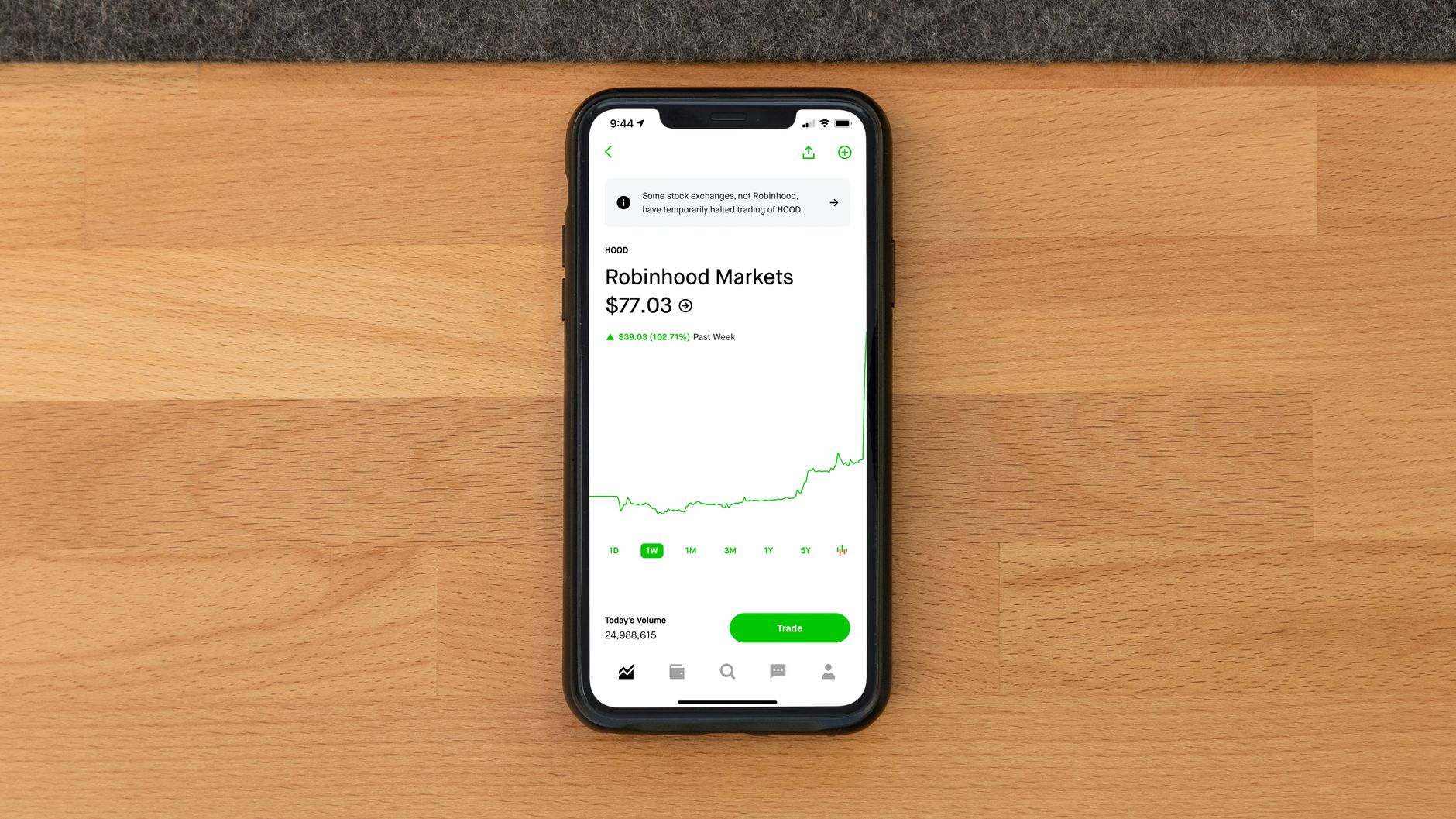
In a bold move that underscores its ambition to secure a more robust financial footing, Robinhood Markets Inc. has announced its plans to raise $2 billion through a convertible bond offering. This decision not only reflects the company's intent to capitalize on the current market climate but also raises questions about the long-term strategy and investor confidence in the trading platform.
Key Takeaways
- Robinhood is seeking $2 billion through a convertible bond offering, marking a significant financial maneuver.
- The move comes amidst a bullish market for raising capital, indicating investor optimism.
- Convertible bonds offer flexibility but come with potential dilution of equity for existing shareholders.
- This capital injection is vital for Robinhood as it navigates competitive pressures and regulatory challenges.
- The decision reflects broader trends in fintech and the investment landscape, emphasizing the importance of liquidity.
What Happened?
Robinhood Markets Inc., a company that has disrupted traditional brokerage models by offering commission-free trading, is in the process of raising $2 billion through a convertible bond offering. This fundraising effort comes at a time when the capital markets are experiencing a surge in activity, with many companies leveraging favorable conditions to bolster their liquidity. The convertible bonds are a hybrid financial instrument that combines features of both debt and equity, allowing investors the option to convert their bonds into shares of the company at a predetermined price.
This announcement follows a series of strategic moves by Robinhood aimed at enhancing its market position. The fresh capital will be pivotal as Robinhood continues to expand its product offerings and invest in technology, especially in a landscape where competition is intensifying with the emergence of new fintech players and traditional financial institutions adapting to digital trends.
Why This Matters
The implications of Robinhood's convertible bond offering extend beyond the company itself, reflecting broader trends within the fintech industry and capital markets. For Robinhood, securing $2 billion provides a critical lifeline to support its growth strategies, especially as it faces pressures from competitors who are also innovating and expanding their service offerings. This capital will enable Robinhood to continue investing in technology, regulatory compliance, and customer acquisition.
Moreover, this move could signal a shift in investor sentiment towards fintech companies. With a growing interest from institutional investors in the digital finance sector, Robinhood's bond offering may pave the way for more similar endeavors from other fintech firms looking to capitalize on favorable market conditions. This could lead to a robust influx of capital into the sector, ultimately benefiting consumers through better services and lower costs.
Background and Context
Founded in 2013, Robinhood has reshaped the landscape of retail trading. By eliminating trading commissions, the platform attracted millions of users, particularly younger investors who were previously disengaged from traditional investment channels. However, the company has faced significant challenges, including regulatory scrutiny, market volatility, and intense competition.
In the wake of the GameStop trading frenzy in early 2021, Robinhood found itself at the center of a media storm, which led to increased regulatory scrutiny and a tarnished reputation. The company's subsequent IPO in July 2021 was met with mixed reviews, reflecting concerns over its business model and revenue sources, primarily reliant on payment for order flow. As Robinhood seeks to diversify its revenue streams and strengthen its balance sheet, the convertible bond offering represents a strategic pivot aimed at instilling confidence among investors.
Expert Analysis
Robinhood's decision to issue $2 billion in convertible bonds can be viewed from multiple angles. On one hand, this move allows the company to raise significant capital without immediately diluting its equity. Convertible bonds are appealing for companies in growth stages, as they offer lower interest rates compared to traditional bonds while providing investors with the potential upside of equity conversion. This hybrid nature can attract a different class of investors, potentially stabilizing Robinhood's stock performance in the short term.
Furthermore, the timing of this offering is particularly shrewd. As interest rates remain relatively low and investor appetite for fintech continues to grow, Robinhood can leverage these factors to minimize borrowing costs and maximize the amount raised. The company is essentially betting on its future growth trajectory, banking on the belief that it can convert this debt into equity at a favorable rate, thus enhancing its long-term financial health.
However, there are inherent risks involved. The dilution of existing shareholders must be carefully managed. If the company’s stock does not perform as expected or if market conditions change unfavorably, the consequences could be severe for both Robinhood and its investors. Furthermore, the regulatory environment for fintech remains uncertain, with ongoing discussions about the need for stricter oversight and transparency in the industry. Potential regulatory changes could impact Robinhood’s business model, making the need for robust capital reserves even more critical.
What This Means for Investors and Users
For investors, Robinhood’s convertible bond offering presents an opportunity to participate in the company's growth while mitigating some risks associated with traditional equity investments. The bonds may offer a stable income stream through interest payments, along with the potential for capital appreciation if the bonds convert into equity at a favorable rate.
For users of the platform, this move could translate into improved services and more robust trading features. The influx of capital can empower Robinhood to invest in technology upgrades, enhance customer support, and broaden its product offerings. Users may also see improvements in the app’s functionality and user experience, which can further solidify their loyalty to the platform.
Frequently Asked Questions
1. What are convertible bonds?
Convertible bonds are debt securities that can be converted into a predetermined number of the company’s shares. They combine the features of a traditional bond, offering regular interest payments, with the potential for equity upside if converted into stock.
2. How does Robinhood plan to use the funds raised from the bond sale?
While specific plans have yet to be fully disclosed, the funds are expected to support growth initiatives, technology enhancements, and potentially regulatory compliance measures, establishing a stronger financial position.
3. What are the risks associated with investing in convertible bonds?
Risks include potential dilution of equity for existing shareholders, interest rate fluctuations, and the company’s operational performance. If Robinhood’s stock does not perform well, bondholders may face challenges upon conversion.
4. How does this bond sale affect Robinhood's market position?
The bond sale is likely to strengthen Robinhood's market position by providing necessary capital for growth and innovation, potentially improving its competitive stance against other fintech companies.
The Road Ahead
Looking ahead, Robinhood's convertible bond offering could be a pivotal moment for the company. Should the capital raised be strategically invested to drive growth and enhance user experience, Robinhood may emerge stronger, better positioned to navigate an increasingly competitive landscape. However, the fintech sector is notorious for its volatility, and the company must remain agile and responsive to both market trends and regulatory changes.
In the larger context, Robinhood’s actions could set a precedent for how fintech companies approach capital raising in the future. As more companies consider similar financial instruments to fund their growth, we may witness an evolution in the funding strategies employed by startups and established firms alike. The success of Robinhood’s bond offering could inspire a new wave of investment in the fintech sector, potentially reshaping the financial landscape for years to come.