Navigating the Future: The Promise and Perils of Robotaxis
The advent of robotaxis has long been heralded as the next great leap in transportation technology, yet they remain fraught with challenges. Companies like Waymo, Tesla, and Baidu are on the frontline, pushing the boundaries of what is possible in autonomous driving. But as they inch closer to realization, the road is marked with both promise and peril.
Key Takeaways
- Robotaxis are advancing but still face significant technological and regulatory hurdles.
- Companies like Waymo, Tesla, and Baidu are investing heavily in this sector, but glitches remain prevalent.
- Public perception and trust in autonomous vehicles are crucial for widespread adoption.
- The regulatory landscape is evolving, affecting the speed of deployment.
- Robotaxis could transform urban mobility, but ethical considerations and safety concerns must be addressed.
Understanding the Robotaxi Landscape
The dream of autonomous vehicles has captured the imagination of technologists and consumers alike for years. Robotaxis are essentially self-driving vehicles that can pick up and drop off passengers without human intervention. This revolutionary technology promises to reshape urban mobility, reduce traffic congestion, and lower carbon emissions.
Currently, companies such as Waymo, Tesla, and Baidu are leading the charge. Waymo, for instance, has been testing its robotaxi services in select cities, while Tesla has integrated self-driving capabilities into its vehicle lineup. Nevertheless, the technology is not without its challenges. Operational glitches, regulatory uncertainties, and public skepticism are hurdles that must be navigated before robotaxis can become a mainstream mode of transport.
Why This Matters
The implications of successful robotaxi deployment extend far beyond mere convenience. If these vehicles can operate safely and efficiently, they could fundamentally alter urban infrastructure, reduce the need for personal car ownership, and create new forms of public transportation. Additionally, they could significantly impact the economy, potentially creating new jobs in tech, engineering, and service sectors while rendering traditional taxi and ride-share models obsolete.
The hurdles facing robotaxi technology are not just technical; they are social and ethical as well. Public trust in autonomous vehicles is paramount. For instance, studies have shown that consumers are more likely to embrace robotaxis if they understand how the technology works and have confidence in its safety. Companies must engage in transparent communication and education to build this trust.
Background and Context
The concept of autonomous vehicles isn't new. Early efforts date back to the 1920s, but significant advancements have only occurred in the last two decades, thanks largely to improvements in artificial intelligence (AI), machine learning, and sensor technologies. The rise of the internet and computing power has enabled real-time data processing, crucial for the functionality of robotaxis.
As of 2023, the global market for autonomous vehicles is projected to reach over $500 billion by 2030, according to various industry analysts. With companies pouring billions into development, the stakes are higher than ever. However, despite substantial progress, numerous incidents of malfunction and unpredictability have raised questions about the reliability of these systems.
Expert Analysis
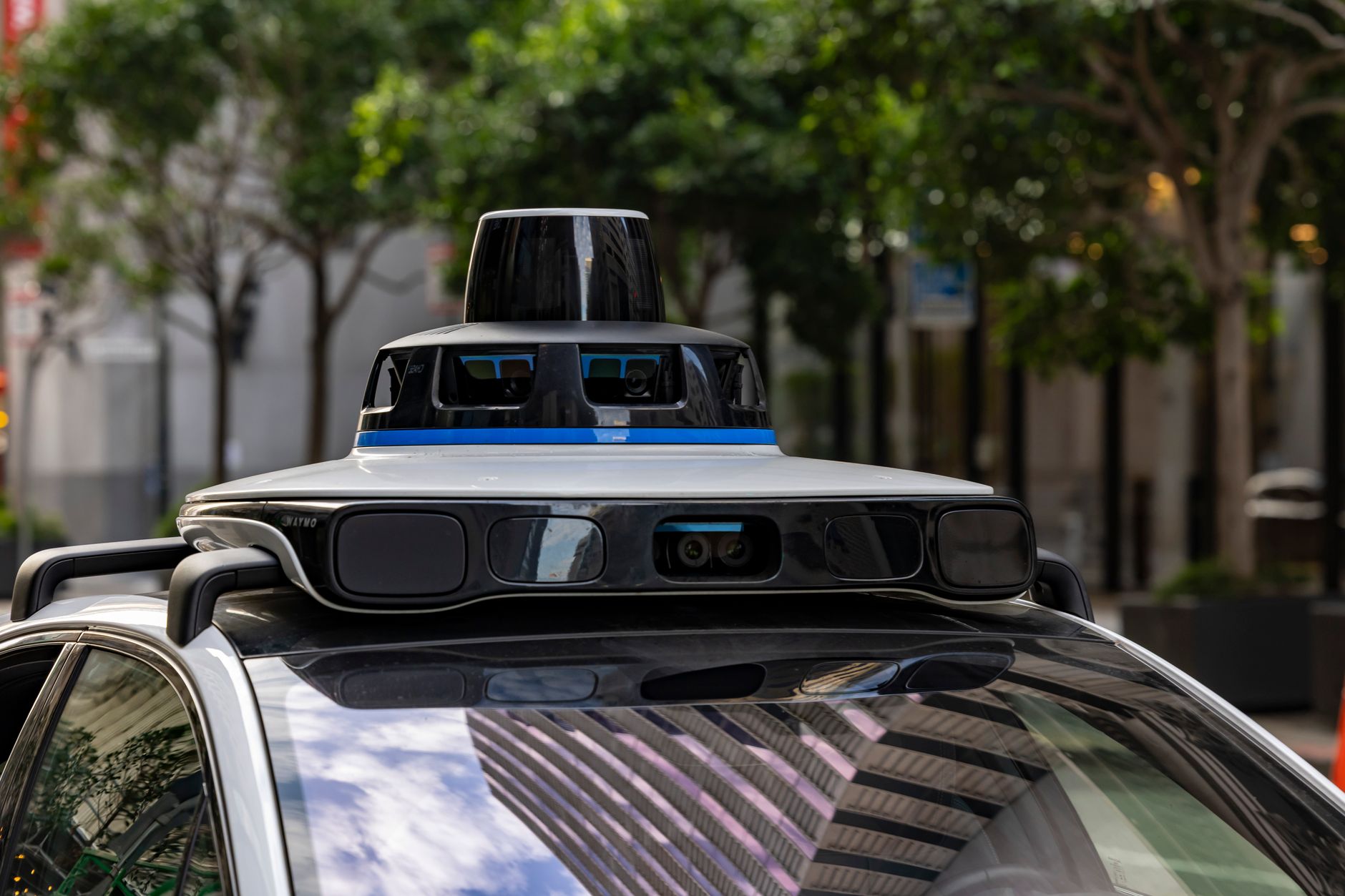
To understand the intricacies of robotaxis, one must delve into both the software and hardware components that make up autonomous driving systems. At the core are advanced algorithms that process data from sensors, cameras, and radar to navigate through urban environments. These systems must interpret complex scenarios, making split-second decisions that could have life-or-death consequences.
Despite the advancements, there are still significant gaps in performance. For instance, while Waymo's vehicles have demonstrated remarkable capabilities in well-mapped urban areas, they struggle in less predictable environments like rural areas or during severe weather conditions. Tesla's approach, relying heavily on camera-based systems, has also encountered challenges, particularly in low-light situations.
Moreover, regulatory bodies are still grappling with how to safely integrate these vehicles into existing transportation networks. In the U.S., the National Highway Traffic Safety Administration (NHTSA) and local governments are establishing guidelines, but the pace of regulatory approval varies widely by state. This fragmented regulatory landscape can hinder technological progress and the rollout of services.
What This Means for Urban Mobility
As cities around the world grapple with issues like congestion and pollution, robotaxis present a compelling solution. If managed correctly, they could reduce the number of vehicles on the road, leading to decreased traffic and improved air quality. However, this potential hinges on the successful addressing of regulatory, technological, and social challenges.
For developers, understanding the needs and concerns of urban populations is critical. Engaging with communities, conducting pilot programs, and utilizing public feedback can help shape the deployment strategies of robotaxis, ensuring that they meet the needs of diverse populations. As robotaxi services become more mainstream, the economic implications are also significant. From new job creation in tech and maintenance to shifts in real estate values as parking spaces become obsolete, the ripple effects will be felt across multiple sectors.
Frequently Asked Questions
What are robotaxis?
Robotaxis are autonomous vehicles designed to pick up and drop off passengers without the need for a human driver. They utilize advanced sensors, AI, and machine learning to navigate roads safely.
How safe are robotaxis?
While robotaxis have shown promise in controlled environments, they still face challenges in unpredictable situations. Continuous testing and improvements are necessary to enhance their safety and reliability.
What impact will robotaxis have on urban infrastructure?
Robotaxis could significantly reduce the need for parking spaces and decrease traffic congestion, prompting cities to rethink their infrastructure and public transportation systems.
Are there any regulations governing robotaxis?
Yes, regulatory frameworks for robotaxis vary by country and region. In the U.S., the NHTSA is working on guidelines, but regulations can differ significantly from one state to another.
The Road Ahead
Looking forward, the next few years will be crucial for the future of robotaxis. As technology advances, it is likely that we will see incremental improvements in safety and functionality. The key to widespread adoption will be a focus on building public trust and establishing robust regulatory frameworks.
Furthermore, collaboration between tech companies, government agencies, and communities will be essential. This collective effort can ensure that robotaxis are not just seen as a technological marvel but as a valuable asset to urban life, capable of improving mobility and enhancing the quality of life for all citizens.