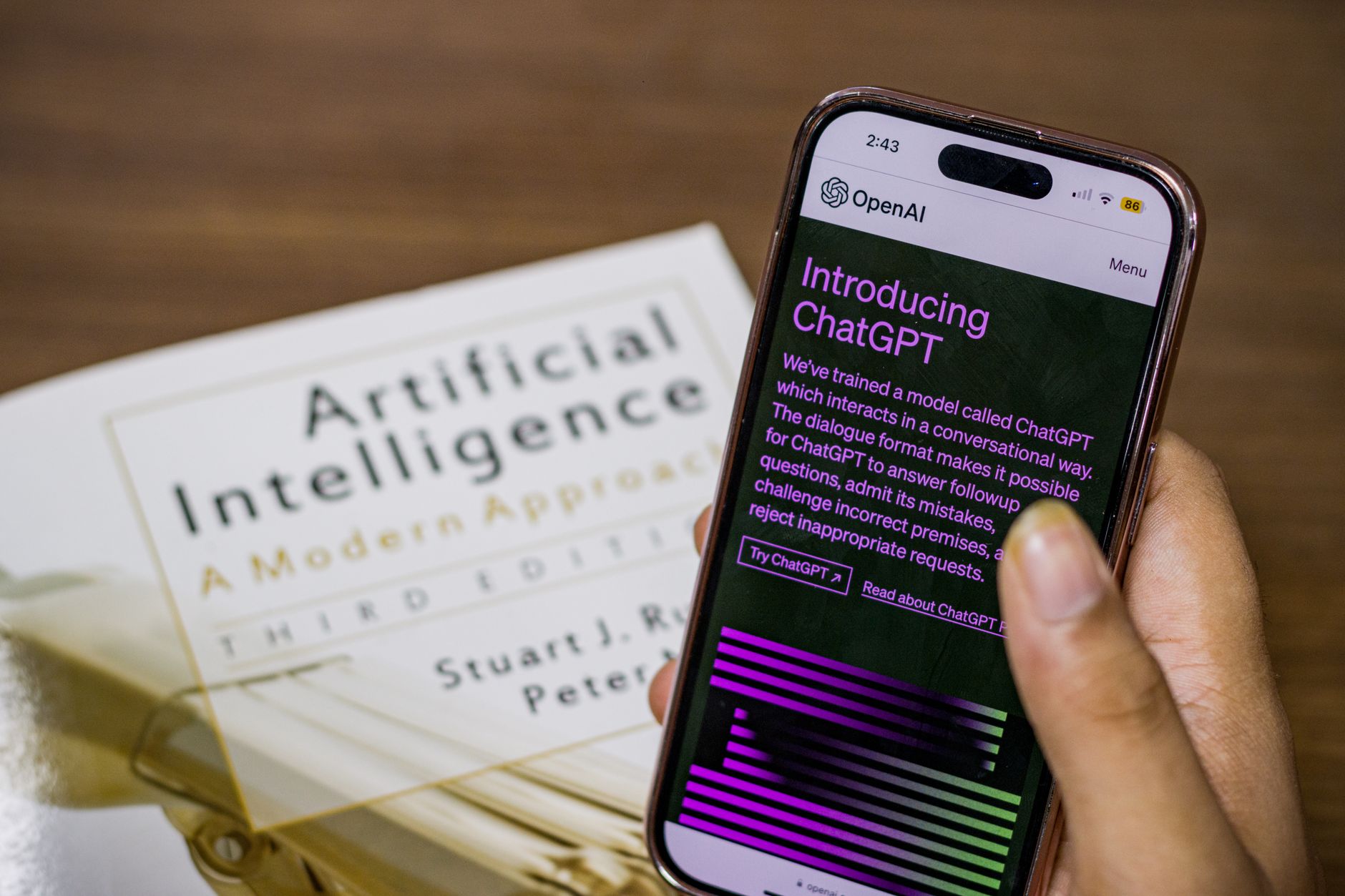
Samsung Electronics Unveils ChatGPT and Codex for Employees Worldwide
Samsung Electronics is taking a bold step into the future of workplace productivity with its recent deployment of ChatGPT Enterprise and Codex across its global employee base. This strategic move signifies not just an investment in cutting-edge AI technology, but also a commitment to enhancing operational efficiency, creativity, and collaboration within the company. By integrating these advanced tools, Samsung aims to empower its workforce, streamline processes, and maintain its competitive edge in the fast-evolving tech landscape.
Key Takeaways
- Samsung Electronics has rolled out ChatGPT Enterprise and Codex to employees worldwide, marking a significant enterprise AI deployment.
- The integration aims to enhance productivity, creativity, and collaboration among employees.
- This initiative reflects a broader trend of AI adoption across industries, spotlighting the potential for AI to transform workplace dynamics.
- Samsung joins other major corporations in leveraging AI tools, setting a precedent for future technological integration in workplaces.
- The deployment is expected to yield measurable improvements in operational efficiency and innovation.
Samsung's AI Deployment: What Happened
In a landmark announcement, Samsung Electronics revealed the deployment of ChatGPT Enterprise and Codex to its employees, solidifying its position as a leader in AI integration within the corporate sector. This rollout is one of OpenAI’s largest enterprise implementations, showcasing Samsung's commitment to leveraging AI technologies to enhance productivity and operational efficiency.
ChatGPT Enterprise, designed for business applications, allows employees to harness the power of natural language processing for various tasks, including customer support, project management, and content generation. Codex, on the other hand, serves as an AI programming assistant, helping developers write code more efficiently by converting natural language requests into functional programming code. The combination of these tools is expected to facilitate seamless communication and foster innovation across departments.
Why This Matters
The significance of Samsung's deployment of ChatGPT and Codex extends beyond its own corporate walls. As one of the leading technology firms globally, Samsung's embrace of AI tools signals a pivotal shift in how corporations view and utilize artificial intelligence. In an era where digital transformation is crucial, this move could set a benchmark for other companies aiming to boost productivity through advanced technologies.
This deployment also highlights a growing trend among large enterprises to integrate AI into their operations. More companies are recognizing the potential of AI to automate mundane tasks, enhance decision-making processes, and even foster creativity. By providing employees with sophisticated AI tools, Samsung not only enhances their capabilities but also positions itself strategically against competitors in the tech space.
Background and Context
The rise of AI technologies, particularly in the workplace, has been a game changer for numerous industries. Companies have increasingly turned to AI solutions to streamline processes, increase efficiency, and foster innovation. The advent of large language models (LLMs) like ChatGPT has opened up new avenues for interaction and creativity in professional settings.
Historically, AI adoption in the enterprise sector has been gradual, with initial implementations focusing on data analysis and customer service automation. However, recent advances in AI capabilities have significantly broadened the scope of applications. The integration of LLMs and AI programming assistants like Codex represents the next evolutionary step, where AI not only supports but actively enhances human creativity and productivity.
Expert Analysis
The deployment of ChatGPT and Codex at Samsung represents a significant evolution in how AI is perceived and utilized within corporate frameworks. By providing employees with tools that facilitate both communication and development, Samsung is empowering its workforce to tackle challenges with greater agility and creativity.
From an operational standpoint, the integration of these AI tools can lead to substantial improvements in efficiency. For instance, customer service teams can use ChatGPT to handle inquiries more swiftly and accurately, freeing up human resources for more complex problems. Similarly, developers utilizing Codex can reduce the time spent on coding tasks, allowing them to focus on more strategic initiatives.
Moreover, the cultural implications of such a deployment cannot be understated. As employees become accustomed to utilizing AI in their daily tasks, a shift in workplace dynamics is likely to occur. This shift could foster a more innovative environment where team members feel encouraged to experiment with new ideas and workflows, ultimately driving the company forward.
What This Means for Employees
The rollout of ChatGPT and Codex is poised to have a profound impact on employees at Samsung. For many, these tools will serve as valuable assistants, enhancing their ability to perform tasks and collaborate effectively. The potential for increased productivity is significant; employees can expect to complete projects faster and with fewer resources.
Furthermore, the introduction of AI tools will likely spark a shift in skill requirements across various roles. As the workforce adapts to these technologies, there will be a growing emphasis on digital literacy and understanding AI capabilities. Employees who embrace this change may find themselves better positioned for career advancement within the company.
Frequently Asked Questions
How will ChatGPT and Codex improve employee productivity?
ChatGPT can handle routine inquiries and generate content quickly, while Codex streamlines coding tasks by converting natural language into code, allowing employees to focus on higher-level problems.
What support will Samsung provide to employees adapting to these AI tools?
Samsung is expected to offer training and resources to help employees understand and effectively use ChatGPT and Codex, ensuring a smooth transition and maximizing the benefits of these technologies.
Are there any concerns about job displacement due to AI?
While AI may automate certain tasks, the goal is to augment human capabilities rather than replace them. Employees will still be essential for strategic decision-making, creativity, and complex problem-solving.
What other companies are adopting similar AI technologies?
Numerous corporations across various sectors are integrating AI tools to enhance productivity, including major players in technology, finance, and healthcare.
The Road Ahead
As Samsung Electronics embarks on this ambitious AI integration journey, the implications for the industry at large are profound. The success of ChatGPT and Codex could encourage other companies to explore similar deployments, potentially leading to a widespread shift in workplace dynamics across sectors. The ability to leverage AI effectively will become a critical differentiator in the competitive landscape, pushing companies to innovate and adapt.
Looking forward, Samsung's initiative could also pave the way for further advancements in AI technology. As organizations increasingly rely on AI for everyday tasks, there will be heightened demand for more sophisticated tools that can handle complex scenarios and provide even greater support for employees. This evolution will not only enhance corporate productivity but could also redefine the nature of work itself.